China’s policy banks rush to issue bonds before tax deadline
The state-run financial institutions offer support to their respective industries, namely agriculture, infrastructure, and foreign trade, under the supervision of the central government
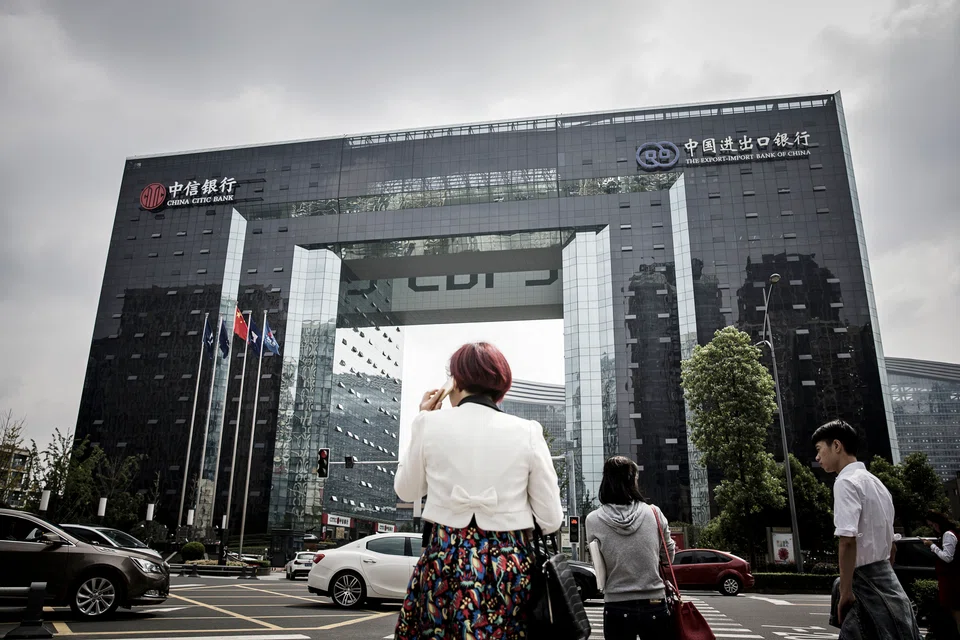
[BEIJING] China’s policy banks have embarked on a bond-issuance spree in an effort to lock in lower yields before the reinstatement of a value-added tax (VAT) on interest income later this week.
Agricultural Development Bank of China is offering four notes with maturities of up to 10 years, while Export-Import Bank of China will price two securities with the longest due in February 2031. That marks the busiest day of new issuance since 2012 by the policy banks, lenders set up by the government to promote its policy objectives, based on data compiled by Bloomberg.
The Ministry of Finance said last week that it would reinstate VAT on interest income from new debt issued by the government and financial firms from Aug 8, ending an exemption in place since the 1990s. Bonds sold before that date will be exempt, as will later reopenings of these notes. The unexpected return of the tax has fuelled concern that investors will demand higher yields to cover their additional costs.
The issuers are trying to beat the new tax rule in a likely effort to save on their financing costs, especially as the reopening of previously issued bonds will continue to enjoy a tax-exemption, said Zhou Guannan, an analyst at Huachuang Securities in Beijing.
China’s three policy banks, Agricultural Development Bank, China Development Bank, and Export-Import Bank, are the largest issuers in the nation’s domestic bond market after the finance ministry. The state-run financial institutions offer support to their respective industries, namely agriculture, infrastructure, and foreign trade, under the supervision of the central government. Their bonds are considered to be quasi-sovereign by investors.
The policy banks have grown increasingly reliant on the bond market for funding in recent years as yields have tumbled. The market’s seemingly insatiable demand for debt is now being challenged by the increase in taxation as well as the recovery of local stocks, and optimism towards Beijing’s campaign to curb deflation that is encouraging investors to seek higher-yielding assets.
SEE ALSO



While the latest bond sales will buy the issuers some time to contain the impact of the new taxes, “going forward, there isn’t much these banks can do to avoid higher costs”, said Zhaopeng Xing, a senior strategist at Australia & New Zealand Banking Group in Shanghai.
With newly issued bond yields likely to edge up across the curve, the bearish outlook may affect trading sentiment and weigh on demand for debt issued by policy banks, he said. BLOOMBERG
Decoding Asia newsletter: your guide to navigating Asia in a new global order. Sign up here to get Decoding Asia newsletter. Delivered to your inbox. Free.
Share with us your feedback on BT's products and services