

China’s risky shadow banks back in spotlight after Xi’s debt crackdown
Bridging the funding gap has become more urgent as bond issuance by the special financial vehicles has fallen to its lowest level since 2020
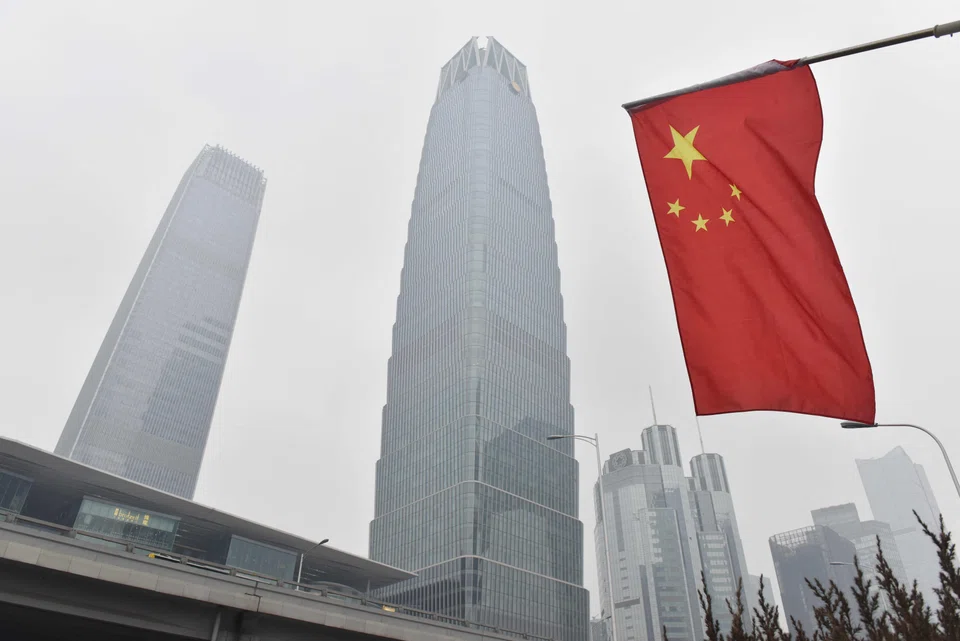
[BEIJING] China’s crackdown on borrowing by local governments is forcing state-run entities in even some of the wealthiest provinces to tap costly credit from non-bank lenders, a stopgap that’s building up risks in an opaque corner of the financial system.
The borrowing marks a return of China’s shadow banking market, which is more loosely regulated than traditional lenders and had been reined in over the past few years in a bid to reduce risk.
Since September, industrial investment arms and financing platforms owned by local governments in provinces including Shandong have borrowed billions of US dollars in total from trust companies and leasing firms, according to sources familiar with the matter.
The rates charged are 8 per cent or higher, more than triple the cost of borrowing in the bond market, the sources said, asking not to be identified discussing private information. Financial institutions that make up China’s shadow banking system are willing to extend the funding partly because they are short of assets in a low-rate environment.
The increased demand reflects the fallout from Beijing’s campaign to keep provinces from amassing debt through state-owned companies known as local government financing vehicles, or LGFVs. The effort has choked off their access to cheaper funding such as regular bank lending and bond sales, contributing to a pullback of investment in the world’s second-biggest economy.
“Platforms in rich regions wouldn’t have to resort to such expensive funding should fiscal discipline be less strict,” said Jacqueline Rong, chief China economist at BNP Paribas. “The campaign to resolve hidden debt and the fiscal discipline might be a key reason for the deep slump in infrastructure investment.”
China’s Ministry of Finance, the National Financial Regulatory Administration and Shandong’s government press service did not respond to Bloomberg inquiries seeking comment.
As interest payments pile up and with expenses of settling the cost of projects coming due in the fourth quarter, the firms have little choice but to refinance at higher rates to keep their businesses running and avert default, said the sources.
Bridging the funding gap has become more urgent as bond issuance by the special financial vehicles has fallen to its lowest level since 2020.



Getting an accurate gauge on shadow banking has become harder since China’s trust association stopped releasing figures for the industry three years ago.
Fitch Ratings estimates total LGFV debt at more than 60 trillion yuan (S$11 trillion), with bank loans and bonds accounting for around 90 per cent. The remainder has mostly been accumulated from “non-standard borrowing”, a financing channel that represents credit extended by shadow banks.
The resurgence in shadow loans is a setback for China’s 10 trillion-yuan program to swap hidden debt onto local government books. It follows what Chinese regulators have hailed as an initial victory in ridding state finances of liabilities built up by LGFVs but kept off official public budgets.
Pan Gongsheng, governor of the People’s Bank of China, has said that as of last September, the number of financing platforms nationwide and the outstanding scale of operating financial debt had declined by 71 and 62 per cent, respectively, from the end of March 2023.
The government has also repeatedly said it will ensure no new off-balance-sheet borrowing, and just in October issued new rules aimed at further tightening non-standard financing for LGFVs.
On Tuesday, Finance Minister Lan Fo’an vowed in an article published in the official People’s Daily to prevent new hidden debt with “iron discipline” and stem the practice of accumulating new debts while clearing old ones. BLOOMBERG
Decoding Asia newsletter: your guide to navigating Asia in a new global order. Sign up here to get Decoding Asia newsletter. Delivered to your inbox. Free.
Share with us your feedback on BT's products and services
TRENDING NOW
Companies still in search of AI use cases with worthwhile ROI, says Broadcom’s CEO

Malaysian king buys stake in Singapore-listed mining firm expanding into rare earths

Once staunchly pro-China, Malaysian Chinese businesses are now distancing themselves from Beijing

Singapore’s wealth management success should extend to everyday families

