China’s US$1.6 trillion fund rekindles ties with US money managers
As tensions between the superpowers thaw, China Investment Corporation has held talks in recent weeks with firms
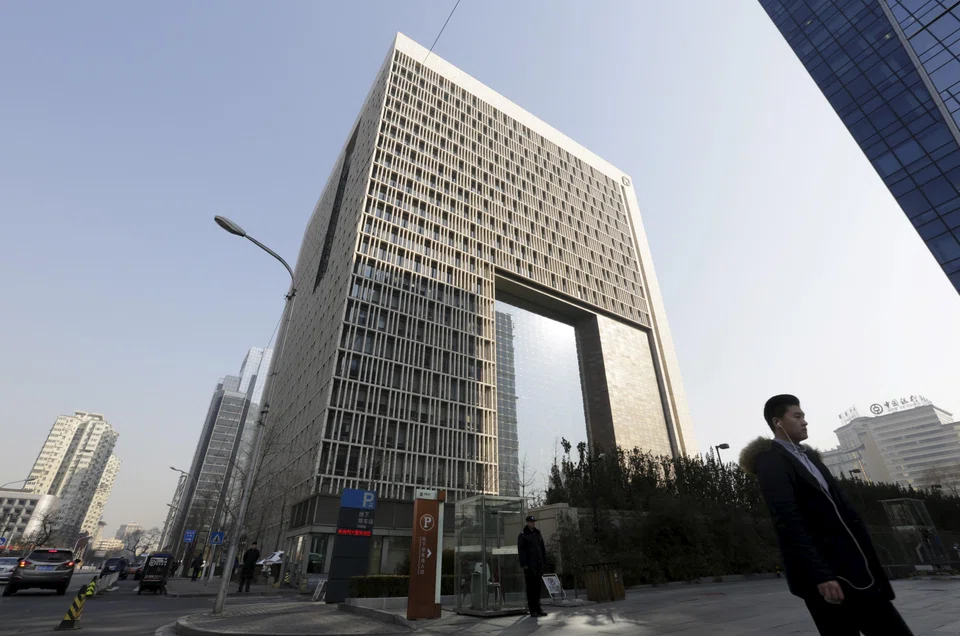
[NEW YORK] China’s US$1.6 trillion sovereign wealth fund, long one of the biggest backers of private equity firms in the world, is considering new allocations to US money managers just months after reducing its exposure to the world’s biggest economy.
As tensions between the superpowers thaw, China Investment Corporation (CIC) has held talks in recent weeks with firms, including Blackstone and TPG, according to sources familiar with the matter. Some of the discussions were paused after the US launched its attacks on Iran last month, engulfing one of China’s trading partners in war, the sources said.
There’s no assurance the fund will ultimately strike a deal with any of the US-based firms or that the money would be channelled towards investment opportunities in the US. Representatives for CIC did not reply to an e-mailed request seeking comment, while spokespeople for Blackstone and TPG declined to comment.
The talks come just a few months after CIC unloaded about US$1 billion in funds run by several managers, including Carlyle. The sale was part of a broader retreat from the world’s largest economy, with CIC caught in the crosshairs as tensions with the US mounted. The fund has said in the past that its investment decisions are based on business and market considerations.
The renewed discussions are the latest sign that some of the world’s largest sovereign funds have turned into a critical lever in geopolitical statecraft because their growing pools of capital can be directed as investments in friendly international markets to signal economic and political cooperation.
Once a major player on Wall Street with big stakes in Blackstone and Morgan Stanley, CIC’s return would be a welcome addition for managers that are seeking new clients and spending longer times fundraising as higher interest rates and meagre returns curb enthusiasm for private equity.
These international pools, including those from the likes of Middle Eastern sovereign wealth funds and Singapore’s GIC, have become a critical source of capital for US firms that struggled with exits in the last four years. US public pension funds, another huge investor base, pulled back from making fresh commitments as profits distributed to them dropped sharply.
CIC’s decision to back away from the US market last year was seen as a direct response to the fraying ties between the world’s two largest economies and Beijing’s desire to rein in its massive fund. CIC sold off its stakes in some of the largest asset managers, including Hellman & Friedman, and Welsh, Carson, Anderson & Stowe. It also pulled back from committing fresh US dollars to US fund managers.
The US and China have seesawed between decoupling and an economic thaw, and the eventual outcome of that could have a lasting impact on global markets. US President Donald Trump’s tariff blitz last year strained ties between the two countries.


Trump requested a delay last week to his summit with Chinese leader Xi Jinping to stay in Washington and monitor military operations as the US-Israeli attack on Iran entered its third week.
Chinese and US executives had been frustrated with the lack of preparation from the Trump team heading into the summit, and the war in the Middle East against one of its regional allies would have made it harder for Beijing to align with the US.
That has also sparked fears that signs of CIC’s interest in expanding its US bets could be nipped again, sources familiar said. BLOOMBERG
Decoding Asia newsletter: your guide to navigating Asia in a new global order. Sign up here to get Decoding Asia newsletter. Delivered to your inbox. Free.
Share with us your feedback on BT's products and services