China's yuan snaps 6 weeks of losses, on course for best week in 17 years
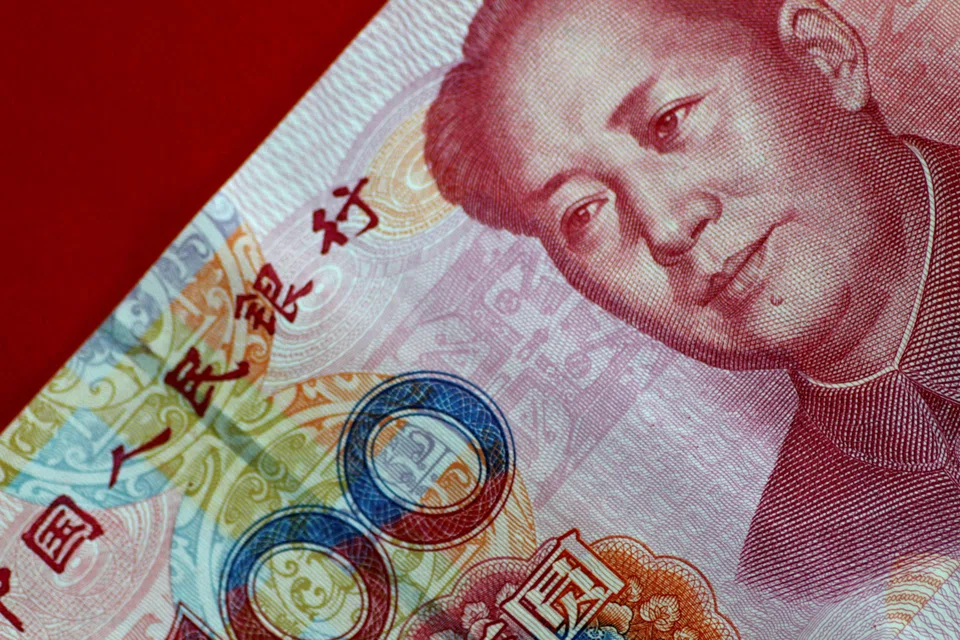
CHINA'S yuan bounced on Friday (May 20) to finish the domestic session at a two-week high against the US dollar, on track for its biggest weekly gain in 17 years.
Broad US dollar weakness in global markets, along with strong capital inflows, helped the yuan to snap 6 straight weeks of losses, despite concern over the heavy economic blow from prolonged Covid-19 lockdowns.
The onshore yuan finished the domestic trading session at 6.6740 per US dollar, the strongest such close since May 5, up 367 pips or 0.55 per cent from the previous late night close of 6.7107.
If the yuan sustains those gains into the late night close, it would have gained 1.74 per cent against the US dollar for the week, its the best such performance since 2005, when China revalued the currency and abandoned a decade-old peg against the greenback.
Traders attributed the strong gains on Friday to heavy capital inflows. Foreign investors bought a net 18.2 billion yuan (S$3.8 billion) worth of mainland shares through Stock Connect Scheme,, the biggest daily inflow since Dec 9, 2021.
A breach of the closely watched 6.7 per US dollar level also prompted more demand for the yuan, amplifying gains, a trader at a foreign bank said.
Prior to the market opening, the People's Bank of China (PBOC) set the midpoint rate at 6.7487 per US dollar, 37 pips firmer than the previous fix 6.7524.
The yuan was largely unfazed by China's decision to cut its benchmark reference rate for mortgages on Friday by an unexpectedly wide margin, as Beijing seeks to revive the ailing housing sector and boost the cooling economy. But battered Chinese and Asian stocks saw a boost on hopes the move signalled more stimulus was on its way.
The US dollar index, which measures it against 6 major rivals, was headed for its worst week since early February, weighed down by a retreat in Treasury yields and fatigue after the currency's breathless 10 per cent, 14-week surge.
The yuan had plunged more than 6 per cent since late April, sudden and deep losses for a currency that has long been tightly managed and usually moves in thin ranges.
But currency traders said company dividend payments could soon to cap this week's gains.
Offshore-listed Chinese firms usually have to buy US dollars to pay overseas shareholders from June to August, and such demand could pile downside pressure on the yuan. Widespread Covid-19 lockdowns in many cities including Shanghai has delayed some of those transactions.
"Speaking from the short-term trend, the yuan's depreciation momentum has moderated," said Eva Yi, chief economist at Huatai Securities.
Yi added that the yuan's performance would depend on the domestic Covid-19 situation, changes to economic growth prospects, and financial risks.
The offshore yuan was trading at 6.6855 per US dollar around 0830 GMT. REUTERS
Decoding Asia newsletter: your guide to navigating Asia in a new global order. Sign up here to get Decoding Asia newsletter. Delivered to your inbox. Free.
Share with us your feedback on BT's products and services