

Citi acquisition to raise proportion of higher-margin unsecured lending in UOB’s consumer business

Tan Nai Lun
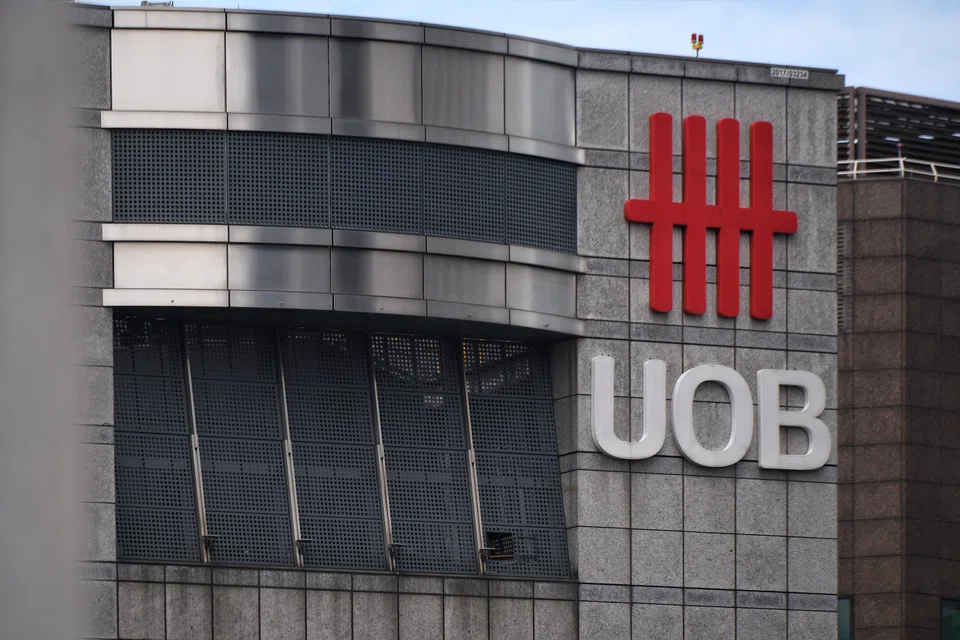
UOB’S consumer business could enjoy a lift in margins with the addition of the consumer portfolio acquired from Citi, which is skewed towards unsecured lending and credit cards, said a senior executive at the bank.
The newly acquired Citi consumer portfolio will likely double contributions from the unsecured lending business by the end of 2023, and grow income contributions to about 27 per cent to 30 per cent, said Jacquelyn Tan, UOB’s head of group personal financial services.
Unsecured lending is a “high net interest margin, high return on equity type of business”, she added.
Secured lending will still make up more than 85 per cent of UOB’s assets, as unsecured loans typically do not have big balance sheet footprints.
Some 80 per cent of the bank’s consumer banking assets will be in mortgage loans, which is part of its secured lending businesses.
This means the lender’s risk appetite is “very measured”, Tan said, adding that the client target segment of the Citi portfolio matched UOB’s in Malaysia, Thailand, Indonesia and Vietnam: upper-mass market and above.
UOB announced the acquisition of the portfolio comprising unsecured lending, secured lending, wealth management and retail deposits in 2022.
The deal is expected to add S$1 billion in revenue in 2023. The lender has completed the acquisition for the Malaysia, Thailand and Vietnam markets. Completion for Indonesia is expected by end-2023.
Post acquisition, 40 per cent of the bank’s consumer business income will come from the region and 60 per cent from Singapore. In comparison, the pre-acquisition income mix was 30 per cent from the region and 70 per cent from Singapore.
Tan said UOB’s goal in the region is to complement local banks, and be the top foreign bank in each of the markets.
She noted a shift from globalisation to regionalisation in South-east Asia, which suggests that regional banks may have an upper hand over global banks in some markets: “We believe that to compete and to serve the community well in the regional markets that we operate in, we need to be sizeable and to be the largest foreign bank in those markets.”
UOB plans to roll out cross-regional offerings and partnerships as it grows across the region.
Tan expects Indonesia and Vietnam to have the biggest growth potential by percentage growth, while Thailand and Malaysia are seen as bigger contributors to the bank’s income currently.
Shares of UOB closed down 0.2 per cent at S$28.12 on Wednesday (May 10).






