

Coinbase logs second straight quarterly loss as crypto trading momentum fades
Digital assets have lost their portfolio-hedge appeal, increasingly tracking broader financial markets and curbing cross-asset inflows
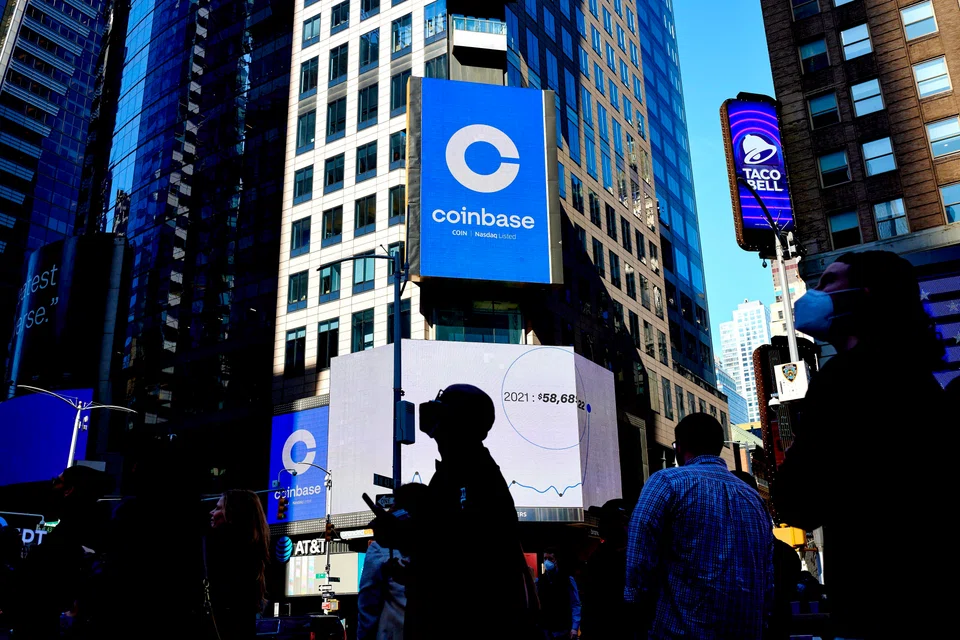
[BENGALURU] Cryptocurrency exchange Coinbase Global on Thursday (May 7) recorded a second consecutive quarter of losses, as a crypto-driven market volatility sapped the company’s trading volumes during a period of broad digital-asset sell-off.
Shares of the company, which posted a surprise quarterly loss, were down about 5 per cent in extended trading. They have lost nearly 15 per cent of their value so far in 2026.
Trading volumes on digital-asset exchanges softened at the start of 2026, as waning momentum in crypto prices, tighter financial conditions and lingering macroeconomic uncertainty dampened appetite for risk, triggering a pullback following a rally to record highs in October last year.
Rising Middle East tensions also drove a broad risk-off shift in global markets, pushing investors into safe-haven assets.
“Macro conditions were genuinely tough. Total crypto market cap and total crypto trading volume were both down more than 20 per cent quarter-over-quarter,” said chief financial officer Alesia Haas on the company’s earnings call.
Coinbase’s transaction revenue slumped about 40 per cent to US$756 million from a year earlier.
Digital assets have lost their portfolio-hedge appeal, increasingly tracking broader financial markets and curbing cross-asset inflows, which has made it tougher for firms suchas Coinbase to generate counter-cyclical trading gains in downturns.
Revenue from the exchange’s subscription and services unit, which houses businesses outside of trading, fell 13.5 per cent to US$583.5 million in the first quarter of the year.
Subscriptions-related income faces pressure in the current economic uncertainty, as risk-averse investors cut back on discretionary crypto exposure.




A tough 2026
Earlier this week, Coinbase cut about 700 jobs, or about 14 per cent of its global workforce, in a move to trim costs amid the crypto market volatility and in order to reposition its business for the artificial intelligence era.
Analysts had said that the job cuts reflect underperformance of the company’s shares and a drop in trading volumes. CEO Brian Armstrong added in a blog post that current market conditions have required the firm to streamline its operations and “emerge leaner” ahead of the next crypto cycle.
Robinhood Markets, a much smaller firm in terms of the number of token offerings it holds compared to Coinbase, missed estimates for quarterly revenue and profit last month, as softer trading volumes weighed on results.
Total revenue at Coinbase fell to US$1.43 billion from US$2.03 billion a year earlier.
The company reported a net loss of US$394.1 million, or US$1.49 per share, for the quarter ended Mar 31, compared to a profit of US$65.6 million, or 24 US cents per share, a year earlier.
Analysts were expecting a profit of 27 US cents per share, according to estimates compiled by LSEG.
Clarity by summer end
“On Clarity, we are confident that the bill is going to head to markup this month, with a floor vote to follow in early summer. All that translates to our confidence that we are going to see a signed piece of legislation by the end of the summer,” said chief legal officer Paul Grewal.
“All of this timing follows from real progress that we have seen a particular issue of interest to many, which is the rewards question.”
The latest draft of the Clarity Act, released in late March, said that stablecoin yield would not allow rewards in balances, a report from CoinDesk showed, citing a source familiar with the draft.
The report added that the latest version would grant rewards programmes on a narrow basis as long as they do not resemble the interest from bank deposits in any way.
The Clarity Act, which was introduced in May last year, was created to establish a clear regulatory framework for digital assets and define oversight responsibilities for the US crypto industry. REUTERS
Decoding Asia newsletter: your guide to navigating Asia in a new global order. Sign up here to get Decoding Asia newsletter. Delivered to your inbox. Free.
Share with us your feedback on BT's products and services
TRENDING NOW

GCash parent Mynt rises in market debut after South-east Asia’s top 2026 IPO

In the age of AI, what is a university education for?
Singapore to use ‘every legal and regulatory lever’ against companies linked to haze: Shanmugam
‘IPOs are not the only vehicle’: KKR heads for record exits even as firms stay private for longer

