

Credit Suisse CEO hints at asset management spin-off after Greensill scandal
 Add BT as a preferred source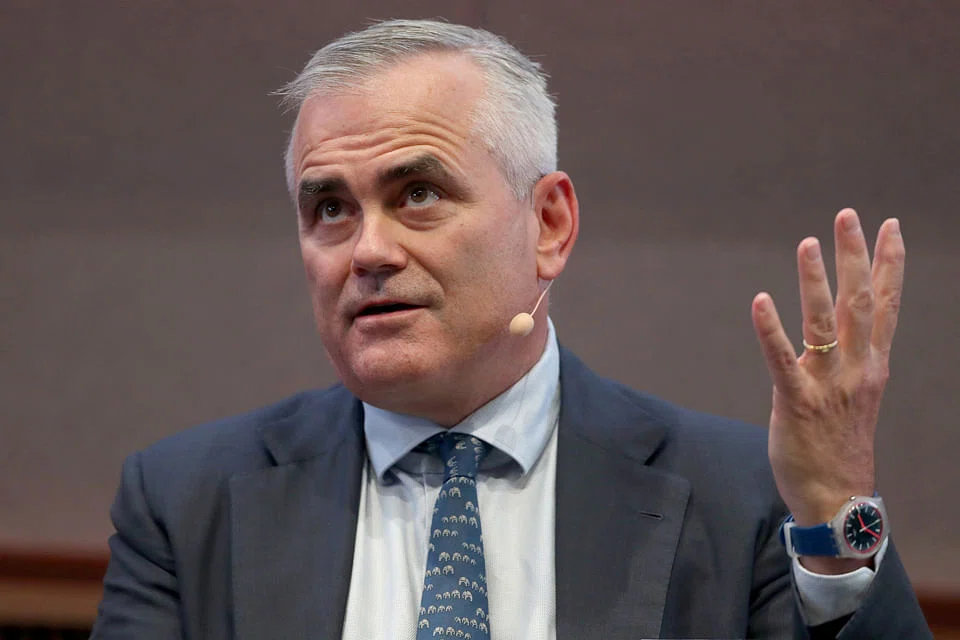
DeeperDive is a beta AI feature. Refer to full articles for the facts.
Zurich
CREDIT Suisse CEO Thomas Gottstein signalled he would consider further separating the asset management unit from the rest of the bank after the Greensill Capital collapse, as he steps up efforts to limit the reputational damage from the supply-chain finance scandal.
Making asset management an independent entity is "potentially part of the plan," Mr Gottstein said in a Bloomberg Television interview, days after the bank replaced the head of the business and removed it from direct oversight of the wealth management unit.
"Having a holding company around that could be something we are pursuing," he said, adding that the Greensill affair for Credit Suisse is primarily an asset management problem.
The Swiss bank is contending with the worst crisis since a spying scandal a year ago, after it was forced to suspend US$10 billion of supply-chain finance funds managed with Greensill over concerns about their valuation.
As the fallout deepens, the bank is grappling with litigation threats from investors, potential financial losses and regulatory scrutiny. It is now turning to ex-UBS executive Ulrich Koerner to revive the asset management unit, replacing 30-year veteran Eric Varvel.
Navigate Asia in
a new global order
Get the insights delivered to your inbox.
"Clearly, Greensill is a distraction and something that we are working through now but the operational results that we have in the first two months show we are on the right path," Mr Gottstein said, speaking ahead of the bank's Asian Investment Conference.
Despite the turmoil, the bank had its best start to a year in a decade, with revenue at the securities unit rising more than 50 per cent through February.
Mr Gottstein's comments indicate that the steps taken just last week to rein in the Greensill crisis still may not be enough.
In addition to replacing Mr Varvel, it has suspended senior staff bonuses and announced an investigation into its exposure to Lex Greensill's failed trade finance empire.
Asked if responsibility at the senior level stopped with the head of asset management, Mr Gottstein said any further decisions would be subject to the board's review.
Clients from rich individuals in the Middle East to Swiss pension funds are expressing their anger over potential investment losses, threatening key relationships far beyond the asset management business.
The funds offered by asset managers were touted as among the safest going. But they contained investments tied to future sales of Greensill's borrowers, way beyond the traditional preserve of supply-chain finance. Investors face losses as those funds are liquidated, with some considering litigation.
The bank has so far returned about US$3.1 billion to investors and said it has an additional US$1.25 billion in cash across the four funds. The lender also made a loan of about US$140 million to Greensill late last year, of which US$50 million has been recovered.
Mr Gottstein said he was "100 per cent focused now to get as much back in terms of cash to our investors."
Mr Koerner, whom Mr Gottstein said was the "exact right person" to strengthen the asset manager's lines of defence, had at previous employer UBS Group AG explored merging the asset management business with Deutsche Bank's DWS. Those 2019 talks stalled over disagreement on who would retain majority control.
The Greensill debacle is the latest in a string of mishaps at the asset manager, which until the decisions of last week was housed inside the much bigger international wealth management business. Mr Gottstein said he has long had doubts about the logic of that arrangement.
The Greensill issues, he said, accelerated his decision to split asset management into its own division with its own "first and second line divisional support that it needs and warrants."
Beyond Greensill, Mr Gottstein said the bank was focusing on growing in Asia. The region already accounts for 20 per cent of the bank's revenues and Credit Suisse is looking for 100 per cent ownership of its joint ventures in China as well as to acquire the required licences to provide advice to China's wealthiest.
The bank is planning to triple its headcount in China over the next three years. Profit in the Asia-Pacific region rose 24 per cent last year. BLOOMBERG
Decoding Asia newsletter: your guide to navigating Asia in a new global order. Sign up here to get Decoding Asia newsletter. Delivered to your inbox. Free.
Share with us your feedback on BT's products and services






