

Danske 'has hurt Denmark's national reputation'
Financial regulatory body: Money-laundering probe may make it harder for banks to raise funding
 Add BT as a preferred source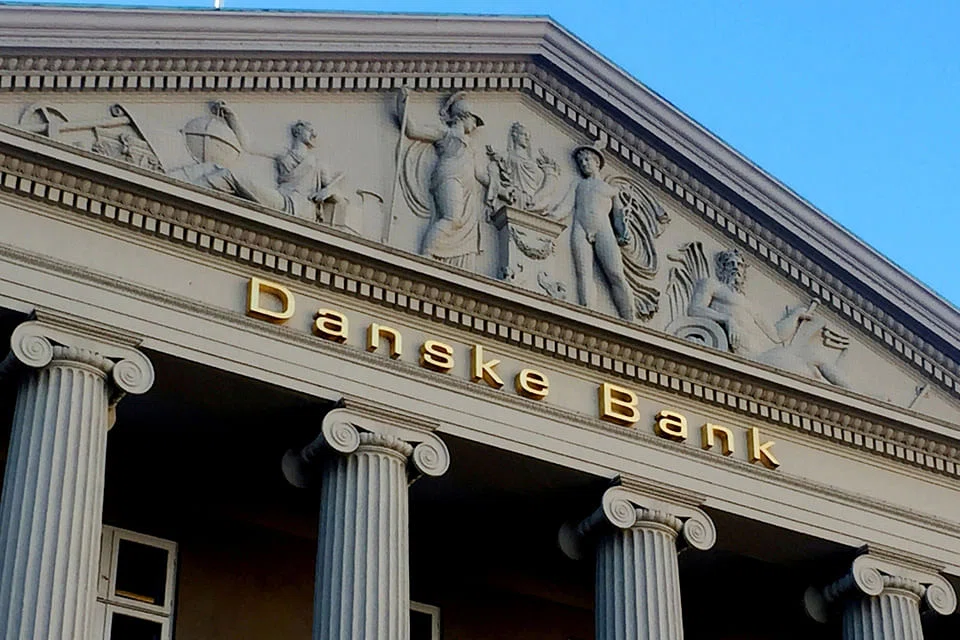
DeeperDive is a beta AI feature. Refer to full articles for the facts.
Copenhagen
DENMARK'S status as one of the world's least-corrupt places has been undermined by the money laundering scandal engulfing its biggest bank, says the country's financial regulator.
In a report examining risks facing Danish banks, the Financial Supervisory Authority (FSA) in Copenhagen on Tuesday singled out the damage done by Danske Bank for its role in changing international perceptions around the Nordic country.
Danske is under criminal investigation in several jurisdictions, including in the US, amid accusations that an Estonian branch became a European hub for money launderers from the former Soviet Union. The bank has admitted that a large chunk of about US$230 billion that flowed through the branch until as recently as 2015 probably needs to be treated as illicit in origin.
A recent study found that Danske is outdone only by Lehman Brothers when it comes to banks around the world with the worst reputations. In the 10th annual "Trust Meltdown" report by Media Tenor, Danske ranked second-lowest. Lehman Brothers failed in September 2008, triggering widespread panic as the event became a seminal moment in the global financial crisis that ensued.
Denmark's reputation "for being one of the least corrupt countries in the world has suffered significant damage as a result of the Danske Bank case," the FSA said in its report on Tuesday. The bank has assets that are roughly 11/2 times Denmark's total gross domestic product, making it the country's most systemically important bank.
Navigate Asia in
a new global order
Get the insights delivered to your inbox.
The biggest opposition party in Denmark's parliament, the Social Democrats, on Tuesday introduced a proposal seeking to punish the financial sector with levies that will help finance an early-retirement plan, mainly for blue-collar workers. The party, which is leading in most opinion polls ahead of general election later this year, wants to add 1.5 billion kroner (S$312.7 million) of annual taxes to the country's banks.
The reputational damage that the Danske case has brought with it hasn't yet translated into higher funding costs for most of the country's other banks, but another scandal could change that, the FSA warned. Banks might then find it harder to raise funding and to do financial transactions with foreign counter-parties, it said.
Danske had to pay investors a premium to sell its bonds earlier this month, while its market value plunged by about 47 per cent last year after shareholders baulked at the steady flow of bad news. The bank faces hefty fines in connection with the criminal investigations, and investors in the US have filed a class-action law suit, amid threats that more legal action will follow. "The money laundering case at Danske underscores the importance of effective control systems," the FSA said. Otherwise, the consequences can be considerable, it said. BLOOMBERG
Share with us your feedback on BT's products and services
TRENDING NOW

Shelving S$5 billion office redevelopment plan proved ‘wise’ as geopolitical risks mount: OCBC chairman

Eurokars Group introduces rental car franchises Enterprise Rent-A-Car, National Car Rental, and Alamo to Singapore
20 photos that show how dramatically Singapore has changed in two decades
Singapore’s key exports up 15.3% in March from electronics surge, exceeding forecasts

