Desperate need for yield pushing investors into danger zones
They're putting money in some of the remotest - and riskiest - corners of world's bond markets
 Add BT as a preferred source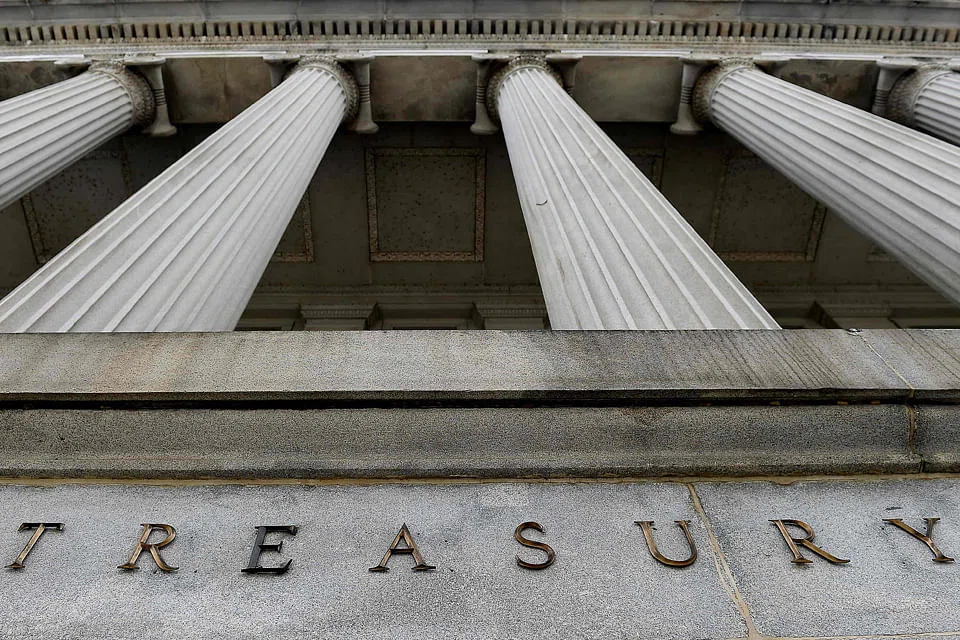
DeeperDive is a beta AI feature. Refer to full articles for the facts.
Singapore
IT SAYS a lot about the state of global financial markets when countries such as Ghana, Senegal and even Belarus are being touted as the best places for investors to pick up returns in 2021.
But, with the latest signal from the Federal Reserve that US rates will stay lower for longer, the highest-yielding - and riskiest - corners of the world's bond markets are being tipped as a top investment choice for the coming year. And this, after likely clocking up their smallest annual gain in five years.
The willingness of bond-buyers to move up the risk ladder would underscore how rising US Treasury rates will do little to dim the appeal of developing-nation debt as long as an US$18 trillion pile of negative-yielding debt hangs over markets and central banks remain accommodative.
Even among developing economies, spreads on bonds from lower-risk borrowers have narrowed so much that investors are being forced to go further into junk territory for better returns.
"It's a matter of time before investment-grade markets run out of spread," said Leo Hu, lead fund manager for frontier-market debt at NN Investment Partners in Singapore. "The next one they can look at is indeed frontier markets. There is nowhere they can invest to get decent yields."
Navigate Asia in
a new global order
Get the insights delivered to your inbox.
The recovery may already be under way. JPMorgan Chase's Next Generation Markets Index, which tracks the sovereign dollar debt of countries seen as emerging economies of the future, has rebounded to pre-Covid levels.
The gauge, which includes the likes of Belize and Angola, is near the highest price since March relative to the mainstream emerging-market index, which is already at a record.
By removing the prospect that massive easing will be wound back anytime soon, US policy makers meeting last week gave developing nations the breathing space to cut interest rates, or at least keep them lower for longer, at a time when Treasury yields are rising at their fastest pace in four years.
The external environment is turning conducive for frontier-market debt, too.
Joe Biden's US presidential win has reduced risks to global trade, while the roll-out of vaccines has brought a global economic recovery nearer. That makes bond buyers confident enough to embrace next-generation markets where yields average about 7 per cent, compared with the 4.4 per cent average rates from emerging markets.
The hunt for yield means investors putting money in some of the remotest corners of the world's bond markets.
Investors are touting Belarus, which was this year slapped with sanctions by the European Union as a result of President Alexander Lukashenko's crackdown on protesters following the country's disputed election in August.
Senegal, among the low-income nations in Africa that got a waiver on bilateral debt payments, is also being touted by Aberdeen Standard Investments among others.
Ghana, the world's second-largest cocoa producer, also has its backers despite political turmoil after the Dec 7 elections.
Belarus's 2030 dollar bonds yield about 6 per cent, Senegal's 2033 bonds about 5 per cent, while Ghana's 2032 notes are at 7.3 per cent, according to data compiled by Bloomberg. BLOOMBERG
Decoding Asia newsletter: your guide to navigating Asia in a new global order. Sign up here to get Decoding Asia newsletter. Delivered to your inbox. Free.
Share with us your feedback on BT's products and services