

Dollar hits two-year lows as traders ignore US stimulus delays
 Add BT as a preferred source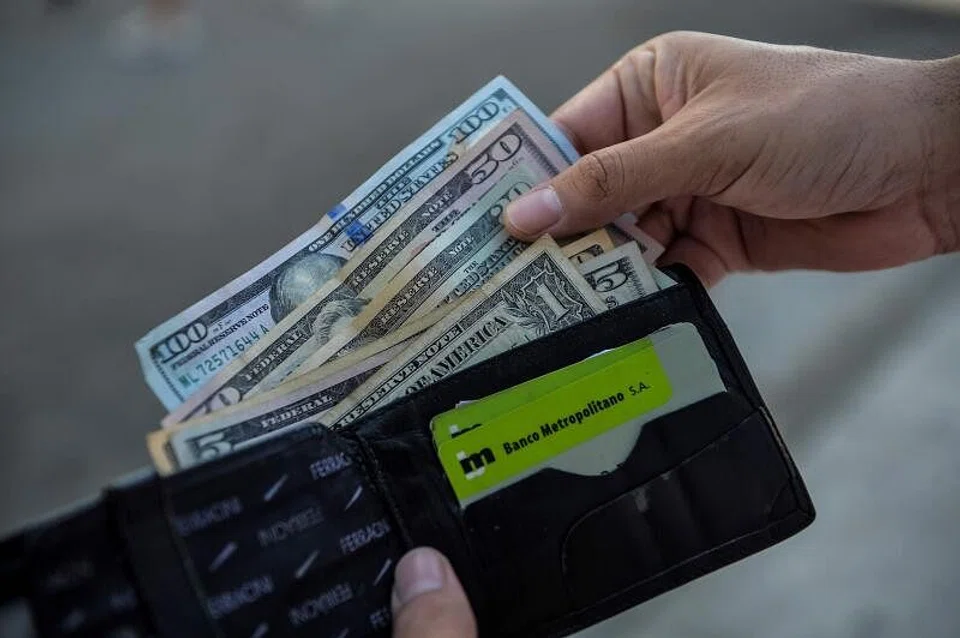
DeeperDive is a beta AI feature. Refer to full articles for the facts.
[LONDON] The dollar sunk to its lowest in more than two years in Asian trading on Wednesday and riskier currencies surged, as investors looked past the latest delay in US fiscal stimulus and bet that global market risk appetite would increase in 2021.
US Senate Majority Leader Mitch McConnell on Tuesday blocked a vote on increasing Covid-19 relief payments to US$2,000, adding another delay to fractious negotiations over fiscal stimulus.
But market sentiment was upbeat as investors remained optimistic that a fiscal stimulus deal will be eventually reached, lessening demand for the safe-haven dollar.
The latest setback "doesn't really matter too much for investors as they have been over the moon on the back of news that there is still plenty of fiscal support for the US economy," Naeem Aslam, chief market analyst at Avatrade, said in a note.
Analysts expect the dollar to weaken further in 2021 as US President-elect Joe Biden is expected to push for even more measures to support the US economy.
The "risk-on" moves in currency markets peaked in the Asian session on Wednesday, then eased off as European markets opened.
Navigate Asia in
a new global order
Get the insights delivered to your inbox.
At 8.16am GMT, the dollar was down around 0.1 per cent versus a basket of currencies, at 89.895, having dropped as low as 89.711 overnight. The euro was up at US$1.226.
The Australian dollar - seen as a liquid proxy for global risk appetite - was up 0.6 per cent on the day at 0.76475 at 8.25am GMT. The New Zealand dollar also hit two-year highs.
The dollar lost out to the Japanese yen, with dollar-yen down 0.2 per cent at 103.34 at 8.34am GMT.
In Europe, sentiment was buoyed by Britain becoming the first country in the world to approve the Covid-19 vaccine developed by AstraZeneca and Oxford University.
The British pound was up against the dollar, at US$1.3538, but little changed against the euro, as traders returning from the Christmas break digested the Brexit deal struck on Dec 24.
Although the agreement avoids a chaotic no-deal exit, it does not cover services, which make up 80 per cent of the British economy.
Commonwealth Bank of Australia senior currency strategist Elias Haddad wrote in a note to clients that the fact that the deal does not provide an equivalence framework for financial service and growing support for Scottish independence are new headwinds for the pound.
Eurozone government bond yields edged up by around 1 basis point, with Germany's benchmark 10-year yield at -0.56 per cent at 8.27am GMT.
Elsewhere, Bitcoin reached a record high of US$28,599.99, taking its yearly gain for the world's most popular cryptocurrency past 295 per cent.
REUTERS
Decoding Asia newsletter: your guide to navigating Asia in a new global order. Sign up here to get Decoding Asia newsletter. Delivered to your inbox. Free.
Share with us your feedback on BT's products and services
TRENDING NOW

Air India asks Tata, Singapore Airlines for funds after US$2.4 billion loss

‘Boring’ is the new black: The stars are aligning for a Singapore stock market revival

From 1MDB to ‘corporate mafia’: Is Malaysia facing a new governance test?

South-east Asian markets account for 8.8% of global capital inflows from 2021 to 2024: report

