Dollar just off 20-year highs, rally hinges on Fed signals
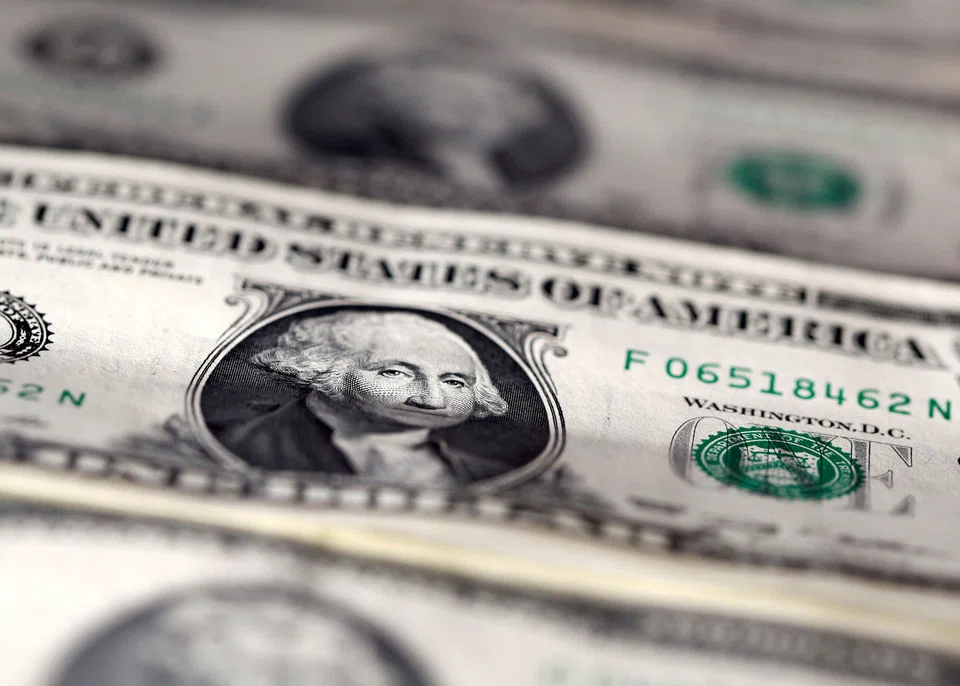
THE dollar index pulled further away from 20-year highs on Wednesday, having already priced the US Federal Reserve to raise interest rates by a half-point later in the day and by some 250 basis points (bps) by year-end.
Currency markets have settled in to wait for the Fed’s 1800 GMT announcement and chairman Jerome Powell’s news conference, having endured wild gyrations in recent weeks, with the dollar soaring to 20-year highs against a basket of currencies.
Money markets are betting the Fed will raise rates as high as 3.6 per cent by the end of 2023 to tame inflation at 40-year highs. Having kicked off its hiking cycle in March, the Fed is seen delivering a 50 bps move on Wednesday, with two more half-point hikes priced for the next two meetings.
It may also announce when it will start reducing its US$9 trillion balance sheet.
Those bets lifted the dollar index 5 per cent last month to around 103.93. It has since slipped 0.3 per cent off those levels and by 1030 GMT was at 103.40, slightly lower on the day.
“A major correction in the dollar would happen only if the Fed pushes back against hawkish market pricing and until they do that, there is a degree of freedom for markets to reprice the terminal rate to 4 per cent,” ING Bank strategist Francesco Pesole said.
“We are also in a situation where if you let go of dollar positions, where do you put your money?“ Pesole asked, noting the effect of the Russia-Ukraine war on Europe and the economic slowdown in China.
Dollar strength has weighed on other currencies, pushing the euro last week to two-decade lows around SU$1.0469. It stood at US$1.0525 on Wednesday.
“The fundamentals, the interest rate difference, the growth outlook, the risk-off mood, all tend to favour the dollar,” said Gergely Majoros, member of the investment committee at Carmignac.
“A lot of factors point to a stronger dollar and weaker euro ... in our global portfolio we have increased dollar positioning.”
Some note markets’ expectations of future U.S. inflation - so-called breakevens - derived from Treasury inflation-protected securities (TIPS) have eased, with 5-year breakevens around 3.2 per cent, versus April highs of 3.6 per cent.
ING’s Pesole dismissed the moves, however.
“If the Fed provides an indication they will aggressively front-load the tightening cycle and the back end of the Treasury curve comes off a bit, that will be the indication that markets are starting to price the Fed getting ahead of the curve (on inflation),” he added.
Elsewhere, the Australian dollar rose 0.4%, benefiting from Tuesday’s bigger-than-expected interest rate hike. REUTERS
Decoding Asia newsletter: your guide to navigating Asia in a new global order. Sign up here to get Decoding Asia newsletter. Delivered to your inbox. Free.
Share with us your feedback on BT's products and services