

Greenback climbs as oil, US yields stay high
It is testing several-month highs against major peers
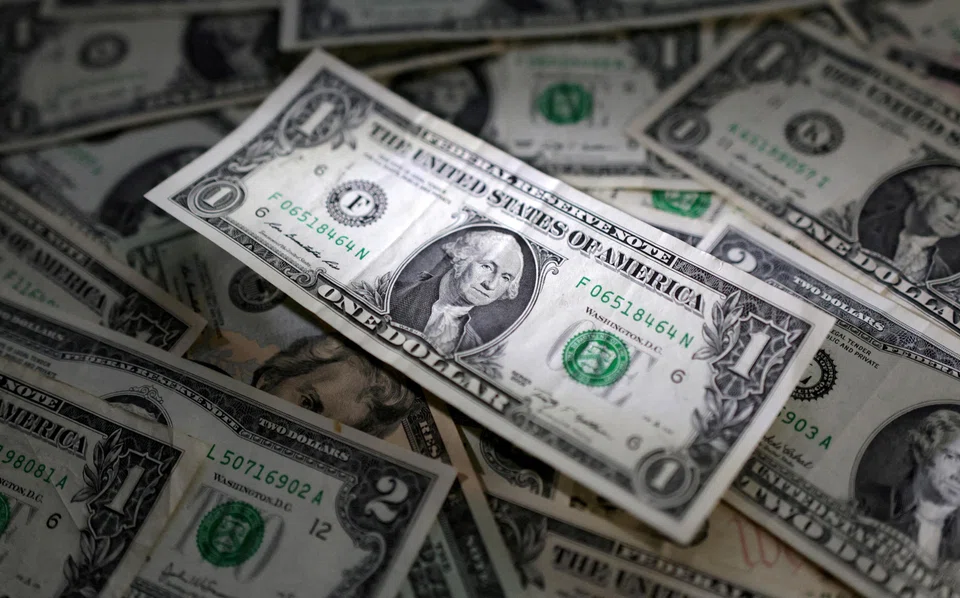
[LONDON/HONG KONG] The greenback rose on Tuesday (Sep 29), testing several-month highs against major peers, underpinned by volatile oil prices and a recent rapid climb in US Treasury yields.
The euro dropped by as much as 0.32 per cent to US$1.13325, a three-month low. A fall past its late June levels would take it to the lowest in well over a year, as the currency struggles in the face of a global energy shock and growing political risk in Europe.
But it is by no means unique. The pound fell 0.25 per cent to US$1.3221, again in sight of three-month lows hit last week.
Meanwhile, the Swiss franc was also weaker at 0.8335 per US dollar, its softest in four months.
Beyond domestic European reasons for weakness that are sending its currencies lower on the dollar, the greenback also is strengthening.
Elevated oil prices and a storming economy have markets pricing in meaningful rate hikes by the US Federal Reserve.
That in turn has sent Treasury yields higher across the curve, with the two-year yield – more important than longer dated peers for currencies – around its highest in two years and closing in on the symbolic 5 per cent level.
That yield was a whisker lower on Tuesday, and oil prices steadied, with Brent crude futures at US$104.5 a barrel, though still at painful levels for many energy-intensive industries.
But investors and analysts are increasingly shifting their view on the dollar.

In a note, James Lord, global head of FX at Morgan Stanley, said the bank “now forecast US dollar strength through year-end and into 2027”, from a prior expectation that the dollar would continue its descent into the year’s second half.
It now forecasts the euro to fall to US$1.10 by mid-2027, as widening rate differentials between the US and the rest of the world, robust US growth and European risk premiums are expected to support the dollar.
“Elevated energy prices, robust US data, and a hawkish (Fed) reaction function have generated not just a rate hike, but likely (also) further hikes to come,” the note said.
In contrast with the US, European Central Bank (ECB) president Christine Lagarde pushed back on Monday against some of the most aggressive market bets on ECB rate hikes.
The dollar’s next test is this week’s key US data, including the personal consumption expenditures price index on Wednesday and non-farm payrolls on Friday, to see if it supports the case for further Fed rate hikes.
Markets now see a more than 70 per cent chance of a rate hike by the Fed at the end of October.
Australia’s central bank raised its cash rate to a 15-year high of 4.6 per cent on Tuesday in a unanimous decision, saying inflation was too high and it was prepared to hike further if needed.
But the Australian dollar plumbed its lowest in nearly two months, to stand down 0.44 per cent at US$0.6988, after a brief spike to a high of US$0.7029 on the decision.
The Japanese yen was steady at 157.3 per dollar, having given back Monday’s gains after top currency diplomat Atsushi Mimura said markets should heed the “very clear” warning that Tokyo and Washington delivered last week on the yen. REUTERS
Decoding Asia newsletter: your guide to navigating Asia in a new global order. Sign up here to get Decoding Asia newsletter. Delivered to your inbox. Free.
Share with us your feedback on BT's products and services






