

Greenback steadies as Middle East escalation counters soft US inflation
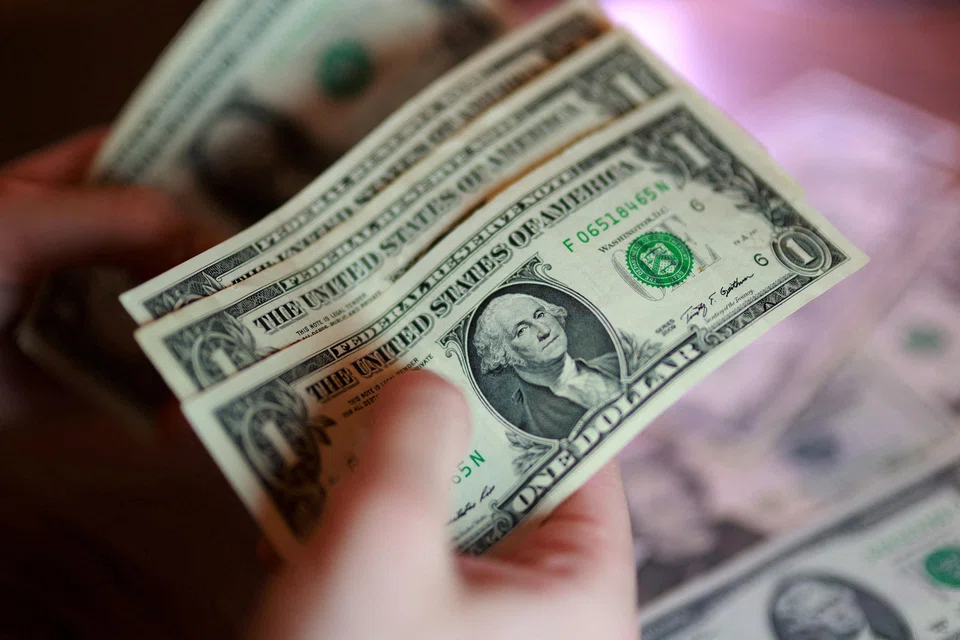
[LONDON] The greenback was steady on Wednesday (Jul 15) as investors balanced renewed US strikes on Iran against softer-than-expected inflation data that reduced expectations of a near-term Federal Reserve interest-rate hike.
The US dollar was little changed at 162.34 yen. The euro held at US$1.1418, while sterling traded at US$1.3399.
The US dollar index, which tracks the currency against six major peers, edged up less than 0.1 per cent to 100.97. It fell 0.4 per cent in the previous session, its biggest decline in nearly two weeks, after touching its highest level since Jul 2.
The latest escalation in hostilities between the US and Iran kept oil prices near one-month highs, maintaining pressure on the inflation outlook. The US military said it had begun a new wave of strikes on Iran at 6 am ET (1000 GMT) on Wednesday, after US President Donald Trump said on Tuesday that Washington had reimposed a naval blockade of all Iranian ports.
The US dollar has tended to benefit during flare-ups in the conflict because of its safe-haven status and the relatively limited impact of higher energy prices on the American economy compared with some peers.
Cooler US inflation had earlier weighed on the currency. The country’s consumer inflation slowed more than expected to 3.5 per cent on a year-on-year basis in June, data showed on Tuesday.
The headline consumer price index fell 0.4 per cent month on month, its first decline since April 2020, as energy prices retreated.
“The market was building a conviction that the Fed was going to hike in September, and it’s certainly injected a bit of doubt into that now,” said Chris Turner, head of global markets at ING.
Turner added the Fed would probably need to see further benign inflation readings before ruling out a rate hike later this year. “Short term, these Fed tightening expectations are going to hang around a bit... so I think the US dollar can stay stable, depending on what happens with energy prices.”

New Fed chair Kevin Warsh told the House Financial Services Committee on Tuesday that the central bank has “no tolerance” for persistently elevated inflation, and pledged to “do my job” if challenged by Trump.
Traders are now pricing in about a 70 per cent chance of a September rate hike, while a move later this month is seen as highly unlikely, indicated LSEG data.
Elsewhere, Norway’s krone weakened against both the euro and the US dollar after Norwegian core inflation slowed more than expected in June, easing pressure on the central bank to raise rates next month.
The New Zealand dollar held near a one-month high at US$0.5821, while the Australian dollar inched up to US$0.6985.
China’s economic growth slowed sharply to 4.3 per cent in the second quarter, its weakest pace in more than three years. The renminbi briefly firmed to a one-month high as the data reinforced expectations of further policy support. REUTERS
Decoding Asia newsletter: your guide to navigating Asia in a new global order. Sign up here to get Decoding Asia newsletter. Delivered to your inbox. Free.
Share with us your feedback on BT's products and services
TRENDING NOW

LTA proposes combining car COE categories, adding rebate-surcharge system

StarHub to acquire MyRepublic’s mobile business amid ongoing telco consolidation

DBS, OCBC, UOB rout lops billions off STI as inflation, rate concerns spook investors

Grab CEO’s wife Chloe Tong on life with Anthony Tan and finding her purpose

