

Dubai seals deal to form US$159 billion Islamic banking giant
The deal is valued at about 31.1 billion dirhams (US$8.5 billion), based on DIB’s last close
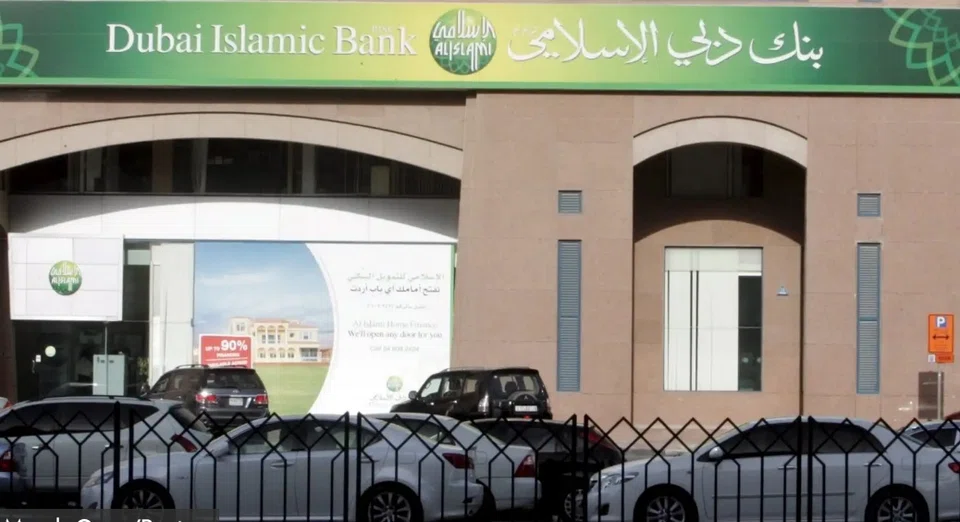
DUBAI Islamic Bank PJSC said it’s buying Emirates Islamic Bank PJSC in an all-stock deal that will create one of the world’s largest listed Islamic-banking groups, with combined assets of about US$159 billion.
As part of the transaction, DIB will issue 3.49 billion new shares to Emirates NBD Bank PJSC, the owner of Emirates Islamic, it said in an exchange filing on Wednesday. The deal values the target at about 31.1 billion dirhams (US$8.5 billion) based on DIB’s last close, according to Bloomberg calculations.
DIB shares rose as much as 4.3 per cent in early Thursday trading, while Emirates NBD gained about 1 per cent.
The merger, among the biggest of its kind regionally in recent years, will hand Emirates NBD a 32.5 per cent stake in DIB. Bloomberg News reported earlier that Dubai officials were considering a potential combination of the lenders.
The combined group will have a stronger presence across corporate and retail banking, the firms said, bringing together DIB’s corporate banking franchise with Emirates Islamic’s established retail business and deposit base.
A heftier balance sheet will give it greater capacity to finance businesses and major projects.

Sovereign fund
Emirates NBD will keep its exposure to the growth of Islamic banking through its stake in DIB, while freeing up capital for other lending and investment opportunities.
Citigroup analysts said the deal is broadly positive for both banks and would make DIB the United Arab Emirates’ largest Islamic banking group and the world’s second-largest listed Islamic lender by assets. They said more detail on synergies is needed to assess the financial impact.


Jefferies International said the valuation implied by the Emirates Islamic sale appears to favor DIB over Emirates NBD. Based on initial assumptions for synergies and integration costs, its analysts estimate the deal would dilute Emirates NBD’s earnings per share.
Investment Corp of Dubai, the emirate’s main investment vehicle, holds about 28 per cent of DIB and 41 per cent of Emirates NBD. Emirates Islamic was previously listed, before Emirates NBD bought out minority shareholders last year.
The acquisition remains subject to regulatory and shareholder approvals, the banks said in a statement. Bank of America advised DIB on the deal, while Emirates NBD worked with JPMorgan Chase & Co.
The deal comes in a difficult year for DIB. Despite a recent rally, its shares are still down about 4 per cent in 2026. The lender also recently changed leadership, appointing Fadhel Abdulbaqi Al Ali as chairman effective from Sep 30.
Regional consolidation
The deal adds to a long history of banking consolidation in the region, marked by Dubai’s landmark deal in 2007, when Emirates Bank International merged with National Bank of Dubai to create Emirates NBD.
A decade later National Bank of Abu Dhabi and First Gulf Bank combined to form First Abu Dhabi Bank PJSC, the country’s largest lender. In 2019, Abu Dhabi Commercial Bank PJSC merged with Union National Bank and acquired Al Hilal Bank.
The trend has extended across the Gulf, gathering momentum after the 2014 oil-price crash. Dealmaking accelerated again during the pandemic as banks sought greater scale, efficiency and capacity to finance economic diversification.
Major deals included the creation of Saudi National Bank in 2021 through the merger of National Commercial Bank and Samba Financial Group, followed by Kuwait Finance House’s acquisition of Ahli United Bank.
Qatar has also seen a wave of consolidation. A 2019 merger created the Islamic lender later rebranded as Dukhan Bank, while another combination a couple of years later formed what was then the country’s second-largest lender. BLOOMBERG
Decoding Asia newsletter: your guide to navigating Asia in a new global order. Sign up here to get Decoding Asia newsletter. Delivered to your inbox. Free.
Share with us your feedback on BT's products and services
TRENDING NOW

Nvidia halts chip shipments to 4 countries in South-east Asia, including Singapore: FT

Should Keppel swoop in to snare Mapletree Investments?

OCBC opens 100-tonne gold vaulting facility to meet growing institutional demand
‘Very disappointed’: Singapore disagrees with US tariff rationale, to seek lower levies

