

DWS sends ‘shock waves’ through ESG fund management industry
 Add BT as a preferred source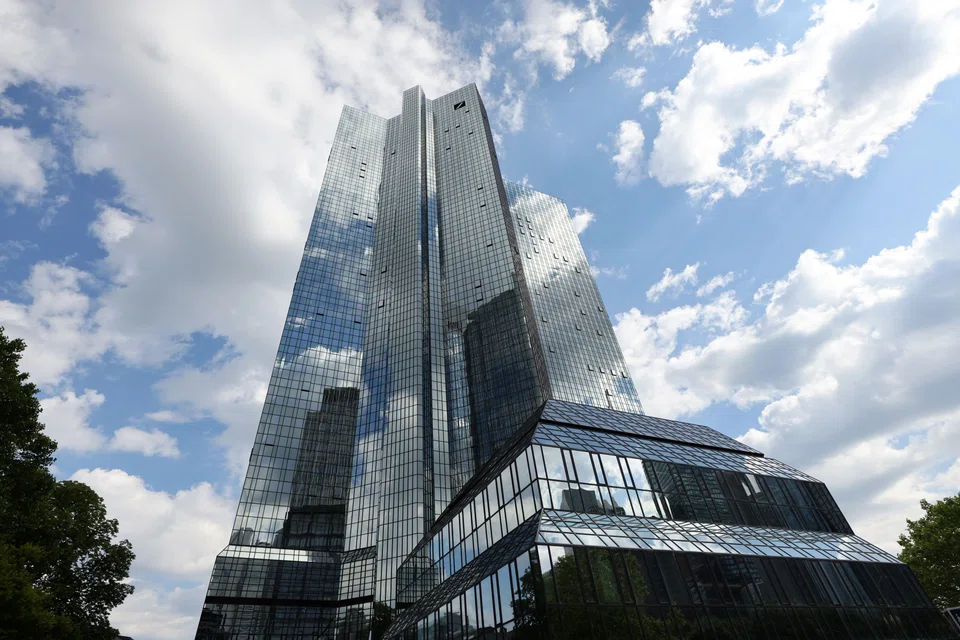
THE departure of a chief executive officer amid allegations of greenwashing marks a turning point for an industry that this year ballooned to more than US$40 trillion.
After pegging his career to ESG, the CEO of DWS Group, Asoka Woehrmann, resigned hours after the asset manager’s offices were raided by police looking for evidence of misleading claims around environmental, social and governance investments. DWS is still being investigated in the US and Germany.
“This is a very historic thing that’s happening,” said Sasja Beslik, chief investment officer at NextGen ESG and the author of “Where the Money Tree Grows.”
It’s going to send “shock waves across the asset-management industry, specifically targeting senior management because they ultimately approve all of it.”
The DWS development represents the most compelling signal yet from European regulators that they’ll no longer tolerate puffed up ESG claims.
It also coincides with signs of growing cynicism around the role of ESG and the ways in which it’s being peddled.
What’s more, the departure of Woehrmann - once viewed as a star performer - has fund managers across Europe wondering whether they might also be in the crosshairs, according to Beslik.
“What happened at DWS is going to push asset managers to be much more careful about the things they’re saying,” he said. “You will see a lot of discussion in meeting rooms across asset managers this morning. They’ll be wanting to make sure that they can actually back up their ESG statements.”
For many asset managers, backing up ESG claims is becoming an increasingly fraught undertaking. That’s as some European regulators start to question the quality of the rules the industry needs to follow.

According to the national regulator of France, holes in the EU’s landmark ESG rulebook - the Sustainable Finance Disclosure Regulation - almost invite greenwashing.
Greenwashing is the process of conveying a false impression or providing misleading information about how a company’s products are more environmentally sound.
Robert Ophele, the head of the French Financial Supervisory Authority, said there’s no guarantee that SFDR actually leads to sustainable investment products. He points to the two main fund categories within SFDR, known as Article 8 (light green) and Article 9 (dark green).
“When it comes to the categorisation of products, we have indeed a problem due to the catch-all nature of the Article 8 product category, but which is also present for the Article 9,” Ophele said in an interview. “It fuels greenwashing all the more.”
Ophele warned that national regulators have different interpretations of SFDR and suggested that some local watchdogs aren’t policing ESG claims properly.
“SFDR doesn’t provide for any harmonisation in the European fund landscape,” Ophele said. “And it’s fair to say that every national competent authority is implementing its own approach, if any.”
The lack of clear rules is making asset managers all the more nervous. “You have the regulators trying to carve out a vague description of what constitutes an ESG product,” Beslik said.
Ophele said there is now a clear understanding that the “current situation isn’t sustainable.”
The chair of the European Securities and Markets Authority, Verena Ross, acknowledged this week that SFDR is “incomplete and imperfect.”
In March, European authorities issued more guidelines, and the European Commission is considering minimum sustainability requirements for Article 8 funds.
SFDR “has been perceived by many to be a bit toothless,” said Beslik. But with DWS, “regulators have decided to set a precedent.” BLOOMBERG
Decoding Asia newsletter: your guide to navigating Asia in a new global order. Sign up here to get Decoding Asia newsletter. Delivered to your inbox. Free.
Share with us your feedback on BT's products and services
TRENDING NOW
Hell hath no fury like a man scorned: CEO’s S$468,000 suit against ex fails after relationship sours

Floods compound Philippine growth woes from public-works scandal

Singdollar hits 10-month high against ringgit as investors take refuge in traditional safe haven

How Asia’s next generation is rewriting legacy through entrepreneurship

