

ECB governors see rising risk of rate hitting 2% to curb inflation: sources
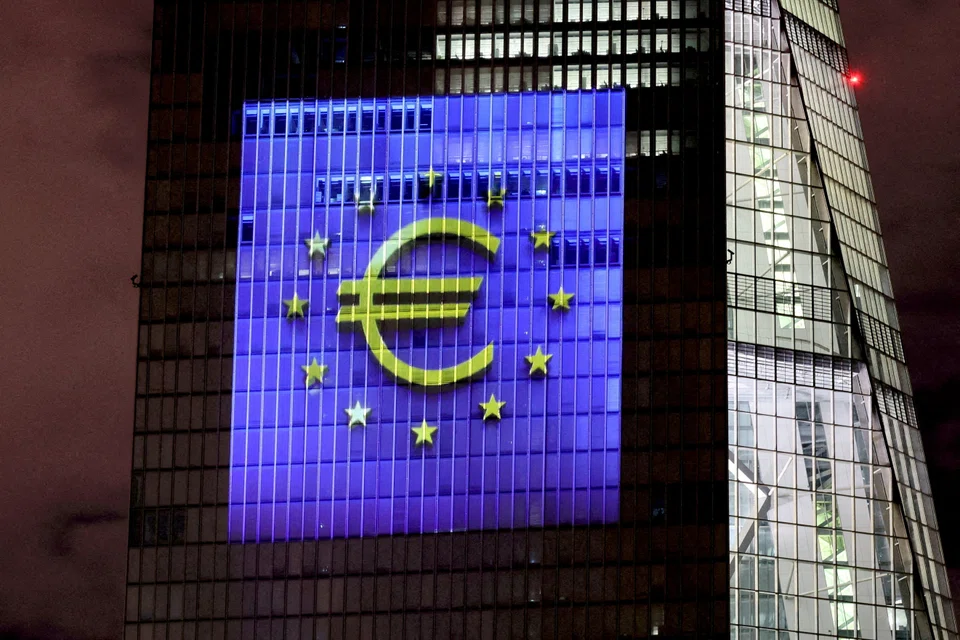
EUROPEAN Central Bank (ECB) policymakers see a rising risk that they will have to raise their key interest rate to 2 per cent or more to curb record-high inflation in the euro zone despite a likely recession, sources told Reuters.
With inflation hitting 9.1 per cent in August and seen above the ECB’s 2 per cent target for 2 years to come, the central bank has been raising its interest rates at record speed and urging governments to help bring down energy bills that have ballooned since Russia invaded Ukraine.
The ECB raised its deposit rate from zero to 0.75 per cent on Thursday (Sep 8) and president Christine Lagarde guided for another 2 or 3 hikes, saying rates were still far away from a level that will bring inflation back to 2 per cent.
Five sources close to the matter said many policymakers saw a growing probability that they will need to take the rate into “restrictive territory”, jargon for a level of rates that causes the economy to slow, at 2 per cent or above.
The sources, who spoke on condition of anonymity because policy deliberations are private, said this would most likely happen if the ECB’s first inflation projection for 2025, due to be published in December, is still above 2 per cent.
An ECB spokesperson declined to comment.
The ECB currently sees inflation at 2.3 per cent in 2024, though one source said an internal forecast which was presented at Thursday’s meeting put it closer to 2 per cent after taking into account the latest gas prices.
Dutch central bank governor Klaas Knot and Belgium’s Pierre Wunsch were the first to openly talk about going into restrictive territory late last month, at a time when most of their colleagues felt interest rates just needed to go back to between 1 per cent and 2 per cent.
The sources said policymakers were bracing for a recession this winter and weaker economic growth next year than the ECB’s official projection of 0.9 per cent. But some took comfort from the strong labour market, which should cushion the impact of the higher rates, they added.



At Thursday’s meeting, policymakers also began a discussion about the tens of billions of euros that the ECB is liable to pay out to banks on their excess reserves now that the deposit rate is positive again, the sources said.
Policymakers judged that current proposals, including one for a “reverse tiering system” that caps remuneration on some reserves, needed more work, the sources said. One added a decision might still come before the ECB’s next policy meeting on Oct 27. REUTERS
Decoding Asia newsletter: your guide to navigating Asia in a new global order. Sign up here to get Decoding Asia newsletter. Delivered to your inbox. Free.
Share with us your feedback on BT's products and services
TRENDING NOW

Temasek’s Wan Chee Foong to helm PIL, Lars Kastrup to be board adviser

Chagee, Mixue and Luckin won the market. Sustaining their edge is the harder part

He built the Vingroup empire. Now South-east Asia’s richest man is handing some key roles to his sons

One-third of Singapore-listed firms at risk in severe AI downturn: MAS

