ECB meets as invasion of Ukraine complicates path to higher rates
 Add BT as a preferred source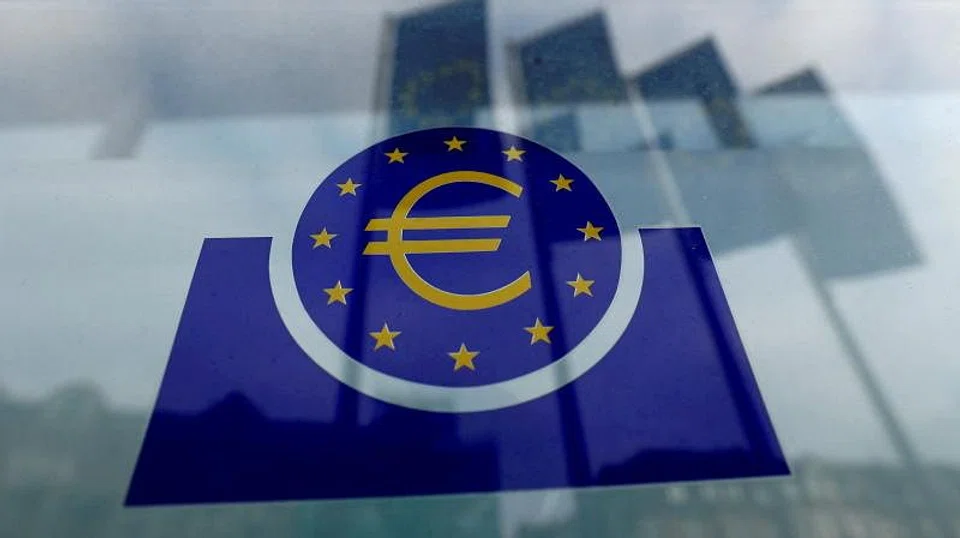
DeeperDive is a beta AI feature. Refer to full articles for the facts.
[FRANKFURT] European Central Bank (ECB) policymakers are gathering on Thursday (Feb 24) for what may have suddenly become a crisis meeting as Russia's invasion of Ukraine threatens to derail economic growth in the eurozone and complicate the ECB's path out of negative interest rates.
The ECB's policymaking Governing Council had been due to gather in Paris at lunchtime on Thursday for an "informal get-together".
This was aimed at preparing a decision on March 10 on the likely end of the ECB's bond-buying stimulus programme and pave the way for the first rate hike in more than a decade to tackle surprisingly high inflation.
But Russia's invasion of Ukraine overnight has changed the picture by raising the prospect of higher energy costs, financial turmoil and lower trade for the eurozone.
This was likely to lead to an immediate spike in energy prices followed by lower economic growth and inflation for the eurozone, which relies on Russian gas for 40 per cent of its needs.
ECB policymaker Yannis Stournaras was the first to ring the alarm bell, saying in a Reuters interview published on Thursday that the central bank should continue buying bonds at least until the end of the year to counter deflationary effects in the medium to long term from a Ukraine conflict.
Navigate Asia in
a new global order
Get the insights delivered to your inbox.
Analysts concurred. "It will make the ECB more cautious and may delay the decision on tapering bond purchases," said Frederik Ducrozet, a strategist at Pictet.
Daiwa Capital Markets' head of research Chris Scicluna agreed that the Ukraine crisis "would slow the pace of (ECB policy) normalisation".
ING economist Carsten Brzeski added the ECB may now stop short of putting a firm end date on its Asset Purchase Programme on March 10.
No decision was expected at Thursday meeting, which is scheduled to start with a lunch and end at around 2100 GMT, before a gathering of European Union finance ministers the following day.
The ECB had not shared a meeting agenda with policymakers but these were expected to discuss the economic outlook, their next policy moves as well as some operational matters.
This has now changed, with the Ukraine crisis likely to dominate the discussion.
"This is now something completely different," ING's Carsten Brzeski. "It takes away the pressure for the ECB to rush into action." REUTERS
Decoding Asia newsletter: your guide to navigating Asia in a new global order. Sign up here to get Decoding Asia newsletter. Delivered to your inbox. Free.
Share with us your feedback on BT's products and services