

ECB shelves euro clearing house policy: source
 Add BT as a preferred source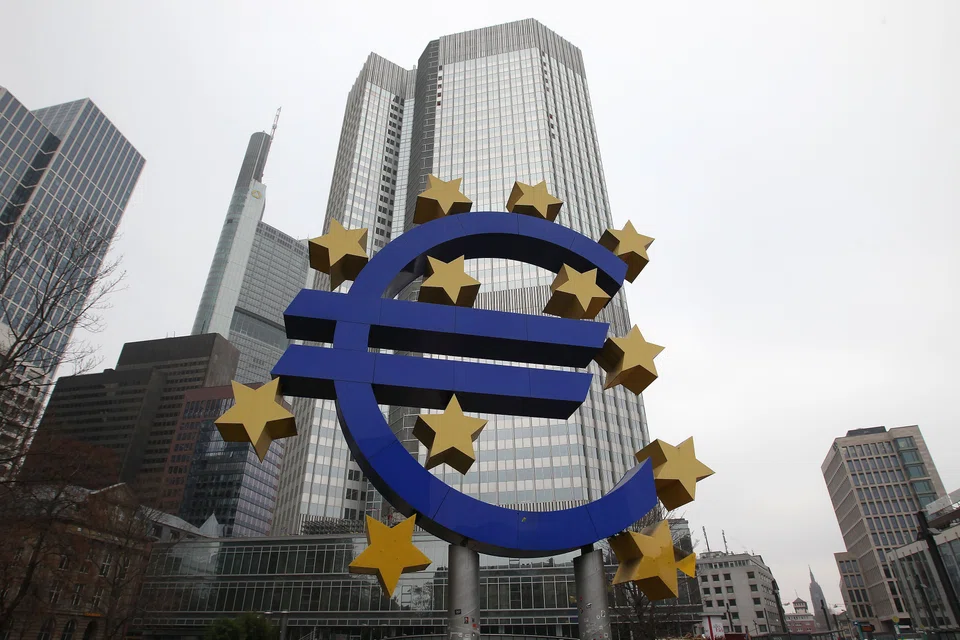
DeeperDive is a beta AI feature. Refer to full articles for the facts.
[LONDON] The European Central Bank has quietly shelved its policy of requiring clearing houses handling euro-denominated securities to be located inside the eurozone, after the measure was rejected by a top European court, a source at the central bank said.
Britain had challenged the policy in the European Union's second-highest court, fearing it would damage London's role as a finance centre, and the court ruled earlier this month that the Frankfurt-based central bank did not have the power to impose it.
When asked if the ECB had now abandoned it, the source said: "Yes it has."
The drive to have clearing houses in the eurozone was being led by the French central bank because France is home to one of the region's biggest clearing houses, Clearnet, whose London arm LCH.Clearnet, clears large amounts of euro-denominated securities.
A clearing house stands between two sides of a securities transaction to ensure it is completed even if one side goes bust.
The ECB's worry was that if a London-based clearing house handling euro-denominated securities ran into trouble it would not be eligible for direct support from the bank and the euros it can provide.
Navigate Asia in
a new global order
Get the insights delivered to your inbox.
These concerns have now been eased after the Bank of England said on the day of the court ruling this month that it would work closely with the ECB.
Britain had argued the policy went against the EU's single market, and feared it would force clearing houses to shift from London to the eurozone.
REUTERS
Share with us your feedback on BT's products and services
TRENDING NOW

Shelving S$5 billion office redevelopment plan proved ‘wise’ as geopolitical risks mount: OCBC chairman

Eurokars Group introduces rental car franchises Enterprise Rent-A-Car, National Car Rental, and Alamo to Singapore

20 photos that show how dramatically Singapore has changed in two decades
Singapore’s key exports up 15.3% in March from electronics surge, exceeding forecasts

