ECB to start fresh checks on banks’ exposure to private credit
It plans to ask banks for details of their dealings with direct lenders
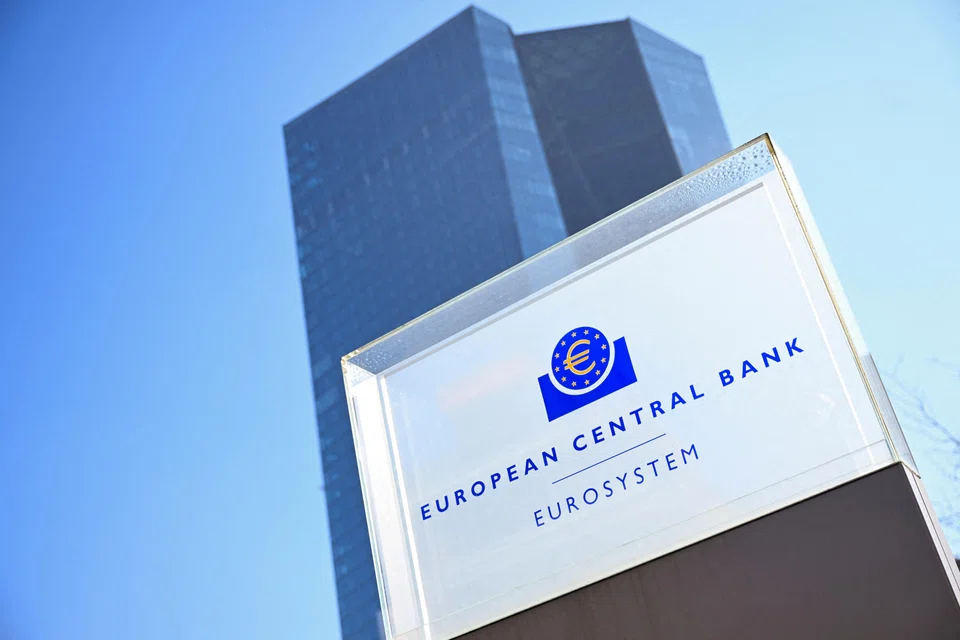
[BRUSSELS] The European Central Bank will begin a fresh round of checks on banks that it supervises as concerns intensify over loan quality in the private credit sector, according to people familiar with the matter.
The ECB plans to ask banks for details of their dealings with direct lenders, said some of the people, who asked to remain anonymous as the matter is private. Previous such exercises addressed about a dozen banks, they said.
A spokesman for the ECB declined to comment.
A string of high-profile blow-ups since last year and a spike in investor withdrawals from private credit funds has triggered worry over the extent to which regular banks are exposed to the US$1.8 trillion sector. In the euro area, lenders including Deutsche Bank and Societe Generale have sought to allay fears that the area poses a systemic risk.
While the ECB’s planned exercise builds on similar work in 2024 and 2025, euro area regulatory officials told Bloomberg that recent developments have underlined its importance. The ECB wants to ensure banks have a grasp of the risks they face, said the people.
The ECB is following up on deficiencies identified in assessments last year of banks’ links to private credit, said the people. Worries over the private credit sector have been prompted by the advance of AI and the disruption it presents to software firms in particular, to which non-bank lending is heavily exposed.


The watchdog has previously found that banks aren’t able to properly identify the detailed nature and levels of their links to private credit funds.
Exposure to private credit may be around 1 to 2 per cent for the European banking system, analysts at Keefe, Bruyette & Woods wrote in a note on Monday. It accounts for a larger share at bigger lenders Deutsche Bank, BNP Paribas and Societe Generale, they wrote.
It’s not clear whether European banks will suffer any credit losses on these exposures as their relevant lending is almost always secured with loan to value ratios of about 60 per cent, according to the analysts. “Even so, the headlines will persist and will likely continue to be a drag on the valuations of the banks most exposed,” they wrote. BLOOMBERG
Decoding Asia newsletter: your guide to navigating Asia in a new global order. Sign up here to get Decoding Asia newsletter. Delivered to your inbox. Free.
Share with us your feedback on BT's products and services