

ECB's revved-up QE perplexes traders as volatility strikes back
 Add BT as a preferred source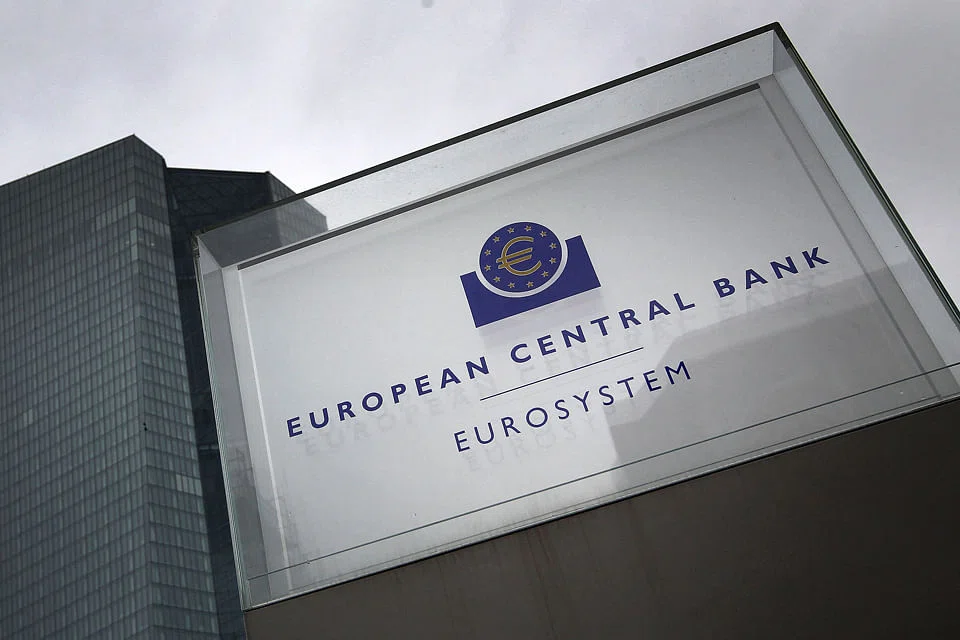
DeeperDive is a beta AI feature. Refer to full articles for the facts.
London
BOND traders doubtful about the European Central Bank's resolve to stem rising long-term borrowing costs are turning to the safety of data to reveal the true extent of the revved-up QE programme.
A fresh bout of volatility gripped the region's bond markets last Friday, the day after the ECB announced it was ramping up the pace of bond-buying over the next quarter to curb rising yields that could stifle economic green shoots. But policymakers made no move to alter the overall size and duration of the 1.85 trillion-euro (S$3 trillion) programme, and most said privately they don't plan to expand it. They also didn't offer details on exactly how much more the bank plans to buy every week and month.
It has all left investors fumbling in the dark for direction, and their focus is now turning to weekly and monthly reports on ECB bond-buying for proof that the bank has stepped up its purchases.
"Certainly the cleaner monthly data will become market-moving," JPMorgan Chase's head of EMEA securities trading Richard Gustard said in an interview. The pace could rise to 80 billion euros per month, marking a step-up from less than 60 billion euros in January, he said.
"Anything less than that will be reasonably bearish," he said, while more than 80 billion euros would be considered "reasonably bullish".
Navigate Asia in
a new global order
Get the insights delivered to your inbox.
European policymakers are grappling with how to tamp down sovereign yields rising along with rates in the US, where an efficient vaccine roll-out is ushering in a faster recovery. The European economy is less able to cope with higher borrowing costs as delays in delivering the jab to its po-pulations prolong human suffering and economic malaise.
The yield on benchmark German debt has risen over 25 basis points so far this year to around -0.30 per cent, with some seeing it exiting negative territory by the end of the year. Longer-dated bonds are already above zero, with the rate on 30-year debt trading around its highest since June.
Jan von Gerich, chief strategist at Nordea Bank, for one, is doubtful about how effective the changes will be in containing yields. He expects the impact to be short-lived, especially once the real pace of purchases is revealed.
"The ECB's current stance is not enough to remove the risks of even faster increases in bond yields," he said. "The eventual revelations of the actual new purchase pace may end up a disappointment."
The answer to the question of how fast the ECB is stepping up won't show up on data due on Monday, though traders will get a sense of the scale of the response in the next set of reports. The previous weekly data showed the ECB settled 11.9 billion euros, well below the average pace of 18 billion euros since the tool's inception. Credit Agricole expects it to climb to as high as 25 billion euros.
This week's policy tweak should help underpin a rally in German bunds through April, said Bank of America rates strategist Sophia Salim. Beyond that, however, there's a significant risk of a sell-off thereafter when the programme comes up for a quarterly review.
"The closer we get to the quarterly review date, the bigger the risk of a spike in rates and volatility, and thus also spreads," she said.
Until then, traders will be left second-guessing the ECB until the weekly and monthly reports arrive. BLOOMBERG
Decoding Asia newsletter: your guide to navigating Asia in a new global order. Sign up here to get Decoding Asia newsletter. Delivered to your inbox. Free.
Share with us your feedback on BT's products and services
TRENDING NOW

Air India asks Tata, Singapore Airlines for funds after US$2.4 billion loss

‘Boring’ is the new black: The stars are aligning for a Singapore stock market revival

From 1MDB to ‘corporate mafia’: Is Malaysia facing a new governance test?

South-east Asian markets account for 8.8% of global capital inflows from 2021 to 2024: report

