

EPF fails to get waiver on mega-merger vote
Bursa sticks by rule book, denies pension fund's waiver request, given that there is a clear-cut conflict of interest

Anita Gabriel
Singapore
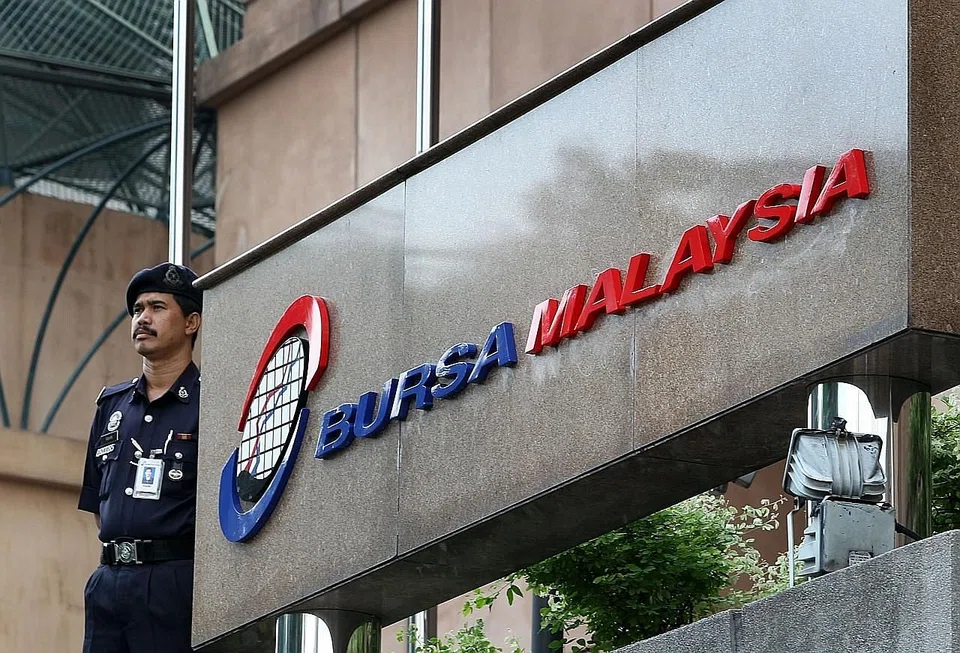
MALAYSIA'S securities regulator stuck by the rule book on Tuesday and rejected the Employees Provident Fund's (EPF) plea to be allowed to cast its vote on the merger of CIMB Group, RHB Capital and Malaysia Building Society Bhd (MBSB), given the clear-cut conflict of interest.
Bursa Malaysia's keenly awaited and much-debated decision is a major blow for the pension fund which had lobbied hard on the premise that it should not be denied its fundamental right to vote based solely on its size of holdings in the firms and that its vote was crucial to safeguard the rights and interests of 14 million working Malaysians who contribute to its coffers for their retirement income.
It also raises the hurdle for the big merger - a plan most analysts have lauded as a value-creating deal despite its execution and integration headaches - to pull through as EPF, given its kingmaker role accorded by its majority shareholding in RHB, would have voted in favour of the deal.
"There are no adequate justifications that the potential conflicts of interests involving EPF has been eliminated or sufficiently mitigated," said Bursa Malaysia. The regulator's decision was announced by RHB and MBSB whose shares together with CIMB were suspended from trading mid-afternoon pending the announcement.
EPF is a common shareholder in all three companies involved in the RM72.5 billion (S$28.2 billion) mega merger which will create South-east Asia's fourth-largest lender with S$240 billion in assets. The fund with a plump kitty of RM600 billion is the controlling shareholder of RHB and MBSB with a 41.43 per cent and 65 per cent stake respectively while it is CIMB's second-largest shareholder, next to Khazanah Nasional, with a 14.5 per cent stake.
Under the listing requirements' related party transaction framework which governs potential conflict-of-interest situation to safeguard minority shareholders, EPF is barred from voting as it is deemed a related party. For that reason, it had sought a waiver from the rule through RHB and MBSB but on Tuesday, its hopes were dashed.
Malaysia's frontline securities regulator seemed resolute in its decision, stating that EPF's stake in all three firms, in two of which it is the single largest shareholder, gives rise to potential conflict of interest as the fund "may be able to influence the proposed merger to its own benefit" which may pose a risk of potential abuse.
For that reason, it said that EPF does not share the same position as the other shareholders of RHB and MBSB.
"As the single largest shareholder of RHB Capital and MBSB and a major shareholder in CIMB Group, EPF may benefit from the transaction. As such, its overall position would differ from a party who is merely a shareholder of RHB Capital and MBSB, especially given the differing terms and valuations applicable to the three affected companies," ruled Bursa.
Dismissing the oft-cited narrative of EPF backers that the fund should be allowed to vote as it wasn't in on the merger idea from the start, Bursa acknowledged that it in fact did have prior knowledge of the proposed merger as it was notified by CIMB before the bank issued the letter of intent on July 9.
Bursa's firmly delivered decision makes the outcome of Malaysia's mega bank merger, which would also spawn a formidable Islamic banking entity, much harder to predict.
This is especially so because RHB's second largest shareholder, Abu Dhabi's Aabar Investment, is widely known to be keen to block the deal, as it wants a much higher price to exit from its pricey investment in the country's fourth-largest lender.
Yet, there are optimists. "The deal will go through because there is no reason to object to such value creation," said a veteran banker.
It also makes things difficult for EPF which owns sizeable stakes in all listed Malaysian banks, which means it could be up against the same hurdle as more consolidation - mergers are highly espoused by the country's banking regulator, Bank Negara Malaysia - ratchets up in the banking space there.
"It makes it complicated for EPF in the longer term as it owns stakes (all of them more than 10 per cent) in all Malaysian banks," said a banker.
TRENDING NOW

Philippine power giant First Gen rebuffs foreign offers, plans up to US$2.6 billion in expansion

Once staunchly pro-China, Malaysian Chinese businesses are now distancing themselves from Beijing

Nearly half of Singapore workers put in at least six unpaid hours a week: survey

Vietnam’s data-centre investment rush faces reality check on power and site constraints

