

Euro flirts with parity as Russian gas link enters planned shutdown
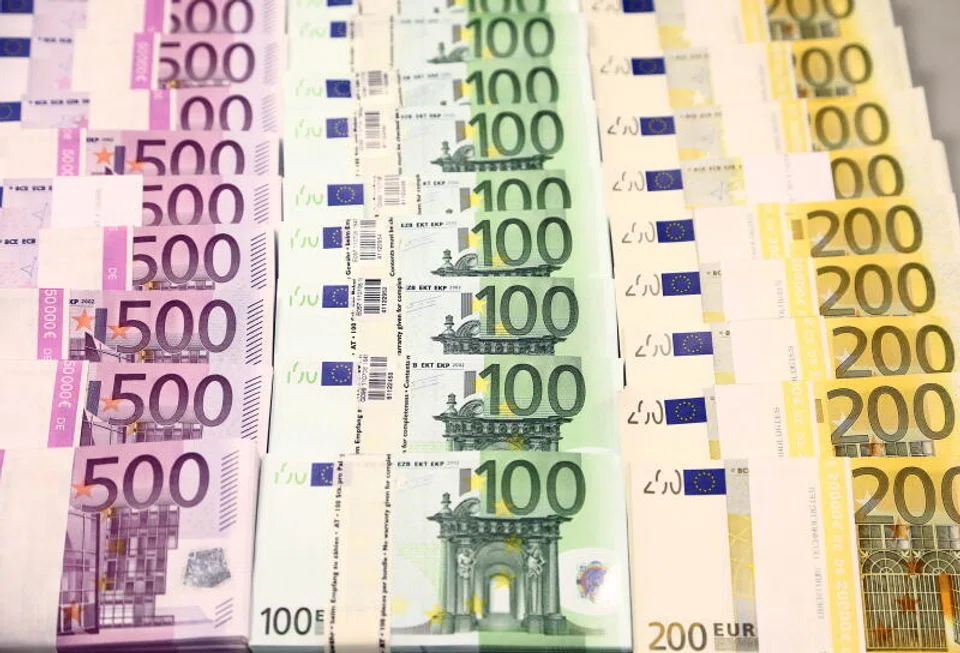
THE euro tumbled towards parity versus the US dollar on Monday (Jul 11) as the biggest single pipeline carrying Russian gas to Germany entered annual maintenance, with flows expected to stop for 10 days.
Investors are worried the shutdown might be extended due to the war in Ukraine, restricting European gas supply further and tipping the struggling eurozone economy into recession.
“What’s interesting is that we are reversing the bounce from Friday,” said Societe Generale currency strategist Kenneth Broux.
“It looks likely that we will be testing parity — we have 2 big reports from the US and that could be another catalyst,” he said, referring to inflation and retail sales data.
The single currency was last down 0.8 per cent at US$1.0105 per US dollar, thanks to the greenback’s broad gains as risk aversion gripped investors.
It fell to the brink of parity at US$1.0072 last Friday after the release of a bigger-than-forecast US payrolls figure for June before bouncing higher.
Broux said the euro was only likely to rally once the European economic outlook improved and if the scope for aggressive US rate hikes eased.
Analysts at ING added that with energy supplies unlikely to improve and central bankers showing no signs of being distracted from tightening cycles, the worst case for the euro was that it heads towards US$0.95 in July.
The US dollar climbed to a 24-year high versus the yen after Japan’s ruling conservative coalition’s strong election showing indicated no change to loose monetary policies.


It reached 137.28 yen in morning trading, the firmest since late 1998. It was last up 0.7 per cent at 136.07.
Expectations of another red-hot US inflation data print for June will bolster bets of aggressive rate hikes from the Federal Reserve and could propel the US dollar higher. A Reuters poll expects a 8.8 per cent reading, a fresh 40-year high, compared to 8.6 per cent in June.
The other main economic event this week is Chinese second-quarter gross domestic product data on Friday, with investors watching for signs of how hard the economy was hit by Covid-19 lockdowns.
The offshore yuan was trading 0.3 per cent weaker versus the US dollar.
Cryptocurrencies were on the back foot with Bitcoin flirting around the $20,000 levels. REUTERS
Decoding Asia newsletter: your guide to navigating Asia in a new global order. Sign up here to get Decoding Asia newsletter. Delivered to your inbox. Free.
Share with us your feedback on BT's products and services
TRENDING NOW

Knight Frank’s Tan Tee Khoon leaves firm, Nicholas Keong takes over auction business
Keppel Energy, Sembcorp Utilities and Tuas Power to supply biomethane in pilot project

GovTech retrenches another 38 staff in second round of layoffs

Take-up of new private homes dives 45% in Q3 as prices accelerate with 1.4% rise

