

The Fed wants to make life easier for big-bank directors
But its proposed regulatory guidance is likely to reduce vital interactions between bank examiners and bank boards
New York
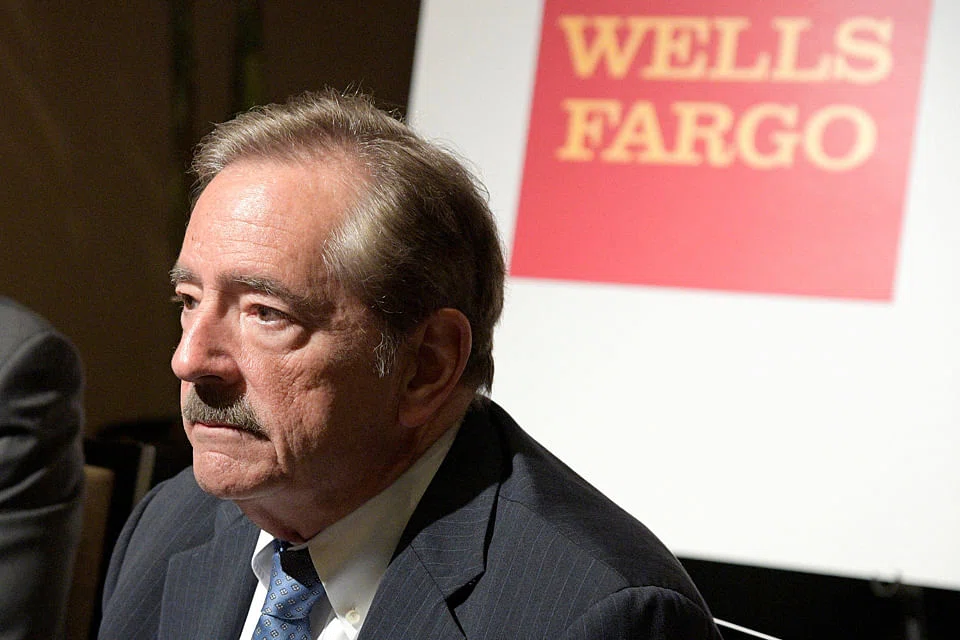
AMID reports on Thursday that Stephen Sanger, chairman of the Wells Fargo board, may step down in the coming months, all eyes are on the bank's directors and their oversight of the troubled institution.
While some Wells Fargo shareholders are urging the bank's directors to sharpen their scrutiny in the wake of continuing misconduct, it's noteworthy that new regulatory guidance put forward by the Federal Reserve Board, would go in the opposite direction. In essence, the Fed says, big-bank board members need to take a load off. After a multi-year review, the regulator concluded that excessive regulatory duties are hobbling bank boards and distracting directors from the more important work of guiding bank strategy and adopting effective governance.
And it proposed guidance to fix the problem. Unfortunately, this proposal - which could go into effect after a 60-day comment period - is very likely to reduce crucial interactions between bank examiners and bank boards, current and former bank regulators say.
Designed to lighten a regulatory burden, the Fed's idea could result in less information for directors about problems that government overseers have uncovered at an institution. And the reduced board involvement would give more leeway to bank executives to tackle regulatory flaws quickly - or not.
As disclosures about fresh improprieties at Wells Fargo stream in, now seems an odd time to reduce communications between regulators and bank boards. In recent weeks, Wells has been forced to disclose that it pushed vehicle insurance on customers who did not need it, that it failed to refund insurance money owed to people who paid off their car loans early and that the number of fraudulent accounts created by its staff was likely to "significantly increase" from the 2.1 million that the bank had previously estimated.
The Fed is not the only government entity that thinks bank directors are under duress. A recent report from the Treasury Department said that regulators' expectations of bank boards should be reformed "to restore balance in the relationship between regulators, boards, and bank management". The Fed's recommendations are the result of work that predated the Trump administration, but they certainly dovetail with its broad deregulatory agenda. In 2014, Daniel K Tarullo, a former Fed governor, outlined the need for change in this area. He resigned from the Fed in April.
The new Fed guidance is emerging as bank directors say they are overwhelmed by minutiae in their jobs. They often blame heightened regulation required by the Dodd-Frank Act, the law that aimed to forestall a future financial crisis.
A Fed spokesman declined to comment on the proposal; the agency has asked the public to submit views on the concept. Here's what the Fed wants to change: Currently, its examiners report all regulatory matters requiring corrective action to a bank's board as well as its senior management. As the Fed explained in 2013, "communication of supervisory findings to the organisation's board of directors is an important part of the supervision of a banking organisation". Now the Fed seems to view such findings as too much information for bank directors.
So, under the proposed guidance, it will be up to senior management to keep the institution's board apprised of its efforts and its progress to remediate matters requiring attention. Such matters would only be directed to the board for corrective action when senior management fails to take appropriate remedial action or when the board needs to address its corporate governance responsibilities, the Fed said.
Sheila C Bair, a former chairwoman of the Federal Deposit Insurance Corp, said she thought it was positive that the Fed was trying to clarify lines between a bank's board and its management. But, she said, the rule proposed by the Fed is flawed.
"Leaving to management the decision to share supervisory findings with the board strikes me as problematic," Ms Bair said. "I think bank examiners feel their findings have more weight with management when the board is also in the loop."
Even the best-managed banks make regulatory stumbles that should interest their directors. For example, a 2014 study by the FDIC found that over the four years ending in December 2013, almost half of FDIC examination reports on satisfactorily-rated institutions contained at least one matter that required attention from the bank's board.
Although the FDIC supervises smaller banks than the Fed does, its findings were telling. Most of the matters requiring board attention - 70 per cent - pertained to the institutions' loans, the study showed.
The second-largest category of items requiring board attention was board and management oversight, the FDIC said. Problems included banks that didn't have an audit plan that reflected the institution's risk profile and entities that needed increased board or management oversight of their audit functions, better strategic planning and improved oversight of operational weaknesses.
The FDIC concluded that 80 per cent of the time, bank managers satisfactorily addressed issues the regulator had cited. "Management's and directorates' willingness and ability to effectively address weaknesses and risks are critical to the financial health of the institution," the study's authors concluded.
Ms Bair, the former FDIC chairwoman, suggested that the Fed change its proposal to keep the lines of communication open between examiners and bank directors. "If the board is accountable for management remediation of supervisory findings, the board needs to know what those findings are," she said. "On the other hand, boards shouldn't be directly involved unless the findings relate to governance. If that is the distinction the Fed wants to make clear, perhaps a better approach would be to address the letters to management, but copy the board or, at least, the risk and compliance committee."
During the mortgage debacle that began about a decade ago, we learned just how little some bank directors knew about the looming problems at their institutions. Financial regulators failed in their watchdog roles as well. While those events are behind us and banks are healthier now, reducing the information flow between bank boards and their examiners just doesn't seem smart. NYTIMES
TRENDING NOW

He built the Vingroup empire. Now South-east Asia’s richest man is handing some key roles to his sons

Seatrium allocates S$200 million for new share buyback programme

32 companies, 6 individuals bag accolades at Singapore Corporate Awards 2026

Stocks to watch: Mapletree Logistics Trust, Seatrium, Keppel DC Reit, Food Empire

