Fed won’t influence Thailand’s rate path, governor says
 Add BT as a preferred source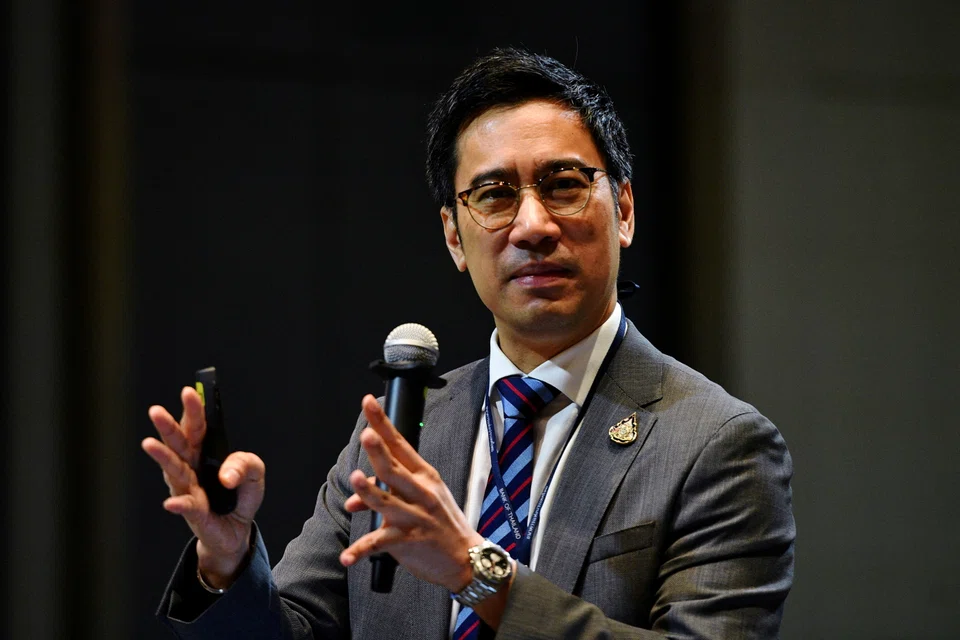
DeeperDive is a beta AI feature. Refer to full articles for the facts.
THAILAND’S central bank will stick with its “gradual and measured” policy tightening path even as peers resort to large interest-rate increases to keep pace with the US Federal Reserve, according to Governor Sethaput Suthiwartnarueput.
“If we see economic conditions warrant that we pause, we will pause. If it warrants a larger hike, like a 50-basis point hike we will do so,” Sethaput said in an interview with Bloomberg Television’s Haslinda Amin and Rishaad Salamat on Wednesday (Aug 24). The Bank of Thailand, which raised borrowing costs by a quarter-point this month after lagging peers by several months, isn’t behind the curve, he said.
With two more rate meetings to go this year, Sethaput signalled that the BOT need not worry about the Fed’s moves nor the actions of emerging Asian peers that have employed larger hikes to shield their currencies and forestall imported inflation.
The sustainability of tourism recovery is what worries Sethaput the most. He takes comfort in expectations that foreign visitors will probably exceed 8 million this year and that will support a gross domestic product growth of around 3 per cent in 2022 and 4 per cent in 2023. The nation is on a path to sustainable recovery, Finance Minister Arkhom Termpittayapaisith said separately.
Southeast Asia’s second-largest economy, which hosted 40 million foreign travelers yearly before the pandemic, has so far lagged neighbours Philippines, Malaysia and Indonesia in the recovery from the pandemic amid a hit to tourism, which accounts for some 12 per cent of GDP and 20 per cent of employment.
Thailand is the only country that has increased its policy rate even before output has returned to pre-Covid level and in that aspect “we might be ahead of the curve compared to our peers,” Sethaput told Bloomberg Television.
Navigate Asia in
a new global order
Get the insights delivered to your inbox.
While inflation hovering at the fastest pace in 14 years is “uncomfortably high,” it’s primarily supply-driven and should ease back to target by the middle of 2023 as commodity prices cool, he said.
Still, it adds pressure on the BOT to do more to rein in price gains, currently at 7.6 per cent, without further hurting the economy’s growth already on course to be the slowest in Southeast Asia. Sethaput said he’s closely-watching the rising trend in core inflation and monitoring any demand-side pressures.
Chances that the BOT would implement an aggressive rate hike is low but if it sees an evidence of a wage price spiral, then authorities can adjust the pace of normalisation, the governor told reporters separately.

In his speech earlier on Wednesday, the governor said that while the Fed tightening is a concern to the extent that it affects the currency, it doesn’t keep him up at night. The central bank tries to curb excessive volatility in the baht so it won’t be disruptive to businesses.
The Fed’s rate path isn’t the only risk for the baht. Growing uncertainty over the term of Prime Minister Prayuth Chan-Ocha is a threat to the currency, already the worst performer in Asia this week. The baht was down 0.1 per cent to 36.158 per dollar at 2.19 pm local time.
“Exchange rate pass through in terms of headline inflation in Thailand is extremely low,” Sethaput said, adding that it’s “not a major source of inflation.” He also debunked reports that the baht had been weakening because of outflows, citing a US$4.8 billion inflows into stocks and bonds so far this year. BLOOMBERG
Decoding Asia newsletter: your guide to navigating Asia in a new global order. Sign up here to get Decoding Asia newsletter. Delivered to your inbox. Free.
Share with us your feedback on BT's products and services