

Fed's Clarida: global central banks should not coordinate policy
 Add BT as a preferred source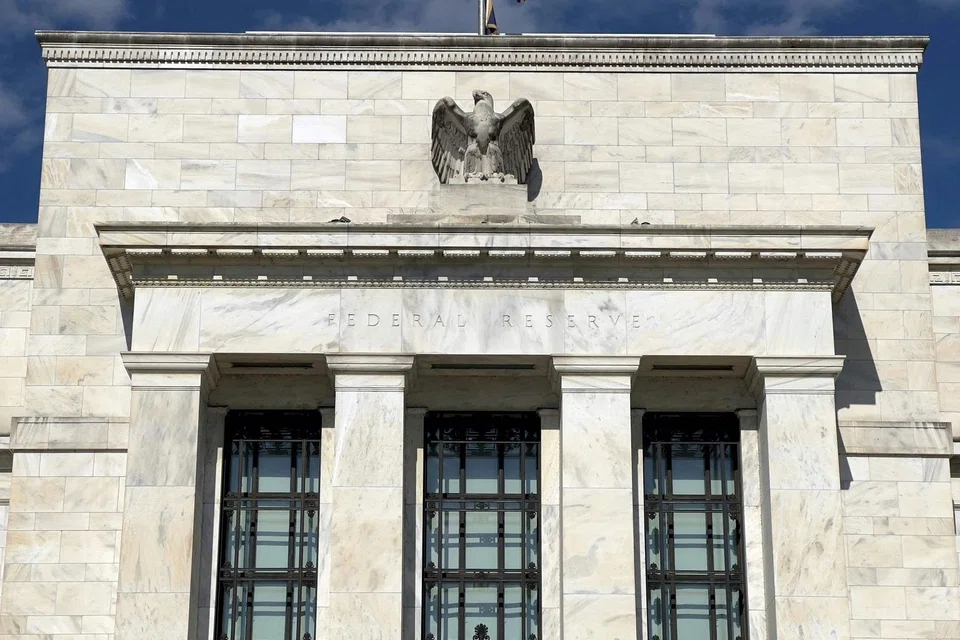
DeeperDive is a beta AI feature. Refer to full articles for the facts.
[SAN FRANCISCO] Central banks in different countries can usefully share analysis and may adopt similar policies in response to common global shocks, but explicit coordination would likely do more harm than good, Federal Reserve Vice Chair Richard Clarida said on Friday.
"Adopting formal global monetary policy cooperation could plausibly erode central bank credibility and public support for central bank independence," he said in remarks prepared for delivery to the 2021 Asia Economic Policy Conference.
Clarida did not use his speech to directly address the key question of the day - whether the Fed should respond to high inflation by raising interest rates faster than it has suggested it will, and as Fed Governor Christopher Waller urged it do in a separate event on Friday.
But his views may give some insight into his thinking and the Fed's on how the US central bank may position its policy given that other central banks, including the Bank of England, are signaling they will soon raise rates.
To each central bank his own, was Clarida's message - though sometimes, they will act in what looks like a coordinated manner simply because they are experiencing similar pressures.
Each central bank has a slightly different mandate, so even defining joint goals would be difficult, he said.
Navigate Asia in
a new global order
Get the insights delivered to your inbox.
And even if shared targets could be agreed, he noted,"central banks would have a hard time maintaining credibility and independence as well as communicating a policy that raised home interest rates aggressively not because home inflation is too high but because foreign inflation is!"
Clarida also noted that central banks are not immune to each other's policies - and that not only do US policy changes affect foreign economies, but equally monetary policy shifts in other countries can affect the US economy and even force a Fed response.
By way of example, he pointed to China's currency devaluation in 2015 and the delay it caused to the Fed's plans to raise rates then.
REUTERS
Decoding Asia newsletter: your guide to navigating Asia in a new global order. Sign up here to get Decoding Asia newsletter. Delivered to your inbox. Free.
Share with us your feedback on BT's products and services
TRENDING NOW

StarHub hands Ensign InfoSecurity control back to Temasek in S$115 million deal, books S$200 million gain
Singaporeans can now buy record amount of yen per Singdollar

Air India asks Tata, Singapore Airlines for funds after US$2.4 billion loss

Keppel DC Reit posts 13.2% higher Q1 DPU of S$0.02833 on strong portfolio performance

