

Former Japan currency chief says FX intervention should be backed by rate hikes
Nakao warned that the yen could weaken further if the BOJ was slow to raise interest rates
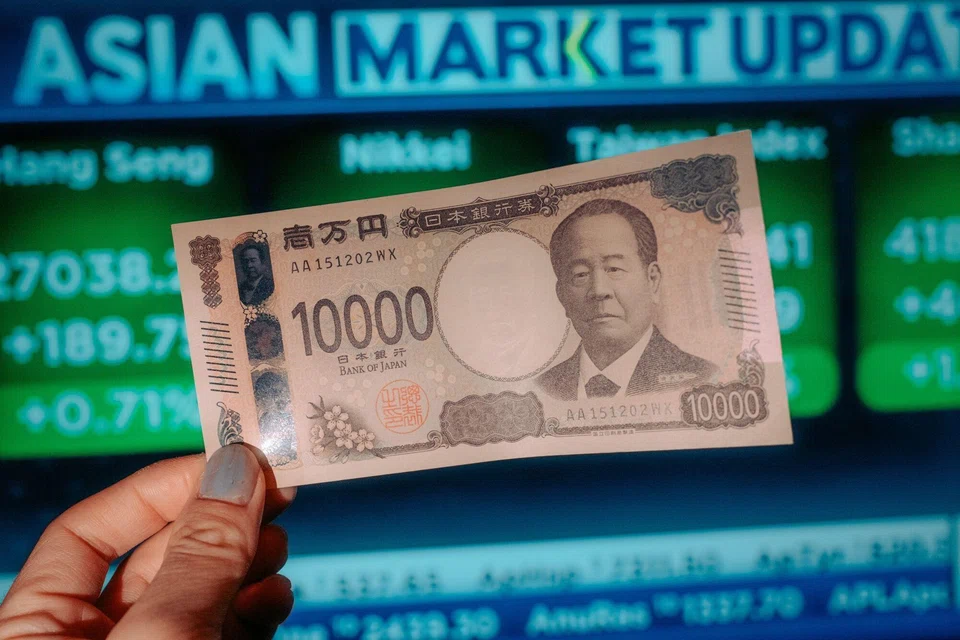
[TOKYO] Currency intervention using Japan’s foreign exchange reserves can deliver an immediate jolt to markets, but its impact would be more durable if accompanied by steady rate hikes, a former top currency diplomat told Reuters.
Takehiko Nakao, who served as vice-finance minister for international affairs between 2011 and 2013, made the remarks as the yen resumed its decline with Japan’s election campaign entering its final stretch ahead of Sunday’s vote.
“Intervention using actual funds can have a strong impact on markets, but its effects will be more lasting if the Bank of Japan also demonstrates a clear commitment to steadily raising interest rates,” said Nakao, currently chairman of the Centre for International Economy and Strategy.
The central bank raised its short-term policy rate to 0.75 per cent in December and has signalled its readiness to keep pushing up borrowing costs. But real borrowing costs remain deeply negative with inflation exceeding the BOJ’s 2 per cent target for nearly four years.
Nakao blamed the yen’s weakness on the BOJ’s still-accommodative stance, saying the slow pace of rate hikes has left Japan’s inflation-adjusted interest rates markedly negative and US-Japan rate differentials wide.
“By responding appropriately to inflation through rate hikes, it may also be possible to curb excessive jumps in long-term government bond yields,” he added.



The former diplomat warned that the yen could weaken further if the BOJ is slow to raise interest rates, citing the nomination of Kevin Warsh as the next Federal Reserve chair.
“Warsh is likely to adhere to the tradition dating back to former Treasury Secretary Robert Rubin that a strong, stable dollar is in the United States’ interest,” he said. REUTERS
Decoding Asia newsletter: your guide to navigating Asia in a new global order. Sign up here to get Decoding Asia newsletter. Delivered to your inbox. Free.
Share with us your feedback on BT's products and services
TRENDING NOW

Once staunchly pro-China, Malaysian Chinese businesses are now distancing themselves from Beijing

Looking beyond looming CEO succession, should UOB potentially pursue a transformative merger?

Could stablecoins be the future of money?

Grab CEO’s wife Chloe Tong on life with Anthony Tan and finding her purpose

