

Heavyweight investors sit out Deliveroo IPO, citing gig-economy concerns
Complaints over share structure overshadow strong demand for shares
 Add BT as a preferred source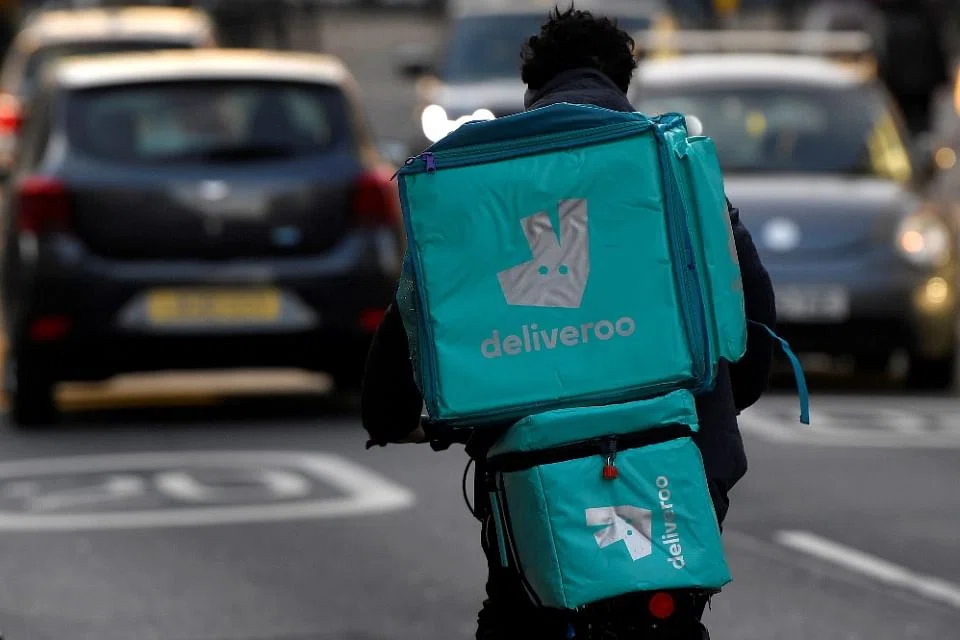
DeeperDive is a beta AI feature. Refer to full articles for the facts.
London
WHEN food delivery firm Deliveroo joins the London stock market on Wednesday, it will be Britain's biggest listing in a decade, even though some of the country's leading investors will be conspicuous by their absence.
British Finance Minister Rishi Sunak has hailed the company's decision to go public in London as a "true British tech success story", and said he hopes it will set the stage for more listings by fast-growing technology companies.
But strong demand for the initial public offering (IPO) - it was fully subscribed within hours of the order book being opened - has been overshadowed by complaints over its share structure, questions about potential legal problems for its gig-economy business model and the threat of strike action from some of its workers.
Heavyweight investors Aberdeen Standard Life, Aviva, Legal & General Investment Management and M&G are sitting this one out, citing concerns about gig-economy working conditions and the outsized voting rights that will be handed to founder Will Shu. Some of them also question whether the loss-making business can ever justify its valuation. Having initially looked for up to £8.8 billion (S$16.3 billion), the British tech firm on Monday went with a narrower price range, indicating a maximum valuation of up to £7.85 billion.
One question is whether the Amazon-backed company will face the kind of clampdown experienced by Uber over the employment status of its staff. "Deliveroo's narrow profit margins could be at risk if it is required to change its rider benefits to catch up with peers, in an industry that is already facing severe competitive pressure between the large tech platforms," said Andrew Millington, head of UK equities at Aberdeen Standard Investments.
Navigate Asia in
a new global order
Get the insights delivered to your inbox.
Deliveroo has seen demand soar during the pandemic as restaurants were closed for several months of the last year. Its self-employed riders have often outnumbered other traffic in cities during lockdown.
Many riders do not work every day. Deliveroo riders are classed as self-employed contractors, and earn a fee for every job. Employees, by contrast, are entitled to the minimum wage, sick pay and holiday pay. Deliveroo says its riders are self-employed because this gives them the freedom to choose when and where to work.
Some critics questioned whether Deliveroo can maintain its growth when restaurants reopen and younger consumers no longer have to eat at home. But Tim Vasilakis, founder of Greek street food vendor The Athenian in Shoreditch, east London, said customers' habits had changed for good. "It is a valid business model, and I think it's proven itself now," he said. "I think the pandemic just accelerated something that was already happening."
Three years ago, he agreed to an exclusive deal with Deliveroo, resulting in lower commission and the chance to use the company's "dark kitchens", where food is prepared by chefs in delivery-only facilities. The Athenian set up its first dark kitchen in Battersea, London, just before the pandemic hit. Sales were comparable to some of the group's eight bricks-and-mortar restaurants, he said.
Deliveroo - which is battling competitors, such as Uber Eats, Just Eat and Takeaway.com - lost £226.4 million in 2020 despite the pandemic boost. REUTERS
Decoding Asia newsletter: your guide to navigating Asia in a new global order. Sign up here to get Decoding Asia newsletter. Delivered to your inbox. Free.
Share with us your feedback on BT's products and services
TRENDING NOW
StarHub hands Ensign InfoSecurity control back to Temasek in S$115 million deal, books S$200 million gain
Singaporeans can now buy record amount of yen per Singdollar
Air India asks Tata, Singapore Airlines for funds after US$2.4 billion loss
Keppel DC Reit posts 13.2% higher Q1 DPU of S$0.02833 on strong portfolio performance

