Hedge fund star’s bullish turn points to end of China stock rout
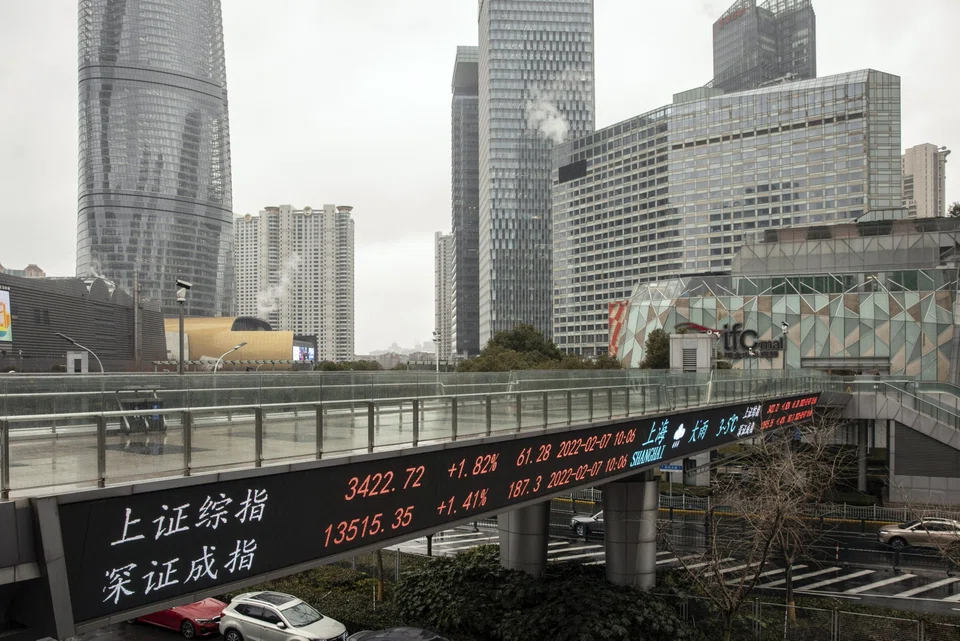
A TOP-PERFORMING Chinese macro hedge fund that held zero stock exposure earlier this year is turning more positive, saying a benchmark index has probably seen its low for the year though volatility will persist.
Shanghai Banxia Investment Management Center rebuilt long positions to as much as 65 per cent in early May after steep declines last month pushed stock valuations to historical lows, founder Li Bei said. The fund has since trimmed some holdings and pocketed gains.
“I’m certainly more bullish,” Li, whose fund manages more than 5 billion yuan (S$1 billion), said in a phone interview May 25, adding that the recent rally has helped Banxia to erase this year’s losses. “We’re not yet in a bull market, but no longer in a bear market either. Stocks will probably fluctuate for the next few months.”
Just last month Li, whose fund topped local rankings in 2020 with a 258 per cent gain, had said this year “could be even worse for fund managers than 2008”, when government bonds had provided investors refuge from the financial crisis.
The remarkable change in outlook from a star local fund manager illustrates how rapidly sentiment in China is shifting as authorities start to relax some of the strictest virus controls of the pandemic and move to stimulate the country’s faltering economy.
Li’s newfound optimism is based on a combination of the sell-off running out of steam, historically low valuations, and growing positive signals ranging from better liquidity to a stronger outlook for China’s exports, she wrote in a WeChat article May 9.
As of early May, stock valuations had already exceeded the worst economic forecasts, suggesting record-high potential returns from Chinese equities, she wrote.
Her comments came after the CSI 500 Index, a benchmark widely tracked by local hedge funds, lost 24 per cent in the first 4 months. It closed at a 2-year low Apr 26 and has since climbed 14 per cent.
Li cautions that foreign investors may yet dump their China equities holdings, many of which are in the large cap-heavy CSI 300 Index, as rising yields in the US, a weakening yuan and an economic slowdown in the world’s most populous nation tip the balance. Banks and discretionary consumer companies in particular, which are heavyweights in the gauge, are exposed to shrinking interest margins and weakened consumer demand from the nation’s Covid Zero policy, she said.


Li’s Banxia Macro Fund, which jumped 60 per cent last year, lost about 7 per cent in the first quarter.
A small but growing group of investors and analysts are calling a bottom for Chinese markets after strict lockdowns prompted banks including JPMorgan Chase & Co and Goldman Sachs Group to slash their growth forecasts for the economy. Some of those concerns are starting to abate as Shanghai, the epicentre of the latest Covid outbreak, rolled out a raft of measures to support a return to normalcy on Sunday (May 29).
There were several indications that the selloff had exhausted its momentum, Li said in the WeChat article, helping her time Banxia’s stock purchases to capture the rally. Insurers’ stock positions were at near historical lows, and forced selling by hedge funds along with the unwinding of margin-financed portfolios was almost done, she wrote. BLOOMBERG
Decoding Asia newsletter: your guide to navigating Asia in a new global order. Sign up here to get Decoding Asia newsletter. Delivered to your inbox. Free.
Share with us your feedback on BT's products and services