

Higher interest rates no hindrance to innovation, say industry watchers at Davos

Joan Ng
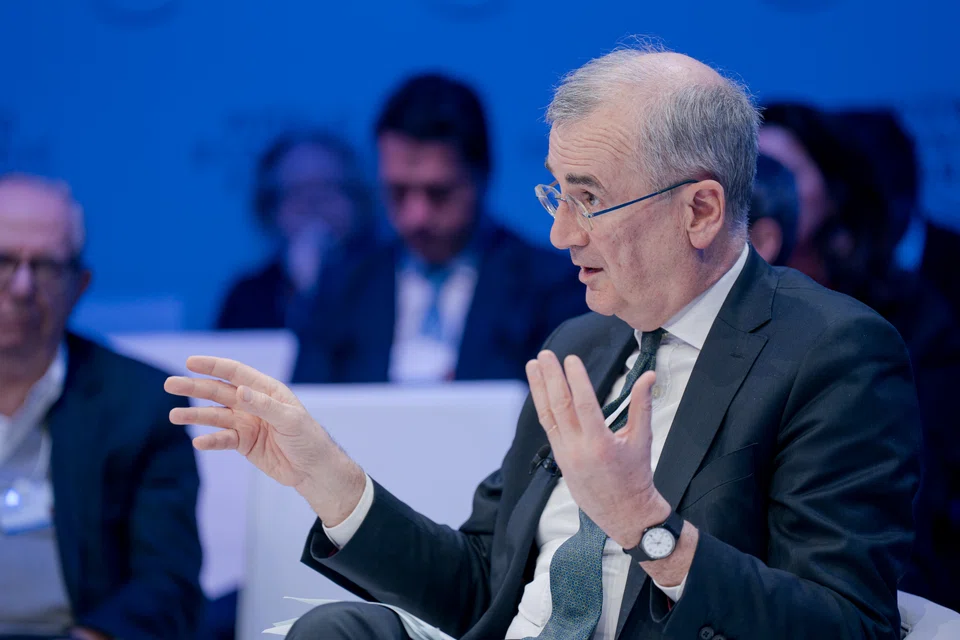
[DAVOS] FEARS that a high-interest-rate environment will hinder innovation or private capital investment are overblown, according to private investors and financial regulators attending the World Economic Forum. But they do see room for some correction of valuations, and for more regulation in some parts of the financial ecosystem.
Central bankers are sometimes criticised for raising interest rates, with the argument that this will kill or diminish innovation, said Francois Villeroy de Galhau, governor of the French central bank.
Higher rates also mean a higher cost of capital, which has caused some investors to turn more cautious and pushed some startups to tighten their belts.
“(But) if innovation relies or relied on extremely low interest rates, frankly, it’s very fragile,” Villeroy said at a panel on Wednesday (Jan 18) discussing the role of finance in a recovery. “We didn’t raise interest rates to correct this overvaluation. But if it happened, frankly, it’s not a catastrophe.”
Roelof Botha, managing partner at venture capital (VC) firm Sequoia Capital, was in agreement. “One of my favourite questions I ask an entrepreneur when I first meet them is: ‘What’s the inspiration, what was the eureka moment that gave rise to you wanting to start this company?’ And I can tell you that in 20 years, I’ve never heard once somebody say: ‘Interest rates are low.’”
Botha, who was involved in Sequoia’s investments in YouTube, Instagram and payments platform Square, noted that great investments have been made when interest rates were much higher.
Sequoia invested in Apple in 1978, when interest rates were over 8 per cent. When it invested in Google in 1999, interest rates were higher than 5.5 per cent.
He does see some room for correction in the private markets. “Just because you haven’t got on the scale recently doesn’t mean your weight hasn’t changed.”
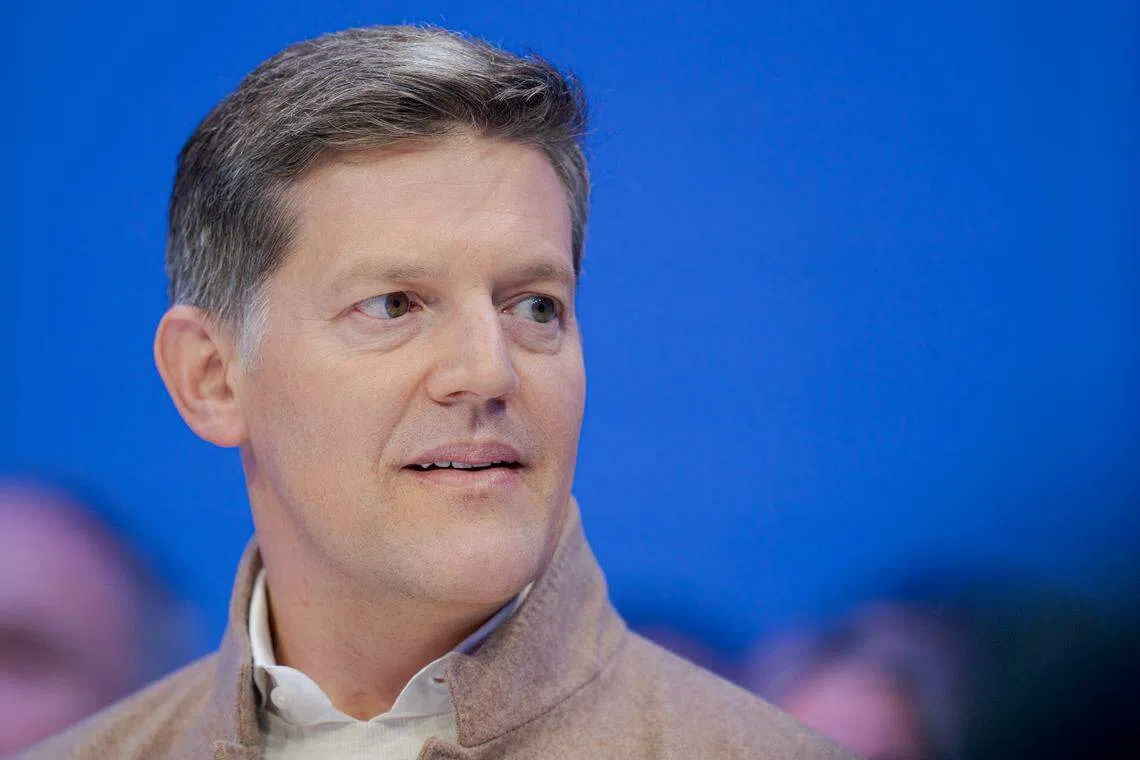
But he noted, also, that failure rates have always been high for VCs. “Might it be slightly higher in this cycle? Possibly. But there are wonderful ideas. These people are building incredible businesses,” he said.
Botha was more concerned about over-regulation that could stifle innovation. While working with Square on the onboarding of merchants, he said: “We felt like we were asking for forgiveness the whole time, and it was too slow to ask for permission.”
The one space where he would like to see more regulation is cryptocurrencies – a sentiment echoed by Villeroy and several other speakers at an earlier panel on the banking system in the recovery.
Villeroy noted that financial regulators had reacted to the Global Financial Crisis by focusing on the regulation of banks. Now, they will have to turn their attention to non-banks.
Some of the major episodes of financial instability in the past year have emerged from the non-bank sector. Among them, a sell-off in gilts last year by the United Kingdom’s pension funds, and the domino effect from the bankruptcy of crypto exchange FTX.
Villeroy said regulating the non-bank financial sector is more difficult because it is a “very evolving landscape”. But he added that efforts are underway to do so, and there was no question about the need for regulation.
That declaration was welcomed by Colm Kelleher, chairman of Swiss bank UBS, who said a regulatory framework would help UBS accommodate its clients who are looking to invest in crypto.
Singapore’s Senior Minister Tharman Shanmugaratnam, however, disagreed and cautioned against any need to regulate the crypto space beyond the prevention of money laundering.
Regulation, Tharman said, risked legitimising a “purely speculative” and “slightly crazy” asset. He proposed that crypto investors should instead be offered “ultra clarity” about the risks they incur in an unregulated market.
He added: “To start getting into a game of regulating, whether it’s ostrich eggs or crypto or anything else, it’s going to be a never-ending game.”






