

HKMA says financial system strong; Exchange Fund Q3 investment income drops
 Add BT as a preferred source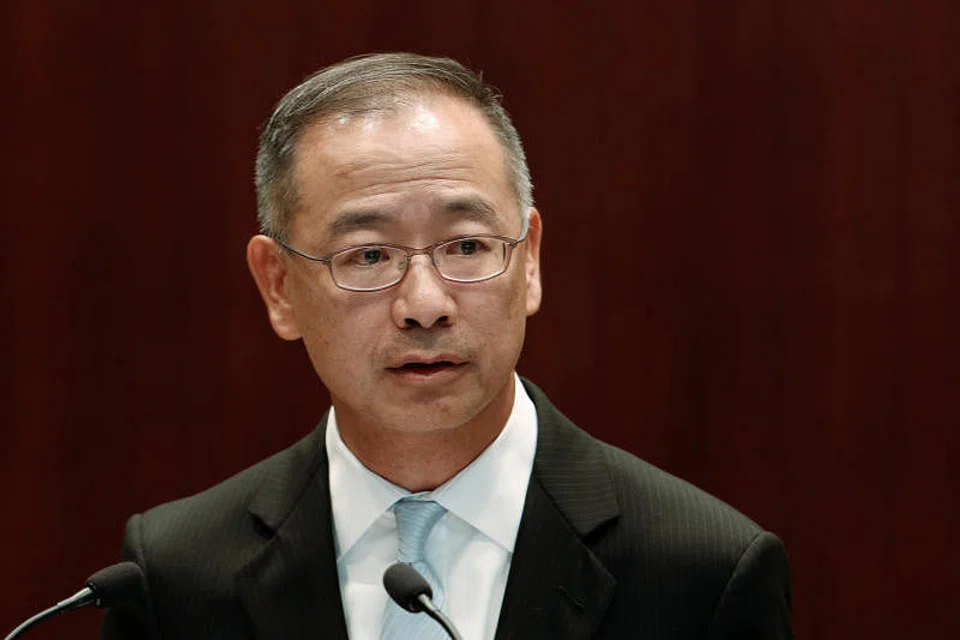
DeeperDive is a beta AI feature. Refer to full articles for the facts.
[HONG KONG] Hong Kong's banking system is in strong shape and dollar peg does not need to change, the Hong Kong Monetary Authority (HKMA) said on Monday, dismissing rumours that months of often violent protests have undermined the city's financial stability. Hong Kong slid into recession for the first time in a decade in the third quarter amid protests against what is seen as Beijing's tightening grip on the Asian financial centre.
HKMA Chief Executive Eddie Yue said the Authority had the commitment and ample resources to maintain city's monetary and financial stability and there was no need to change the peg of the Hong Kong dollar to the U.S. dollar.
"Hong Kong dollar has been stable, the Linked Exchange Rate System (LERS) will not and does not need to change," Mr Yue said during a presentation at the Legislative Council of Hong Kong, or LegCo.
He urged the public not to listen to rumours aimed at spreading unease.
"Hong Kong will not implement capital and foreign exchange control," Yue said, reiterating there has been no noticeable fund outflows from the Hong Kong banking system during the quarter.
Hong Kong's Exchange Fund, which is used to back the Hong Kong dollar, posted a 55 per cent drop in third quarter investment income from the previous quarter.
Navigate Asia in
a new global order
Get the insights delivered to your inbox.
The HKMA is the key manager of the Exchange Fund, which is under the control of the financial secretary and invests in equities, bonds, foreign exchange and other securities and assets.
The Exchange Fund posted an investment income of HK$20.2 billion (S$3.5 billion) compared with an investment gain of HK$9.5 billion in the year earlier period.
The Exchange fund recorded an investment income of HK$198.6 billion in Jan-Sept period this year, up 346 per cent from the same period in 2018.
The Fund saw gains on bonds of HK$106.3 billion for the first nine months, a jump of 264 per cent from a year earlier.
However, Hong Kong equities recorded an HK$12.3 billion investment loss in the third quarter, the second quarterly loss in a row.
MACAU COMPETITION
As part of China's plan to integrate Hong Kong and cities in neighbouring Guangdong province, Macau has been exploring setting up a yuan-denominated stock market, Reuters reported in June.
Mr Yue said Hong Kong had experimented with yuan shares before, but the lack of liquidity versus Hong Kong Dollar stocks made it challenging, and there was also question over whether the local yuan pool was large enough to support this market.
"We have been studying with the (Hong Kong stock) exchange and Securities Futures Commission on whether there is the room or opportune moment to allow more Hong Kong's renminbi-denominated shares, to allow (this market) to better flourish."
Global index providers such as MSCI have added yuan-denominated assets to their widely-tracked benchmarks in recent years.
REUTERS
Share with us your feedback on BT's products and services
TRENDING NOW
Autobahn Rent A Car directors declared bankrupt over S$50 million each owed to DBS
Higher costs, lower returns: Why are Singaporeans still betting on real estate?

Richard Eu on how core values, customers keep Singapore’s TCM chain Eu Yan Sang relevant
Loyang Valley sold for S$880 million to SingHaiyi-led consortium

