

Hong Kong’s yuan-denominated stock trading plan gets support
 Add BT as a preferred source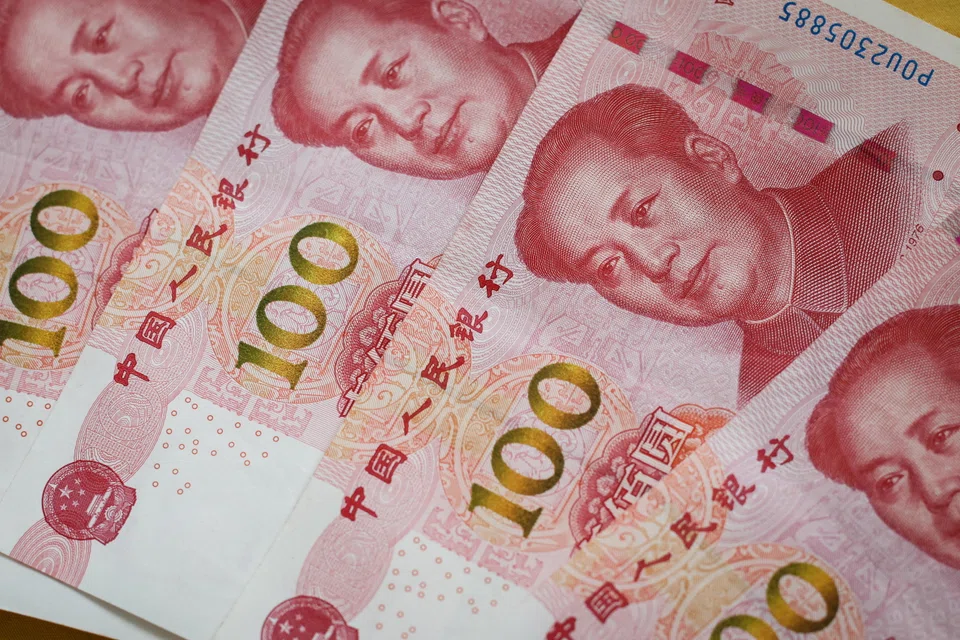
DeeperDive is a beta AI feature. Refer to full articles for the facts.
THE Hong Kong government’s plan to trade yuan-denominated shares for companies listed in the city has attracted support from major businesses, despite concerns about the weakening Chinese currency.
The Hong Kong government is preparing to create yuan shares in the stock-connect programme by setting up a market-maker system in the first half of next year, Christopher Hui, secretary for financial services and the treasury said on Monday (Oct 3). The government will submit a bill to lawmakers by the end of this year to exempt market-makers from paying stamp duty when they are providing liquidity for yuan shares.
Hong Kong Exchanges & Clearing said the proposal would support the development of Hong Kong as an offshore yuan-funding hub and add new liquidity. Bank of China, Ping An Insurance Group, CNOOC, Sun Hung Kai Properties and New World Development voiced support for the initiative in separate statements to the media.
Ken Cheung, chief Asian FX strategist at Mizuho Bank in Hong Kong, said: “It is a step to make onshore investors more comfortable in outbound investment by reducing currency risk. It’s also a step for yuan internationalisation and capital account opening.”
Hong Kong has been trying to build itself as a hub for offshore yuan trading by introducing more products denominated in the Chinese currency. But the previous endeavour to introduce a system known as “dual tranche, dual counter” to allow yuan-denominated shares failed to lift off.
The only company to adopt the structure since the inception a decade ago, Shenzhen Investment Holdings, saw most of its trading conducted in the freely convertible Hong Kong dollar despite having a yuan option.


Navigate Asia in
a new global order
Get the insights delivered to your inbox.
The current drop in yuan could also make the new proposal less appealing to traders. The Chinese currency has dropped near 11 per cent against the dollar this year.
Hao Hong, Hong Kong-based partner and chief economist at hedge fund Grow Investment Group, said: “Mainland investors won’t be interested, not only because of the weaker yuan, but also because the sentiment of the Hong Kong market is in despair. Right now, the yuan is weak, while the Hong Kong dollar is pegged to the US dollar, which makes it even more expensive to buy HK stocks, so if it’s launched now, I doubt it will rouse too much interest from mainland investors.” BLOOMBERG
Decoding Asia newsletter: your guide to navigating Asia in a new global order. Sign up here to get Decoding Asia newsletter. Delivered to your inbox. Free.
Share with us your feedback on BT's products and services
TRENDING NOW

Autobahn Rent A Car directors declared bankrupt over S$50 million each owed to DBS

Amazon’s MGM Studios gains creative control over ‘James Bond’ franchise

UOB’s Wee Ee Cheong says S$4.9 billion Citi deal ‘paying off’ as Asean push accelerates
In taxing wealth, how far can Singapore push property owners?

