

HSBC mulls HQ move: China ties, taxes are key
Formal review could take 6 months of discussions
London
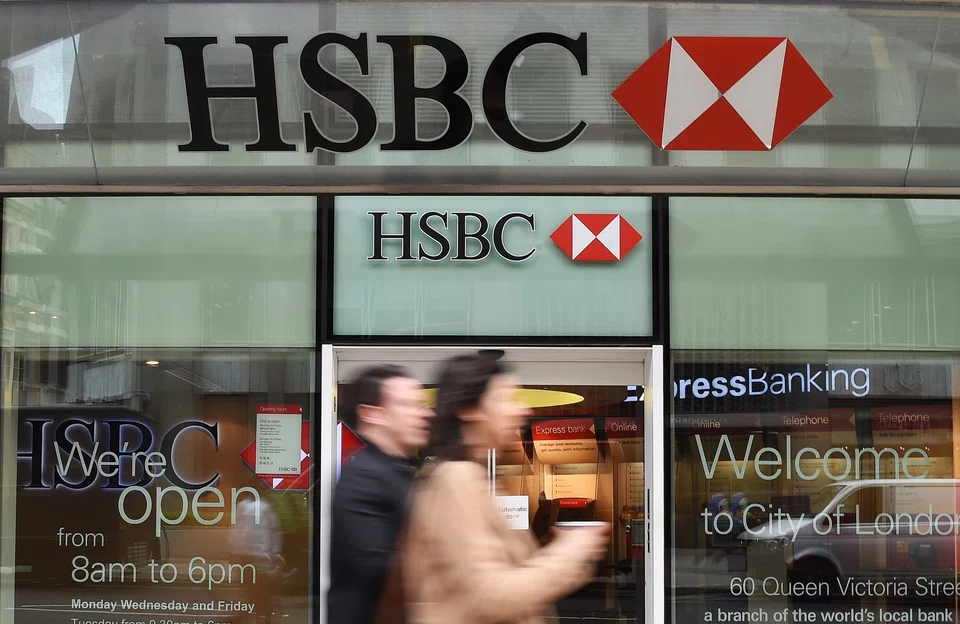
IN 1990, an assessment called Project Rainbow paved the way for HSBC to move from Hong Kong to Britain. As Europe's biggest bank now considers moving back, the same exercise offers clues to its final decision, say industry sources and analysts.
Project Rainbow assessed HSBC's future base by considering whether it was operationally effective, tax efficient, politically acceptable, consistent with bank regulatory requirements, in the best interests of shareholders and compatible with any future merger of HSBC and the Midland Group.
After HSBC said that its formal review of whether to change headquarters again could take six months of complex discussions, industry observers are looking to previous decision-making criteria to try to forecast its final decision.
How easily chief executive Stuart Gulliver can keep his new structure intact is a major consideration, particularly after his work in the last four years to cut costs, improve profitability and simplify operations following a string of scandals partly blamed on a lack of central control.
Mr Gulliver has also re-established Asia as the bank's heartland, reversing two decades of expansion in Europe and the Americas so that 63 per cent of profits in the last two years came from Asia.
Significantly, HSBC has said that it needs to be positioned "in the best way to support the markets and customer bases critical to our future success". A jump in Britain's bank levy prompted HSBC to consider moving. It will pay some US$1.5 billion under the levy this year - about 7 per cent of expected pretax profits - up from US$1.1 billion in 2014. That could rise to more than US$2 billion if the opposition Labour Party wins power in Britain's May 7 general election because Labour has said that it will increase the levy by £800 million (S$1.6 billion) a year.
UK banks pay the levy - which has been raised eight times since being introduced in 2010 to ensure banks made a "fair contribution" - on all their balance sheet. Overseas banks pay it on their UK assets. If it moved, HSBC would be taxed on about 42 per cent of its assets, potentially saving US$900 million or more a year.
HSBC paid US$7.9 billion in total taxes last year, including US$2.4 billion in Britain and US$1.3 billion in Hong Kong. HSBC initially moved to London following its takeover of Midland Bank, at the insistence of the Bank of England. But insiders at the bank said that the decision had more to do with soothing investors' worries about the future of Hong Kong when it was handed back to China in 1997.
Now, China's relationship with Hong Kong is gearing up to be another key issue for the bank.
Hong Kong's economy has flourished over the last 18 years under a formula dubbed "One country, two systems" whereby the territory kept a separate legal system and greater freedoms. That pledge expires in 2047 and analysts say that there is concern Beijing could start to exert greater control over the territory. Tension over the mainland's existing influence in Hong Kong prompted demonstrations last year.
HSBC's US$2.6 trillion balance sheet, at eight times the size of Hong Kong's economy, means that it would likely need Beijing's backing to move. But closer ties with China could raise questions about HSBC with US regulators, given the bank's importance as a clearing house for US dollar-denominated trade. If it moved out of Britain, HSBC would potentially save US$900 million or more in tax a year. REUTERS
TRENDING NOW
Simba admits exceeding spectrum limits amid failed M1 deal; full-year profits surge 277%

He built the Vingroup empire. Now South-east Asia’s richest man is handing some key roles to his sons

What’s on the agenda when Xi and Trump meet in Washington

Ex-execs of CW Group, Allied Tech charged with offences linked to lawyer’s S$76 million misappropriation

