India banks not paring rates despite central bank easing
Mumbai
INDIA's largest lenders aren't passing on two rounds of monetary easing to borrowers as profitability slides and bad loans surge.
State Bank of India and Bank of Baroda are among 43 of 47 lenders yet to lower base lending rates after the Reserve Bank of India cut its benchmark rate by 50 basis points to 7.5 per cent in two moves this year.
The three-month interbank rate has fallen only seven basis points to 8.58 per cent in 2015. A similar gauge of funding costs in China is at 4.9 per cent.
"So far, the drop in cost of funds isn't enough to allow us to cut lending rates," Ranjan Dhawan, Bank of Baroda's Mumbai-based chief executive, said in a March 12 interview.
"We're walking a thin line," he added. "We have limited scope to cut deposit rates because competition from other savings instruments and rising equity markets is strong."
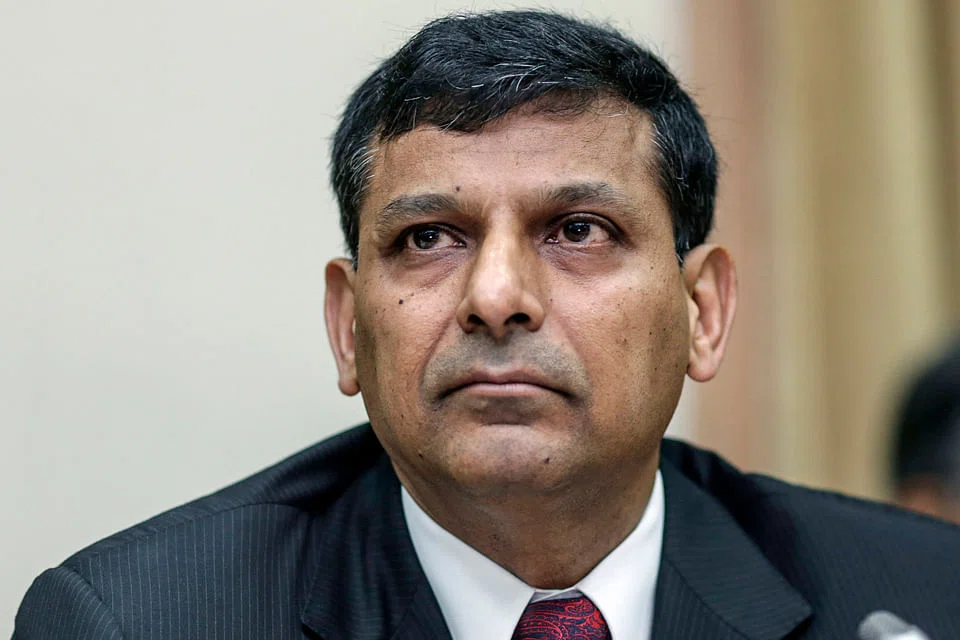
Central bank governor Raghuram Rajan said in his March 4 policy statement that further monetary easing will need prerequisites including "the pass-through of past rate cuts into lending rates" .
Union Bank of India said returns in the banking system have worsened from a seven-year low, and four of the five largest lenders reported higher soured loans in 2014.
"Banks are pressed on the profitability front more than ever before," Arun Tiwari, Union Bank chairman and managing director, said in a March 11 interview. "Lending-rate cuts alone won't spur credit growth."
Profitability, measured by the return on assets in the banking system, fell to 0.81 per cent in the year ended March 2014, the lowest since at least 2007, RBI data show.
Stressed assets, which include bad loans and restructured assets, are set to rise to 13 per cent in the next 12 months, further eroding profitability, according to India Ratings & Research Pvt, the local unit of Fitch Ratings.
Loans in the system grew 10.4 per cent in the 12 months through Feb 20, near the 9.7 per cent pace in September that was the least since October 2009.
The RBI has lowered the proportion of deposits banks must invest in safer assets three times since June, leaving more funds for lending to support growth in Asia's third-largest economy. The statutory liquidity ratio stands at 21.5 per cent.
Banks have limited room to cut deposit rates as competing instruments such as savings plans and post office accounts are offering higher rates, according to Vibha Batra, the New Delhi- based head of financial industry ratings at ICRA Ltd, the local unit of Moody's Investors Service.
State Bank of India, the country's largest by assets, pays 8.25 per cent interest on five-year deposits compared with 8.5 per cent offered by India Post and National Savings Certificates and a 31 per cent surge in the S&P BSE Sensex Index of stocks in the past 12 months. The bank's base lending rate, below which it can't give loans, has been at 10 per cent since November 2013.
The International Monetary Fund estimates that it takes 13 months for 80 per cent of the change in the RBI's benchmark rate to pass-through to interbank funding costs, according to a March 11 report by the Washington- based lender. Transmission to banks' deposit and lending rates takes another 9.5 months and 18.8 months, respectively, the IMF said.
"Most banks may cut lending rates in the September quarter," Hatim Broachwala, a banking analyst at Nirmal Bang Institutional Equities Ltd in Mumbai, said on March 13. "Credit demand is also expected to improve by then."
The average capital adequacy ratio for Indian lenders fell 20 basis points, or 0.20 percentage point, to 12.8 per cent in the six months ended Sept 30, central bank figures show. BLOOMBERG