India looks to raise another 80 billion rupees from second tranche of green bonds
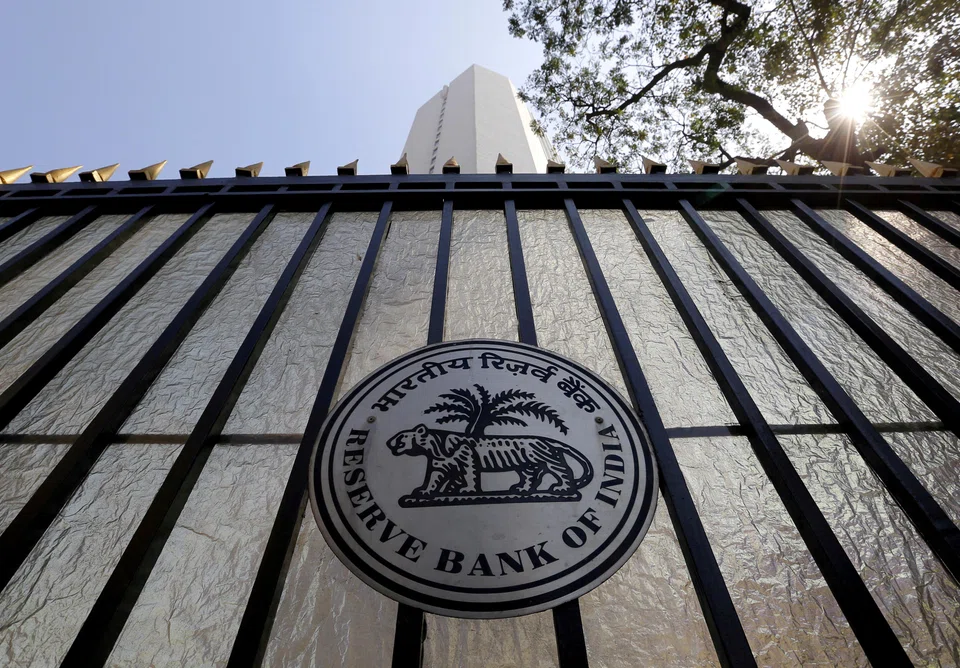
[NEW DELHI] The Indian government announced on Thursday (Feb 9) that it hopes to raise a minimum of 80 billion rupees (S$1.28 billion) through the sale of a second tranche of sovereign green bonds.
The Reserve Bank of India plans to sell 40 billion rupees’ worth of 7.1 per cent 2028 sovereign green bonds, and the same amount of 7.29 per cent 2033 sovereign green bonds. The quantum and tenor are similar to those in the debut auction last month, with the proceeds going towards funding green investments.
Observers say they are waiting to see how this second tranche will perform, given that the participation from foreign investors was low for the debut auction despite there being no restriction on the investment amount. There was a steady demand, however, from domestic institutional investors and retail investors.
Pankaj Pathak, a fund manager of fixed income at Quantum Asset Management, said that local banks and insurance companies “bought aggressively” in the first auction, but there was hardly any participation from foreign investors.
As at Feb 8, only 7 billion rupees out of the 80 billion rupees total in outstanding sovereign green bonds were currently held by foreign investors, he said.
A Reuters report on Thursday quoted senior Indian treasury officials as saying that India’s state-run banks and large state-run insurers would be the likely active buyers in this second green bond issue. Foreigners were also not expected to show major interest, they added.
Experts believe that such bonds are attractive for investors with a mandate to park a certain amount of money in green projects.
Many investors, however, also have alternatives in other Government Security bonds that have higher yields. This is because green bonds do not hold project-related risks – that is, the repayment and interest servicing are not dependent on the performance of the projects financed.
“This premium results in a lower yield or return for investors. There are environmental funds that have the mandate to invest in such green bonds or any green debt, with such investments resulting in benefits for investors,” said Rahul Bhutoria, the director and founder of Valtrust, a bespoke multi-family office.


Local investors, meanwhile, do not have a specific mandate to invest in green bonds.
“It’s difficult to justify the premium on green bonds over the normal Government of India securities,” said Quantum Asset’s Pathak. “The premium pricing for the last auction was based on the hope that foreign investors with specific mandates to invest in such bonds will buy these at an even higher premium. In the absence of foreign participation, the valuation premium of green bonds over normal government bonds will not hold.”
He expects the cut-off yields in the second tranche to be very close to normal Government Security levels, which are currently trading at 7.24 per cent and 7.34 per cent for five-year and 10-year maturities respectively.
Green bonds will get listed on stock exchanges and can be bought and sold in the secondary market. Analysts noted that the liquidity could be low, and that foreign investors will need to factor in currency risks as well.
“We may witness an increase in foreign portfolio investor registrations in the near future, driven by international green commitments. These investors are likely to show interest in participating in India’s green bond market as it gains traction,” said Bhutoria of Valtrust.
The Indian government has set a gross borrowing target of 15.43 trillion rupees for the 2023/2024 financial year, with analysts keeping a close watch on how much of this will eventually be raised via green bonds.
Decoding Asia newsletter: your guide to navigating Asia in a new global order. Sign up here to get Decoding Asia newsletter. Delivered to your inbox. Free.
Share with us your feedback on BT's products and services