

Indian state banks meet to tackle low profitability
Modi, RBI chief and finance minister to attend brainstorming session with bank chiefs and regulators
Mumbai
INDIA'S state-run lenders will probably be the focus of a historic two-day gathering of bank chiefs and regulators as they seek to reverse the companies' lowest profitability rates in at least nine years.
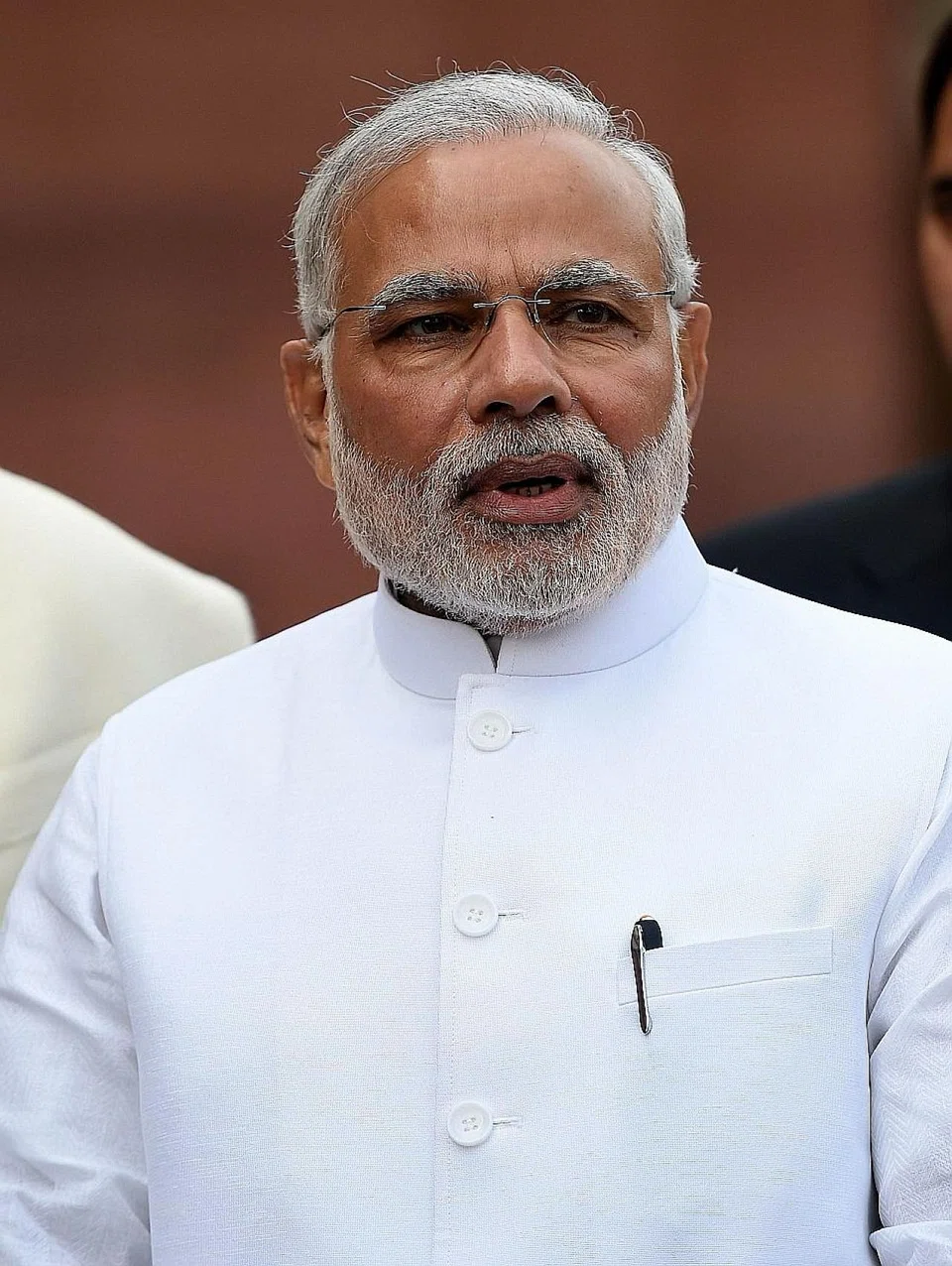
Officials led by Prime Minister Narendra Modi, Reserve Bank of India (RBI) governor Raghuram Rajan and Finance Minister Arun Jaitley were due to start the brainstorming session on Thursday with the heads of government lenders in the city of Pune, near Mumbai, which may result in policies designed to boost earnings and capital ratios, according to Reliance Securities Ltd.
The meeting could help Mr Modi's efforts to bolster the economy by improving the health of lenders that account for more than 75 per cent of loans in India. Higher amounts of soured debt and slower credit growth than private banks dragged state lenders' return on assets to 0.5 per cent in the year to March 31, the lowest since at least 2005, central bank data shows.
"This is the first time we are seeing an event of this proportion," Asutosh Kumar Mishra, a Mumbai-based banking analyst at Reliance Securities, said by phone. "A road map for improving productivity, capital adequacy and profitability at the state-run banks should be coming out of this."
Delegates at the retreat, known as "Gyan Sangam" or "confluence of knowledge", will discuss ways to improve the efficiency and recovery of non-performing loans, the government said in a Dec 24 statement posted on its website. The state-run banks require reforms to "improve and consolidate" their position, according to the statement.
Other topics that will be discussed include the use of technology in banking operations and plans to boost banking services and literacy among more marginalised segments of the population, the statement showed. A draft plan on possible reforms will be presented to Mr Modi on Saturday following the gathering.
"We are not expecting any immediate surprises," Hatim Broachwala, a Mumbai-based banking analyst at Nirmal Bang Securities Pvt, said by phone on Tuesday. "It's going to be a long-term process to turn around the public-sector banks. Hopefully plans to capitalise banks and consolidate them will emerge from this meeting."
Lax underwriting processes at some of the state-run banks are one reason for their higher stressed-asset ratios and declining capital buffers, which also curtail their ability to lend, Mr Broachwala said.
Stressed assets at the government banks, which include soured debt and restructured loans, rose to 12.9 per cent of total lending as of Sept 30, the highest since 2001, RBI data shows. The ratio stood at 4.4 per cent for privately owned banks.
Loan growth at government lenders fell to 8 per cent in the 12 months to September, two percentage points lower than the country's banking system, the data shows.
State-controlled banks will require infusions of 2.4 trillion rupees (S$50 billion) in equity to comply with international standards laid out by the so-called Basel III regulatory regime, Mr Jaitley said on July 10 when he presented his budget to lawmakers. The government has a majority holding in 22 lenders including State Bank of India, which in turn has a majority stake in five other banks.
Bolstering the strength of those banks may help to reverse a slowdown in credit growth, supporting Mr Modi's efforts to boost the economy after winning an election last May. The CNX PSU Bank Index, which tracks 12 government lenders, climbed 67 per cent last year amid optimism an economic revival will curtail sour debt. The benchmark S&P BSE Sensex index gained 30 per cent. BLOOMBERG
TRENDING NOW

Simba admits exceeding spectrum limits amid failed M1 deal; full-year profits surge 277%

He built the Vingroup empire. Now South-east Asia’s richest man is handing some key roles to his sons

What’s on the agenda when Xi and Trump meet in Washington

Ex-execs of CW Group, Allied Tech charged with offences linked to lawyer’s S$76 million misappropriation

