

India’s central bank keeps rates on hold after US trade deal
The central bank has now cut rates by a total of 125 basis points since February 2025
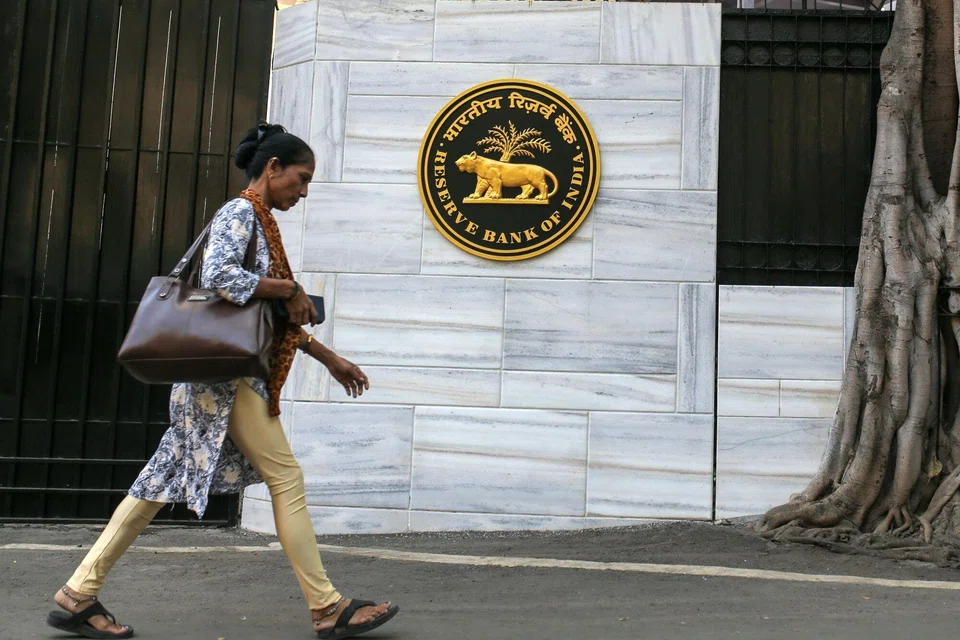
[MUMBAI] The Reserve Bank of India (RBI) kept its key repo rate unchanged on Friday (Feb 6), as expected, amid strong economic growth and reduced tariff pressures following a trade deal with the United States.
A breakthrough agreement between Washington and New Delhi, announced earlier this week, includes a reduction in US tariffs on Indian imports from nearly 50 to 18 per cent, easing a key pressure point for India’s economy and markets.
The RBI’s six-member monetary policy committee voted unanimously to keep the repo rate at 5.25 per cent, in line with the consensus view in a Reuters poll.
The monetary policy stance was retained at “neutral”, suggesting rates will stay low for some time to come.
External headwinds have intensified but the successful completion of the trade deal with the US augurs well for the economy, Reserve Bank of India governor Sanjay Malhotra said in his policy statement. Inflation remains benign, he added.
Going forward, the rate panel will be guided by the outlook for growth and inflation, Malhotra said.
The central bank has now cut rates by a total of 125 basis points since February 2025, the most aggressive easing since 2019. It cut rates by 25 basis points at its last meeting in December.
India remains one of the world’s fastest-growing major economies, bolstered by strong domestic demand, public infrastructure spending and a relatively resilient services sector.
The economy is expected to grow 7.4 per cent in the current financial year and the government’s economic adviser has forecast growth at 6.8 to 7.2 per cent next year.
SEE ALSO

While trade tensions with the US have been a drag on the world’s fifth-largest economy, the US has agreed to cut tariffs on Indian imports in exchange for India halting Russian oil purchases and lowering trade barriers.
Inflation in India has been low and expected to average close to 2 per cent in the current financial year, below the central bank’s target of 4 per cent. In December, retail inflation stood at 1.33 per cent, the highest in three months.
India’s benchmark 10-year bond yield moved higher as the RBI did not announce any measures, and was up 5 basis points at 6.7 per cent. The rupee stayed higher at 90.26 against the US dollar. Indian stock indices were down 0.5 per cent each.
Growth strong, stable inflation
The central bank did not provide a full-year GDP forecast for the next financial year as a new data series, with changes in the base year and basket of goods, will be rolled out soon.
The central bank, however, expects growth in the April to June 2026 quarter at 6.9 per cent and at 7 per cent in the subsequent three months.
The government’s economic adviser has forecast growth in a range of 6.8 to 7.2 per cent for next year.
Recent trade agreements, including one with the EU and an impending one with the US, will support exports and growth, Malhotra said.
The central bank’s inflation projection for the current financial year was raised marginally to 2.1 per cent versus 2 per cent earlier.
In the first and second quarters of next year, inflation is forecast at 4 per cent and 4.2 per cent, respectively. A projection for the full financial year will be released in April, Malhotra said.
India will roll out a new retail inflation data series starting in February, which has a lower weight of food articles and uses 2023 to 2024 as the base year. REUTERS
Decoding Asia newsletter: your guide to navigating Asia in a new global order. Sign up here to get Decoding Asia newsletter. Delivered to your inbox. Free.
Share with us your feedback on BT's products and services
TRENDING NOW

Once staunchly pro-China, Malaysian Chinese businesses are now distancing themselves from Beijing

Looking beyond looming CEO succession, should UOB potentially pursue a transformative merger?

Could stablecoins be the future of money?

Grab CEO’s wife Chloe Tong on life with Anthony Tan and finding her purpose

