India’s key money market gets unusually quiet at start of trade
The freeze in activity has implications for monetary policy
 Add BT as a preferred source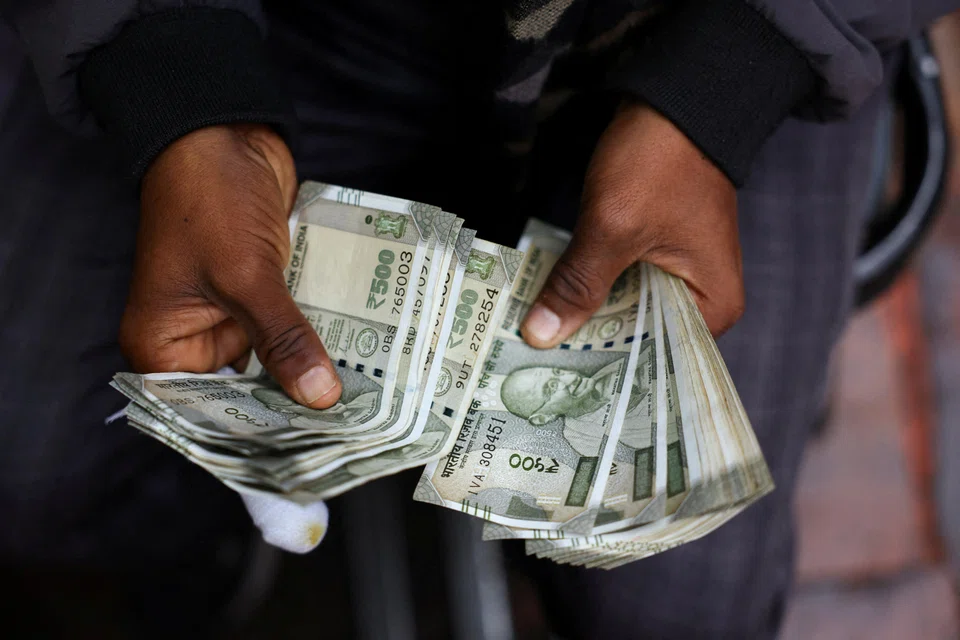
[MUMBAI] A record cash surplus in India’s banking system is driving away borrowers.
The nation’s unsecured overnight money market, where banks borrow and lend funds for just one day, saw no orders in the first 90 minutes of trading for two consecutive days through Friday (Sep 4).
There was little need for lenders to rush to the market as they are flush with liquidity following a larger-than-expected US$127 billion of inflow under a central bank capital-raising programme. It’s a rare occurrence in a key funding market that provides signals on short-term interest rates.
Typically a lot of transactions happen in the first hour as lenders borrow funds to meet regulatory requirements and cover short-term cash shortages. Volumes have plunged too, with Thursday’s closing trades at a one-year low of 59 billion rupees (US$624 million), according to clearing house data.
“The delayed action in the market is simply because there are no takers for funds,” said Naveen Ramnani, chief dealer of treasury and investment, UCO Bank.
Surplus banking cash was at an all-time high of 10.5 trillion rupees as of Thursday, according to a Bloomberg Economics index.
The freeze in activity has implications for monetary policy. As traders have disappeared, the overnight funding rate has plunged to around 30 basis points below the central bank’s policy rate. This is tricky for the Reserve Bank of India as the authority is mandated to keep that rate close to its own benchmark for borrowing costs.
The wide divergence means that actual borrowing costs in the economy are far lower than where the central bank wants them to be. That’s because banks are lending out funds more cheaply as their own costs drop.
Ramnani expects the RBI to continue with short-tenure cash withdrawal operations this month before potentially selling bonds to whittle down the surplus in October.


The slowing activity in the market is reminiscent of the period during the coronavirus pandemic in 2020, when for half an hour after trading started, nobody bought or sold a bond on the Reserve Bank of India’s platform. Volumes tumbled as a lockdown forced traders to stay away from offices. BLOOMBERG
Decoding Asia newsletter: your guide to navigating Asia in a new global order. Sign up here to get Decoding Asia newsletter. Delivered to your inbox. Free.
Share with us your feedback on BT's products and services