



India’s real-time payments system expands its reach to the world
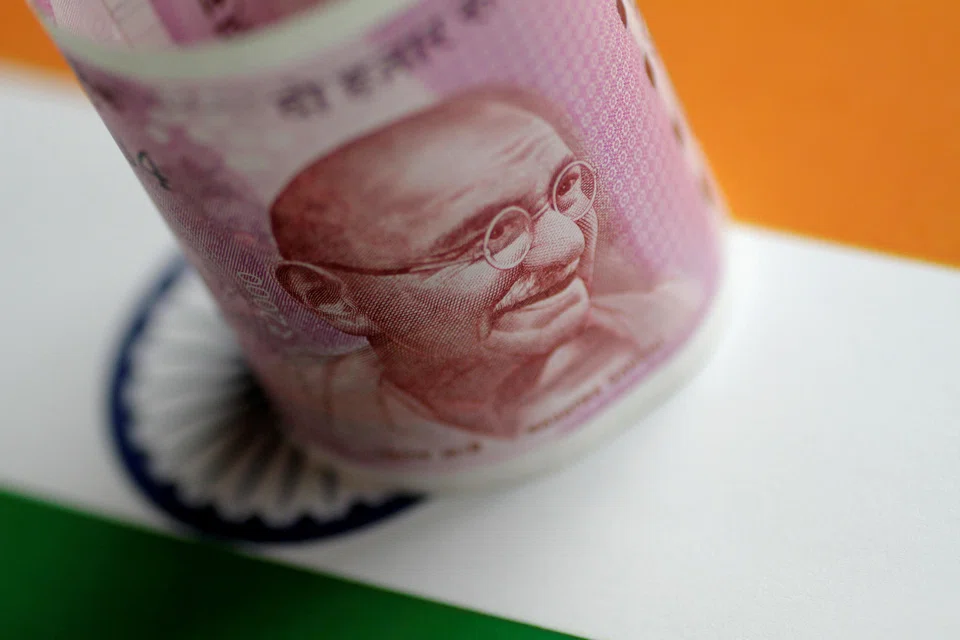
[NEW DELHI] INDIA’S Unified Payments Interface (UPI) – an instant real-time payments system that allows users to transfer money across multiple banks without disclosing bank account details – has in recent weeks expanded its reach to ease cross-border payments between the world’s fifth largest economy and over a dozen foreign countries.
According to a report by the Centre of Economics and Business Research, India accounted for 40 per cent of global real-time payments in 2021. It’s estimated that, by 2026, UPI payments will help to inject an extra US$45.6 billion – or 1.12 per cent of India’s GDP – into the economy.
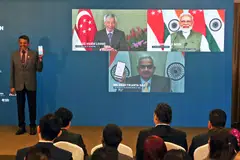
Last month, the Indian and Singaporean governments announced a tie-up between UPI and Singapore’s PayNow facility. According to latest data, cross-border retail payments between the two countries currently amount to more than US$1 billion a year.
And at a Group of 20 meeting held in India in February, it was announced that tourists from G20 nations can make use of UPI while in India to make payments using their local bank accounts. India is the current president of the G20 bloc.
Here’s a closer look at the two programmes and what industry leaders and analysts have to say.
Boon for migrant workers, students in Singapore
With the tie-up between UPI and PayNow, an Indian user can remit up to 60,000 Indian rupees (S$986.50) a day. For Singapore users, the service is available through DBS and Liquid Group – a non-bank financial institution. RBI said that more banks will join the linkage over time.
The State Bank of India, Indian Overseas Bank, Indian Bank and ICICI Bank will facilitate both inward and outward remittances, with Axis Bank and DBS India handling inward remittances only.
Satheesh Kishnamurthy, the executive vice-president at Axis Bank, said: “This will improve cross-border linkages between the two countries and serve as a model to expand to other international geographies.
He added that the cost of conversion has not been finalised yet, with the charges for this model still under evaluation.



“The focus is on creating an economical proposition for all parties, especially customers,” he said.
Chandra Mohan Grover, the managing director and chief of IBSFINtech India, a treasury and risk mitigation firm, said the UPI-PayNow link will enable Indian workers in Singapore to enjoy cost savings of up to 10 per cent when they send money home.
One hurdle that needs to be overcome, however, is the fact that a 20 per cent tax is due to be implemented this July on each outward remittance from India, with the collection done at the source.
“We need clarity from the (Indian) government as to how it will work out for payments via UPI,” said Ankur Mittal, the co-founder of angel investment platform Inflection Point Ventures.
Expansion of UPI to the G-20
In February, RBI announced that UPI would be made available for foreigners from the G-20 member nations, including the US, Japan, Australia, Indonesia, Germany and France. This makes it easier for them to make payments and reduce the need to carry excessive amounts of cash.
There are plans to expand this service to more countries at some point. Currently, this service, called UPI One World, is available at selected airports in Bengaluru, Mumbai and New Delhi. Eligible travellers are issued pre-paid payment instruments wallets linked to UPI to make payments at merchant outlets.
Sudhanshu Shekhar, the co-founder and chief executive officer of Cheq, a fintech startup that recently launched the Foreign Tourist Wallet for visitors to India, said travellers can use their UPI-linked e-wallet in their smartphones and top up their accounts to make payments.
“Banks or money changers charge up to 3 per cent in foreign exchange conversion charges, on top of the forex difference. We will reduce this by half to 1-1.5 per cent,” he said.
Decoding Asia newsletter: your guide to navigating Asia in a new global order. Sign up here to get Decoding Asia newsletter. Delivered to your inbox. Free.
Share with us your feedback on BT's products and services
TRENDING NOW

Malaysian king buys stake in Singapore-listed mining firm expanding into rare earths

Grab CEO’s wife Chloe Tong on life with Anthony Tan and finding her purpose

Once staunchly pro-China, Malaysian Chinese businesses are now distancing themselves from Beijing
Longer wait times expected as S’pore healthcare institutions report system disruptions

