Indonesia assigns US$1 billion to Brics-led New Development Bank
The bloc also counts Egypt and the United Arab Emirates as members
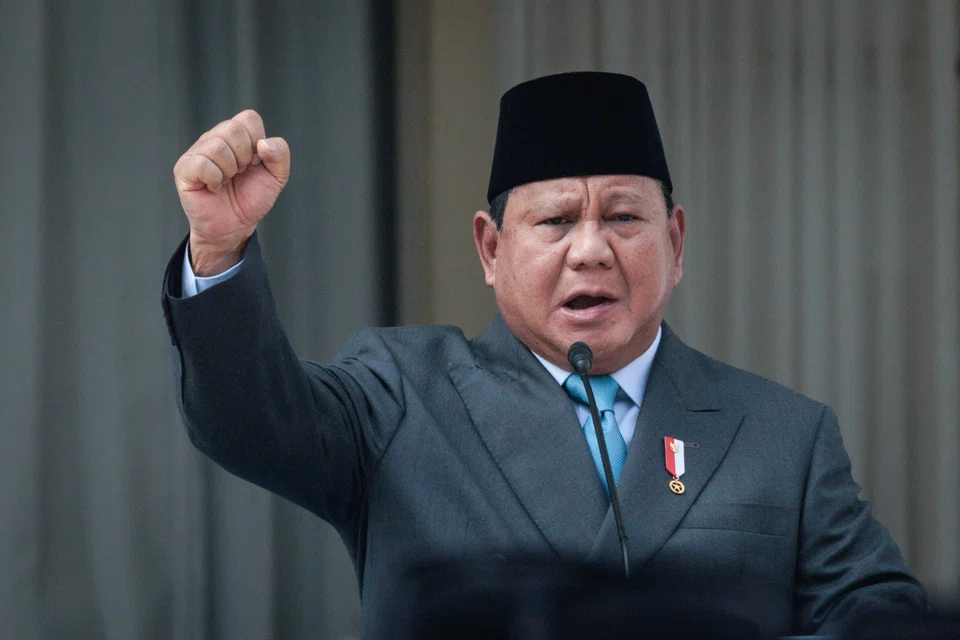
[JAKARTA] Indonesia will assign US$1 billion to the Brics-led New Development Bank, further boosting ties with the group of developing nations.
The country expects its contribution to help fund sustainable development projects, Coordinating Economic Ministry spokesperson Haryo Limanseto said in Jakarta on Tuesday (Dec 2).
South-east Asia’s largest economy formally joined the bloc earlier this year, seeking to tap alternative markets at a time when US President Donald Trump’s tariffs threatened access to the US.
Since taking office in October 2024, Indonesian President Prabowo Subianto has also sought a higher profile for his country, which maintains a non-aligned foreign policy stance.
The Brics grouping, which was founded by Brazil, Russia, India, China and South Africa, also counts Egypt and the United Arab Emirates as members.
In March, Prabowo announced Indonesia would join the New Development Bank after meeting the lender’s president, Dilma Rousseff, in Jakarta.


The Brics’s founding members account for 94 per cent of subscribed shares in the New Development Bank, while Algeria, Bangladesh, Egypt and the UAE account for the remainder, according to the bank’s website.
The founders subscribed for US$50 billion of paid-in and callable capital. BLOOMBERG
Decoding Asia newsletter: your guide to navigating Asia in a new global order. Sign up here to get Decoding Asia newsletter. Delivered to your inbox. Free.
Share with us your feedback on BT's products and services