Indonesia central bank raises rates by 50 bps to head off inflation risks
INDONESIA’S central bank increased interest rates by more than expected on Thursday (Sep 22) as it sought to rein in inflation after the government raised subsidised fuel prices earlier this month, while also supporting the rupiah currency.
Bank Indonesia (BI) raised the 7-day reverse repurchase rate by 50 basis points to 4.25 per cent. Out of 30 economists polled by Reuters, 27 had expected a 25 basis point move, while the remaining 3 had bet on the larger 50 basis point rate hike.
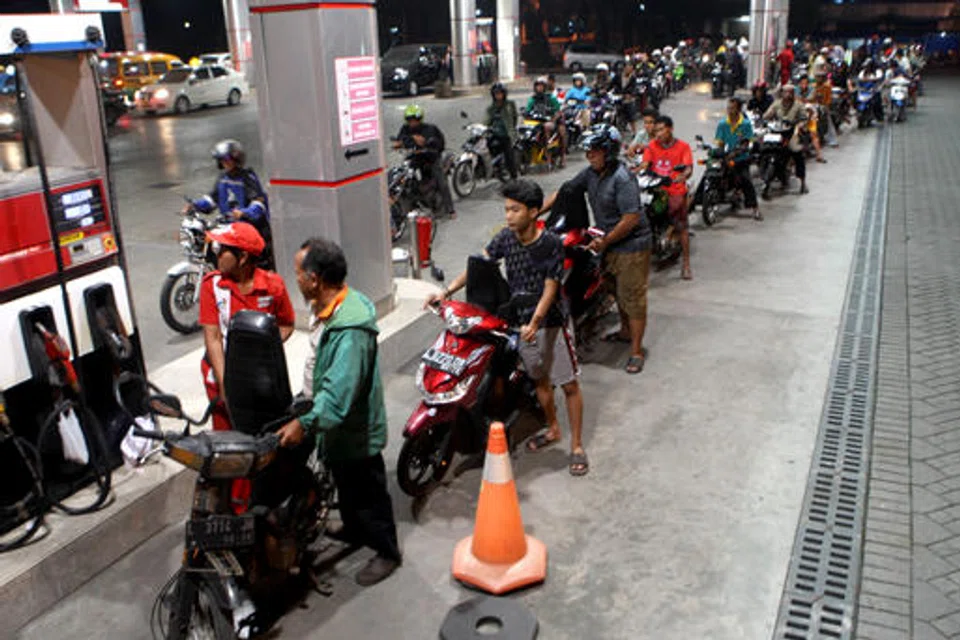
The rate decision comes after the government raised fuel prices by about 30 per cent earlier this month, a move that BI governor Perry Warjiyo said would push headline inflation to peak at slightly above 6 per cent and core inflation at 4.6 per cent by year-end, before easing.
“The decision to raise interest rates was a front loaded, pre-emptive and forward-looking measure to lower inflation expectations and ensure core inflation returns back to within its target range ... by the second half of 2023,” Warjiyo told a virtual news conference.
The rate hike should also guide the rupiah exchange rate back to reflect its fundamental value, he said, adding that the currency should be strengthening due to Indonesia’s strong exports.
The rupiah, along with other Asian currencies, was under pressure on Thursday after the Federal Reserve raised US rates by 75 basis points.
The Indonesian central bank began its rate hiking cycle last month, its first since 2018, amid rising price pressures. The annual inflation rate was 4.69 per cent in August, and Warjiyo said it would accelerate to 5.89 per cent this month due to the immediate impact from the fuel price hike.
“Our inflation is relatively under control compared with other countries and of course the need to increase interest rates aggressively is unnecessary in Indonesia,” Warjiyo said.
BI’s target range for inflation is 2-4 per cent for 2022 and 2023.


“Bank Indonesia dialled up the scale of rate hikes to anchor inflationary expectations after the fuel subsidy hike as well as to support financial markets as a hawkish Fed weighs on the regional currency pack, including the rupiah,” said Radhika Rao, a senior economist at DBS Bank in Singapore.
Meanwhile, Capital Economics said after the rate hike and given the “relatively hawkish language” by BI, it was adjusting its forecasts for the year and now expects the benchmark rate to hit 5.0 per cent by year end rather than 4.5 per cent seen previously.
BI maintained its view that South-east Asia’s largest economy is continuing to recover from the impact of the Covid-19 pandemic, and that 2022 gross domestic product growth will be biased towards the upper end of its 4.5 per cent to 5.3 per cent forecast range.
Indonesia’s economy grew 5.44 per cent year-on-year in the second quarter, more than expected, boosted by exports and private consumption after the easing of Covid-19 curbs. REUTERS
Decoding Asia newsletter: your guide to navigating Asia in a new global order. Sign up here to get Decoding Asia newsletter. Delivered to your inbox. Free.
Share with us your feedback on BT's products and services