

Indonesia sovereign wealth fund INA to trim exposure to infrastructure
Indonesia Investment Authority CIO says it will diversify to real estate

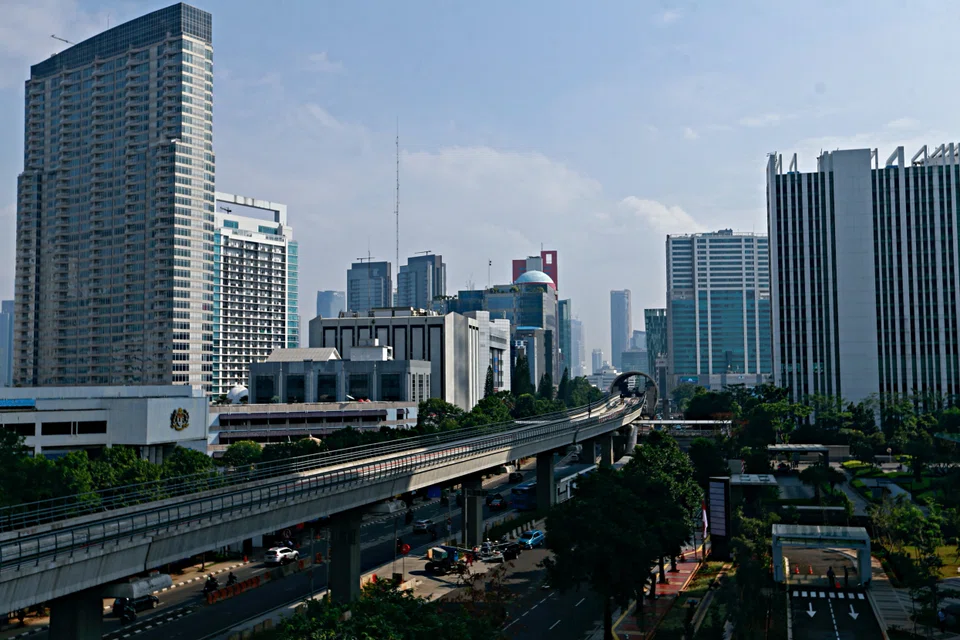
[SINGAPORE] Indonesia Investment Authority, one of the country’s two sovereign wealth funds, is looking to reduce its heavy reliance on infrastructure and diversify to real estate in the medium term.
The agency, known also as INA, is seeking to complement its long-term investments in infrastructure with assets requiring shorter holding periods, Christopher Ganis, chief investment officer, told The Business Times in a recent interview.
“While infrastructure remains the foundation (of INA’s portfolio), we are increasingly complementing it with asset classes that offer contractual returns, shorter tenors and higher-yield characteristics. This includes investments in real estate, hybrid capital solutions and selected fund strategies that provide greater flexibility in capital deployment,” he said.

As at the end of 2024, infrastructure dominates INA’s portfolio by a wide margin. Its annual report shows the asset class accounted for 77 per cent of the US$3.4 billion in total accumulated investment value by INA and its co-investors. The next biggest asset class was private equity, at 11 per cent.
Real estate, on the other hand, accounted for 3 per cent.
Launched in 2021 with US$5 billion in capital from the government and a dual mandate to generate returns and foster sustainable growth, INA initially focused on direct equity investments to bring in foreign co-investors.
Currently with 163.4 trillion rupiah (S$12.8 billion) in assets under management, INA has since added hybrid capital and private credit to help Indonesian companies expand overseas and draw technical expertise and capital into the country.
While INA is Indonesia’s first sovereign wealth fund, it has become the smaller of two, following the launch in February of Daya Anagata Nusantara Investment Management Agency (Danantara) – a broader fund seeded with US$20 billion in state assets.
Infrastructure vs real estate
Ganis, who led US-based BlackRock’s private credit investments in South-east Asia before joining INA in 2024, said the diversification into real estate isn’t to shift away from long-term investing.
The fund is seeking to strengthen its platform’s ability to deploy capital consistently, manage liquidity and “support Indonesia’s economic transformation across market cycles”. He did not specify by how much INA is planning to raise its exposure to real estate.
Infrastructure is viewed as a longer-term investment, as it could entail the building of large-scale projects such as ports and toll roads. Investors are typically drawn to private infrastructure investments as they have been able to provide relatively high, predictable and stable returns at a global aggregate level.
MSCI data provided to BT shows the 12-month total returns from infrastructure investments in the world ranged from -0.6 per cent to 18 per cent between the first quarter of 2009 and the first quarter of 2025. The trough was hit in the third quarter of 2009.
In contrast, the metric for global real estate investments ranged from -17.7 per cent to 17.9 per cent during the same period. Notably, the asset class reported negative returns in 12 quarters, compared with two quarters for infrastructure.
A feature that will stay constant is the dominance of private assets, which account for about two-thirds of INA’s investment portfolio, said Ganis. Publicly listed assets comprise the remainder.
This is because INA focuses on providing flexible funding to growth-stage companies, he added.
“Despite an active banking sector, regulatory and balance sheet limits leave many fundamentally strong companies underserved, opening opportunities for hybrid capital to complement local banks.”
He noted that the pledge by Indonesia’s Finance Minister Purbaya Yudhi Sadewa – who was appointed in early September – to channel up to 200 trillion rupiah to state-controlled banks to spur lending aligns well with INA’s role in this area.






