

Indonesia unveils 439t rupiah bond scheme
Central bank purchasing government bonds in 2021, 2022 to provide cheaper financing for Covid-19 relief measures
Jakarta
INDONESIA'S central bank will purchase government bonds worth up to 439 trillion rupiah (S$41.4 billion) in 2021 and 2022 to provide cheaper financing for the government's Covid-19 relief measures, senior officials said.
The fiscal deficit financing scheme is similar to an agreement Bank Indonesia (BI) had with the finance ministry last year to fund ballooning healthcare and welfare bills amid the pandemic, which authorities said was a one-off measure.
Investors and economists have raised concerns about the scheme's effects on inflation and the rupiah.
In a call with investors on Monday, BI governor Perry Warjiyo cited a rise in infections since June, driven by the Delta variant, as the main reason for the agreement under which BI will purchase up to 215 trillion rupiah worth of tradeable bonds in 2021 and 224 trillion rupiah in 2022.
The bonds will carry a floating interest rate equal to BI's three-month reverse repo rate - currently at 3.06 per cent, but the central bank will return to the government interest payments for bonds worth 58 trillion rupiah in 2021 and 40 trillion rupiah in 2022.
''I cannot imagine buying vaccine, (paying for) medical expense, by issuing government bonds in the market with the cost of now about 6.3 per cent. I cannot comprehend it,'' Mr Warjiyo said, referring to the current yield of the benchmark 10-year bond.
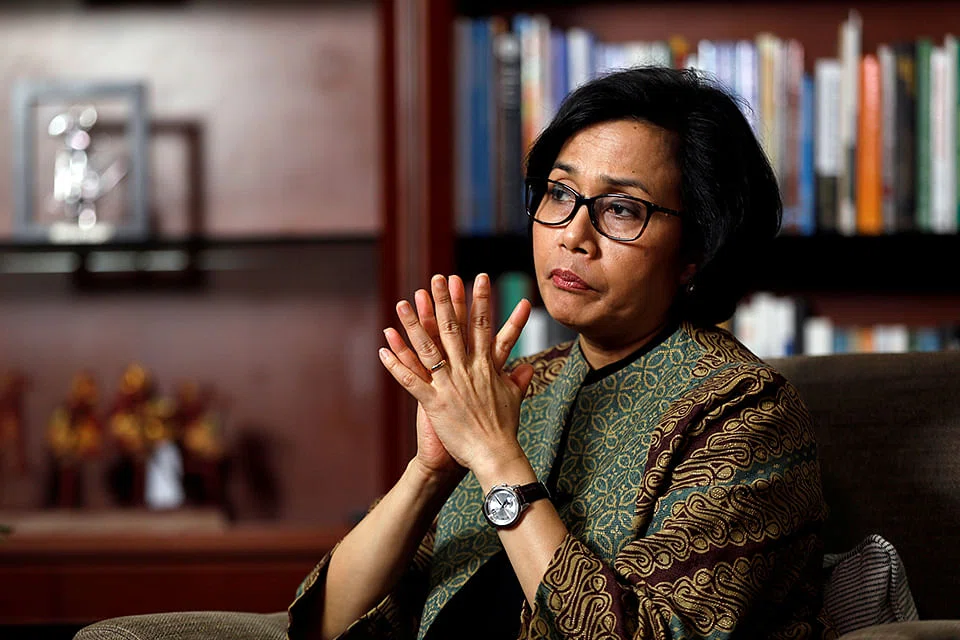
Mr Warjiyo and Finance Minister Sri Mulyani Indrawati stressed that the agreement will not compromise BI's independence.
BI would continue its plan to reduce liquidity in the banking system next year, said Mr Warjiyo, who also argued that the bank's quantitative easing measures would be more effective by cooperating with fiscal authorities.
At a press briefing on Tuesday, the governor said the central bank was mindful of the agreement's impact on inflation, but he does not expect price pressures to heat up before 2023.
He also reiterated that BI's earliest consideration for a rate hike would be at the end of 2022.
Ms Sri Mulyani said the agreement would bring down the government's interest expense to roughly 2.2 per cent of GDP in 2021, from an estimated 2.4 per cent. She said that ratio will be maintained over the next several years, providing greater fiscal headroom for other spending.
''The bond purchases by BI could also limit the potential rise in (Indonesia's) bond yields amid a potential Fed tapering next year,'' said Josua Pardede, an economist with Bank Permata. ''So I think this will be well accepted by investors.''
Since the start of the pandemic, BI has cut its benchmark rate by a cumulative 150 basis points to a record low of 3.50 per cent and injected more than US$57 billion of liquidity into the financial system. REUTERS
Decoding Asia newsletter: your guide to navigating Asia in a new global order. Sign up here to get Decoding Asia newsletter. Delivered to your inbox. Free.
Share with us your feedback on BT's products and services
TRENDING NOW

Chairman’s role in spotlight with raft of proposed new rules for Singapore boards

Director of PR firm sacked for secretly recording internal meeting loses wrongful dismissal claim

Indonesia stocks suffer worst plunge in nearly 30 years as MSCI proposes standalone status

If Europe goes to war, the fallout will be felt in East Asia

