

Inflation acceleration in Germany keeps euro zone bonds on edge
 Add BT as a preferred source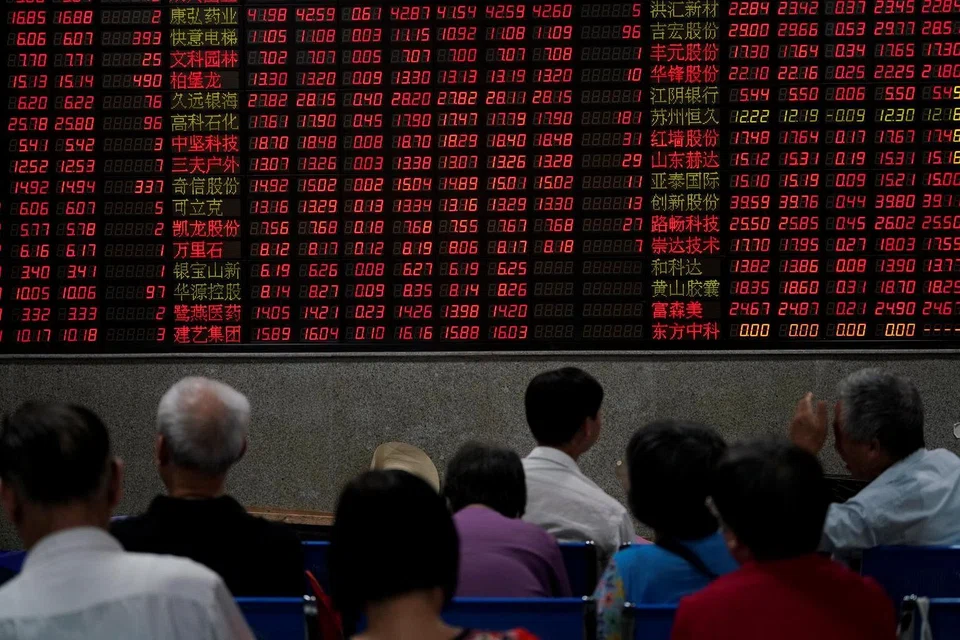
[LONDON] Sovereign bond markets across the euro area looked set on Thursday to end September with the biggest jump in borrowing costs in months as investors brace for higher inflation and a more hawkish response from the world's major central banks.
And with the data on Thursday showing that inflation in Germany - Europe's biggest economy - accelerated at a record pace in September, bond yields edged back up to roughly three-month highs hit earlier this week.
Signs that inflation could prove stickier than anticipated, combined with a hawkish shift at the US Federal Reserve and the Bank of England, have put markets on alert that central banks could wind back post-Covid stimulus measures sooner rather than later.
In Germany, the euro zone's benchmark bond issuer, 10-year bond yields were up two basis points (bps) at -0.19 per cent. They have risen 18 bps this month - the biggest monthly jump since February.
French and Dutch 10-year bond yields have also risen about 18 bps each this month in their biggest monthly rises since April.
"Every move we have seen since last week has been led by changing monetary policy expectations," said Althea Spinozzi, senior fixed income strategist, Saxo Bank.
"It is becoming clearer that central banks will need to implement tighter monetary policies earlier and at a faster pace than markets had been pricing for before, especially in the US."
Similar moves have been seen across major bond markets as investors brace for tighter monetary policy. British debt has been the big underperformer, with 10-year gilt yields up almost 40 bps in September.
Fresh signs that high inflation in the euro area could last longer than policymakers had anticipated kept the focus on inflation, preventing a recovery in debt markets for now.
French inflation hit a near 10-year high of 2.7 per cent in September, official data showed, though slightly below forecast.
German consumer prices, harmonised to make them comparable with inflation data from other European Union countries, rose by 4.1 per cent year-on-year compared with 3.4 per cent in August.
That was the highest rate recorded since January 1997, when the EU-harmonised series began.
"Germany's inflation acceleration continues and will put more pressure on the European Central Bank's December debate on how to proceed with its asset purchases next year," ING analysts said in a report.
REUTERS
Decoding Asia newsletter: your guide to navigating Asia in a new global order. Sign up here to get Decoding Asia newsletter. Delivered to your inbox. Free.
Share with us your feedback on BT's products and services
TRENDING NOW
DBS, OCBC and UOB shares hit all-time highs as sentiment improves

Targeted credit relief: Vietnam steers funding to Vingroup, Sun Group, Masterise megaprojects

E-commerce job cuts signal S-E Asia’s shift from scaling to deeper user engagement

Employers want AI-fluent employees. Hiring them is the challenge

