

Inflation puts rate hike on table in Australia during election
 Add BT as a preferred source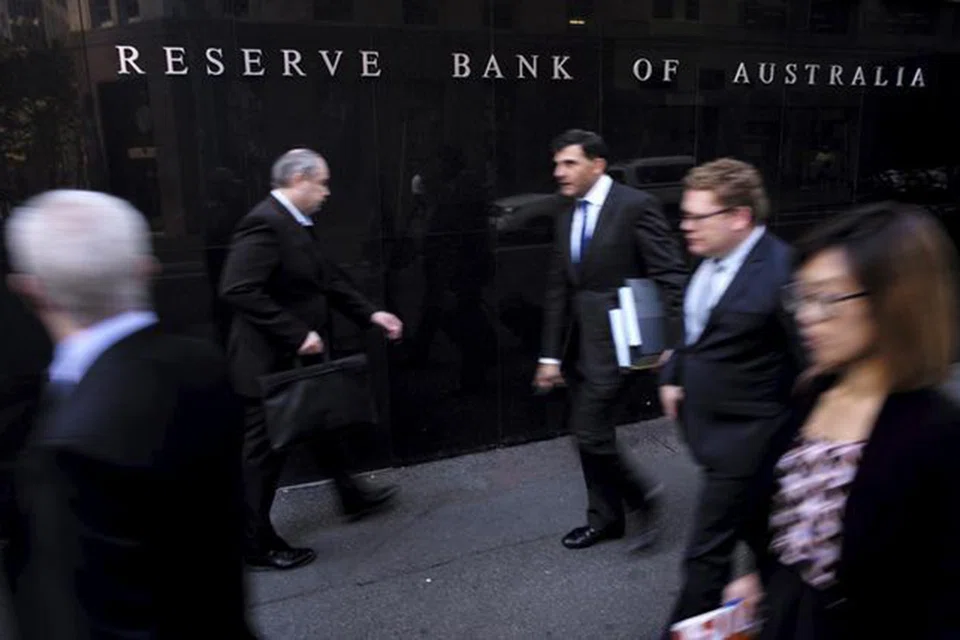
DeeperDive is a beta AI feature. Refer to full articles for the facts.
AUSTRALIA'S core inflation is expected to breach the upper end of the Reserve bank's 2-3 per cent target for the first time since 2010, intensifying pressure on policymakers to raise interest rates during an election campaign.
The annual trimmed mean gauge, a key measure of core inflation, is forecast to reach 3.4 per cent in the first 3 months, a survey of economists showed ahead of data Wednesday (Apr 27). Headline prices are seen soaring to 4.6 per cent as Russia's war on Ukraine exacerbates high energy costs, overshadowing a stronger currency.
While Australia's central bank is independent, policymakers are traditionally loath to raise rates during an election campaign to avoid alienating one side of politics. But a spike in core inflation against the backdrop of an escalating global tightening cycle may be enough to prompt the board to discount the political risks.
Royal Bank of Canada's Su-Lin Ong reckons that a campaign hike could actually result in a political evening out, under a scenario where the Labor opposition defeats the ruling Liberal-National coalition in the May 21 ballot.
"You would have one hike under the Liberals and one hike under Labor - if you believe the polls - which could, oddly, temper the political angle," said Ong, head of Australian economic and fixed-income strategy at RBC. Her central case is still for rate liftoff in June.
Most economists expect the RBA will stand pat next week and then hike by 15 basis points in June, taking the cash rate to 0.25 per cent. Markets see a more aggressive board lifting by 40 basis points in June.
Navigate Asia in
a new global order
Get the insights delivered to your inbox.
The RBA meets on May 3, a day before the Federal Reserve begins its deliberations on what markets expect will be a half-point US hike. That comes after New Zealand and Canada earlier this month raised rates by a half-point and South Korea hiked even without a governor in place, underlining increased international concern that inflation pressures could become entrenched.
Governor Philip Lowe says the RBA is closely monitoring inflation psychology after ditching his dovish stance, acknowledging that households' perception of inflation is now central.
In minutes of its April meeting, the central bank said faster inflation had "brought forward the likely timing of the first increase in interest rates" and signalled tomorrow's inflation report and wages data in May would be key.
The RBA releases updated economic forecasts on May 6 and a sharper inflation trajectory would also make it harder to stand pat.
One other point is that the RBA hasn't raised rates since late 2010 and for households that took out a mortgage in the intervening years, this will be their first experience of a hike. Lowe and his colleagues have little to work with in terms of how borrowers will respond. BLOOMBERG
Share with us your feedback on BT's products and services
TRENDING NOW

Shelving S$5 billion office redevelopment plan proved ‘wise’ as geopolitical risks mount: OCBC chairman
Why where you park your joint venture matters: Lessons from a US$689 million shareholder dispute

China pips the US if Asean is forced to choose, but analysts warn against reading it like a sports result
Singaporeans can now buy record amount of yen per Singdollar

