ING misses Q1 profit estimates as Russia provisions hit earnings
 Add BT as a preferred source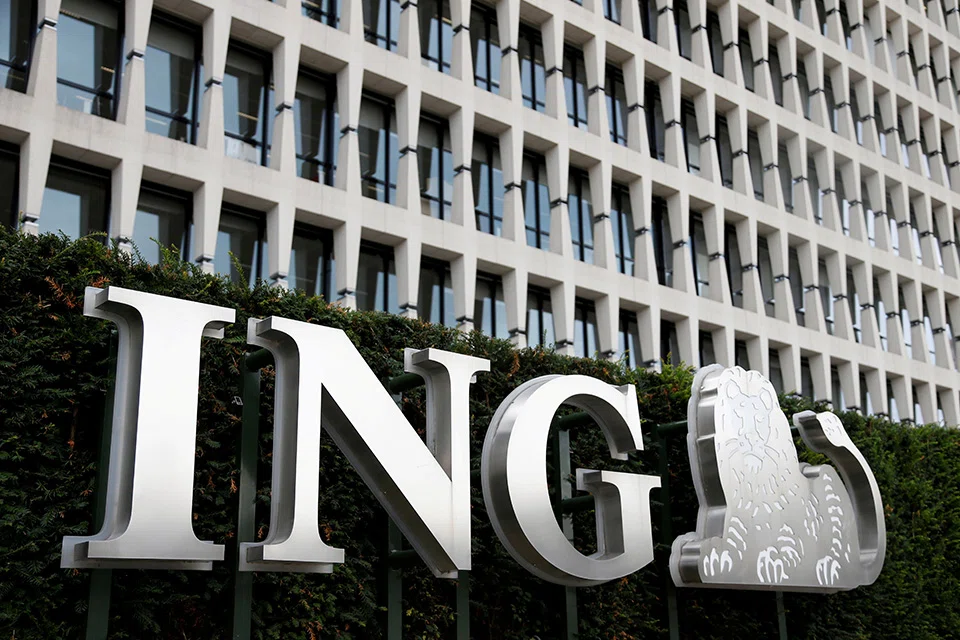
DeeperDive is a beta AI feature. Refer to full articles for the facts.
ING Groep, the largest Dutch bank, reported on Friday a worse-than-expected quarterly net income of €429 million ($625.7 million), including a surge in provisions for bad loans due to its exposure in Russia and Ukraine.
Analysts had forecast first-quarter net income at €679 million, according to Refinitiv data, while ING reported a net income of 1.01 billion euros in the year-ago period.
“Net additions to loan loss provisions were €987 million,” the company said. “The geopolitical situation, with the Russian invasion of Ukraine, had a significant impact on the risk costs in this quarter, with €834 million of risk costs associated with our Russia-related exposure.”
In March, ING had disclosed that it had around €700 million in loans affected by sanctions on Russian entities and individuals.
In addition, the company had said it had €5.3 billion in loans to Russian borrowers, representing about 0.9 per cent of its total group loan book.
In an update on Friday, the company said it had earmarked €2.5 billion in capital in all “to cover for expected and unexpected losses on our Russia-related exposure.”
Navigate Asia in
a new global order
Get the insights delivered to your inbox.
“This consists of the aforementioned €0.8 billion of loan loss provisions and €1.7 billion of (capital put aside) on €13.3 billion of total credit risk weighted assets on Russia-related exposure.”
Outside the Russian impact, the company’s results were lacklustre, with income down 2.2 per cent at €4.6 billion, mostly due to less money from the European Central Bank’s long-term lending programme, where ING borrows at a negative rate.
The company’s loan book grew slightly, as retail lending grew €5.6 billion, mostly for mortgages in Germany, Australia and Spain, while wholesale lending declined €5.2 billion.

Fees and commissions increased 9.3 per cent to €933 million. REUTERS
Decoding Asia newsletter: your guide to navigating Asia in a new global order. Sign up here to get Decoding Asia newsletter. Delivered to your inbox. Free.
Share with us your feedback on BT's products and services