Israeli exporters on edge with central bank dollar plan in doubt
 Add BT as a preferred source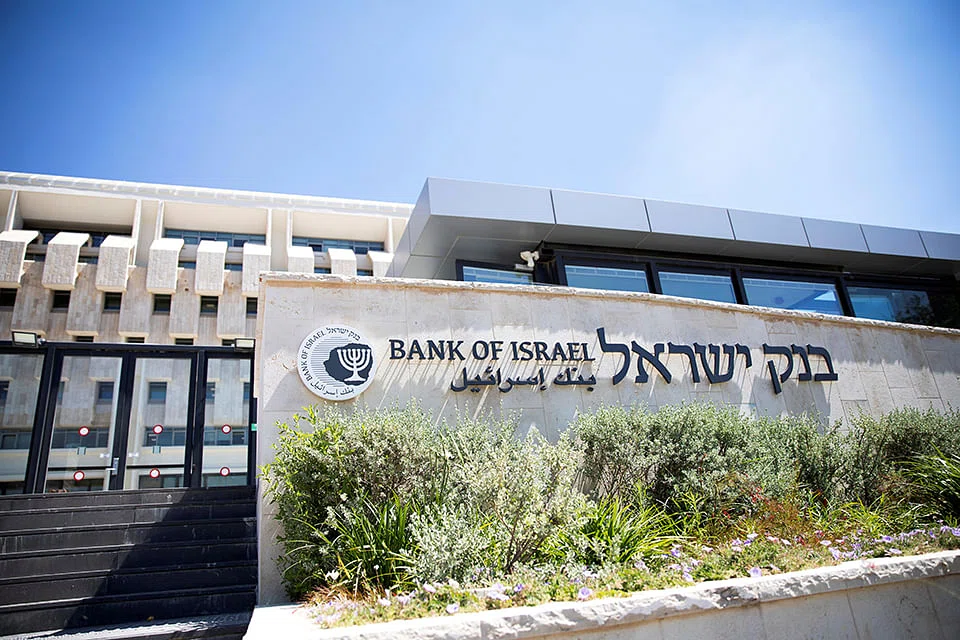
DeeperDive is a beta AI feature. Refer to full articles for the facts.
Yafo
ISRAEL'S biggest exporters are bracing for the end of central bank support that has helped them stay competitive during the pandemic, a move they say may weigh on a US$100 billiion industry crucial to the nation's economic rebound.
The Bank of Israel is close to exhausting a US$30 billion dollar-buying programme that has reined in gains in the shekel and made exports cheaper to foreign buyers while the nation battled Covid-19. With the economy on the mend, and governor Amir Yaron signalling on July 5 that the programme was a temporary salve, companies from Teva Pharmaceutical Industries to Israel Aerospace Industries are on edge.
"We're living with uncertainty," said Natanel Haiman, the head of economics at the Manufacturers' Association of Israel, a Tel Aviv-based organisation that groups more than 1,850 companies accounting for more than 90 per cent of the country's industrial base. "It's a daily battle to keep the production lines moving", partly because of the exchange rate.
The debate over the programme mirrors the dilemma facing policy- makers the world over as central banks consider how quickly to remove stimulus measures enacted as the pandemic erupted. In Israel, shekel policy provides an additional ingredient. The currency has appreciated more than any major counterpart in the past decade, eclipsing even the Swiss franc and the euro, and hobbling the exporters that account for more than a quarter of the US$400 billion economy.
Take Tel Aviv-based Healthy.io, a seven-year-old company that adapts smartphone cameras for kidney-disease detection at home. Founder and chief executive officer Yonatan Adiri says more than 20 per cent of the cash that his company raised over the past five years has effectively been lost because of the shekel's appreciation. Now he is considering moving operations to the US.
Navigate Asia in
a new global order
Get the insights delivered to your inbox.
"You raise money in dollars and you spend most of it in shekels, especially in the early years," he said. "It's now as cost-effective for me to build a team in Boston or London as it is in Tel Aviv."
Israel's gross domestic product is forecast to grow 4.8 per cent this year, after shrinking 2.5 per cent in 2020 - its sharpest downturn on record - as the country benefits from one of the world's fastest vaccine roll-out programmes. Unemployment has dropped, inflation is in the middle of the central bank's target range and the country's current account surplus has risen to US$5.85 billion.
It's that backdrop that provides the Bank of Israel with room to pare back the dollar-buying, economists say.
The programme is "a stimulus policy that is relevant for crisis times, but we're not in a crisis now," said Modi Shafrir, chief strategist in the finance division of Mizrahi Tefahot Bank in Ramat Gan, Israel. The central bank "will be less aggressive" in the second half of this year, he said.
The Bank of Israel has already bought more than US$25 billion out of the US$30 billion target set for 2021. Governor Amir Yaron said at the bank's July 5 policy meeting that the programme has been "a special plan for a special situation". The next meeting is on Aug 23.
Uri Barazani, a spokesman for the central bank in Jerusalem, said recently that the current policy remains unchanged. He declined to comment further.
The shekel has strengthened in five of the past six years versus the dollar, rising to a 24-year high at the end of 2020.
It has depreciated 0.5 per cent in 2021, trading at 3.2364 per dollar as of the end of Thursday.
The central bank has bought about US$135 billion since first adopting dollar-buying under former governor Stanley Fischer 13 years ago. That has lifted foreign reserves to almost US$200 billion, compared with about US$30 billion when the plan began. BLOOMBERG
Decoding Asia newsletter: your guide to navigating Asia in a new global order. Sign up here to get Decoding Asia newsletter. Delivered to your inbox. Free.
Share with us your feedback on BT's products and services