

Japan firms to join the world of online shareholder meetings
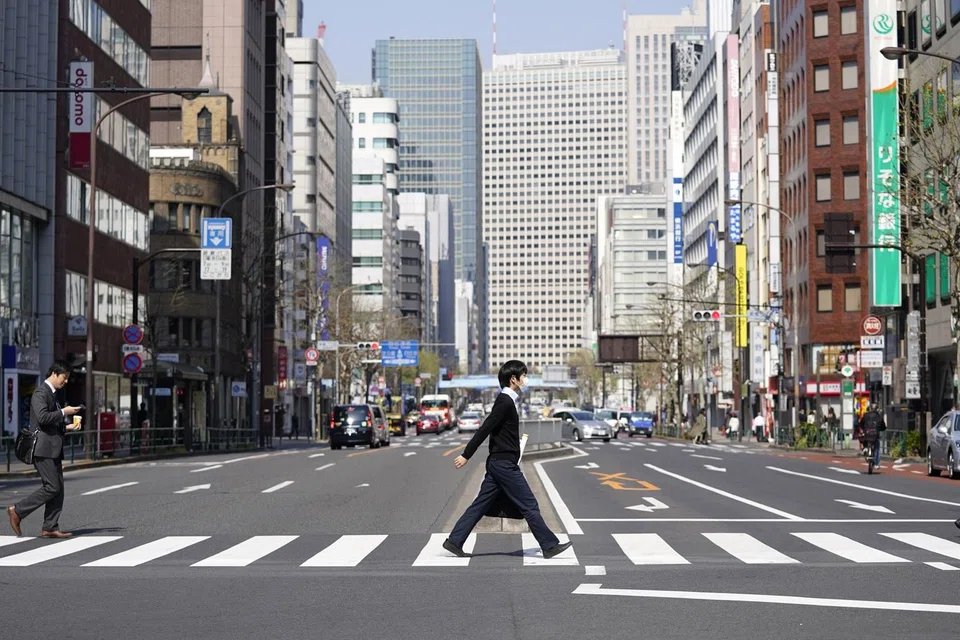
[TOKYO] Japanese companies are about to join the global trend of holding shareholder meetings online to prevent the spread of the coronavirus, according to Mizuho Financial Group Inc.
The group's trust banking arm has started offering virtual annual general meeting (AGM) services ahead of this season's gatherings in June, and is seeing strong interest from clients, said Kei Umeda, the unit's new chief executive officer.
The move would put Japanese firms in the company of the likes of Amazon.com and Starbucks, which are scrapping in-person gatherings with investors this year because of the pandemic. While Japanese law still requires companies to hold AGMs physically for board members, the government last week allowed them to conduct the meetings without any shareholders present.
"There are many individual shareholders, and many are elderly," said Mr Umeda, who became chief executive officer of Mizuho Trust & Banking on April 1. "It's becoming impossible to have all of them in one place" due to the need for social distancing, he said in an interview.
Even before the outbreak, the authorities were encouraging companies to let shareholders participate remotely to increase attendance and bolster governance. Japanese firms have long been criticized for having AGMs on the same dates, inconveniencing shareholders with stakes in multiple entities.
Mizuho Trust provides logistical support for AGMs as part of its shareholder relations business. While Mr Umeda declined to say how many companies will use the virtual AGM tool, he said the interested firms have about two million shareholders in total.
PROPERTY MARKET
Mr Umeda, who spent a large part of his career in the firm's real estate business, said he expects more Japanese companies will sell properties in coming months to raise cash or meet profit goals to cope with the economic fallout of the outbreak.
Still, he added, the property market is likely to be remain solid because financial firms are in better shape than they were during earlier crises. "The big difference from the Lehman shock or the bursting of Japan's bubble is that this time the financial system that funds real estate deals is functioning normally," he said.
Mr Umeda hasn't seen signs that overseas investors are retreating from the Japanese real estate market, he said, adding that some see an opportunity for bargain deals.
BLOOMBERG
Decoding Asia newsletter: your guide to navigating Asia in a new global order. Sign up here to get Decoding Asia newsletter. Delivered to your inbox. Free.
Share with us your feedback on BT's products and services
TRENDING NOW

Simba admits exceeding spectrum limits amid failed M1 deal; full-year profits surge 277%

Temasek’s Wan Chee Foong to helm PIL, Lars Kastrup to be board adviser

He built the Vingroup empire. Now South-east Asia’s richest man is handing some key roles to his sons
One-third of Singapore-listed firms at risk in severe AI downturn: MAS

