

Japan intervenes in FX market to stem yen falls after BOJ keeps super-low rates
 Add BT as a preferred source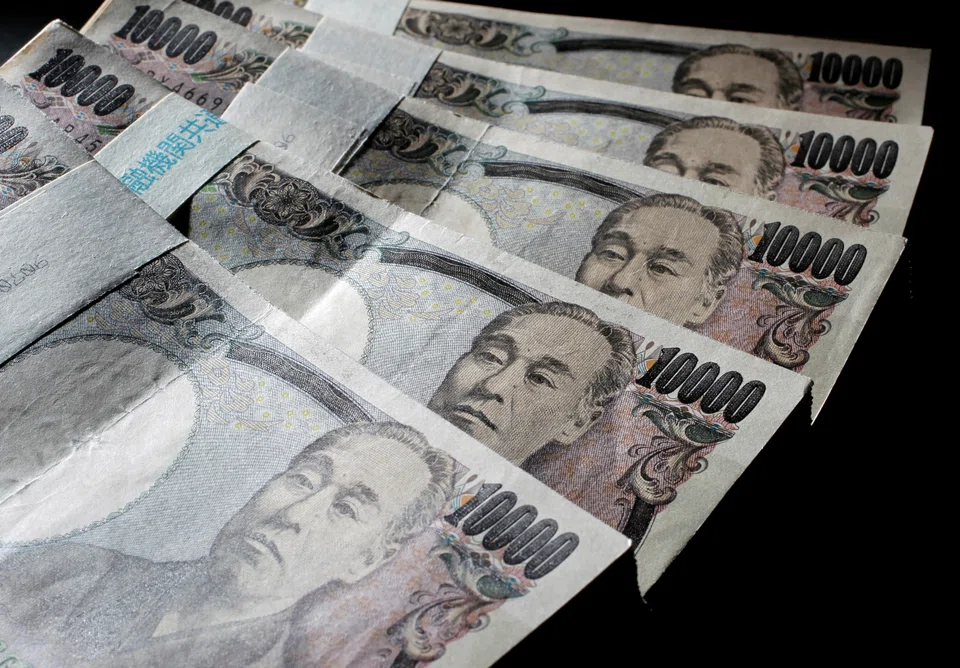
JAPAN intervened in the foreign exchange market on Thursday (Sep 22) to buy yen for the first time since 1998, in an attempt to shore up the battered currency after the Bank of Japan (BOJ) stuck with ultra-low interest rates.
The move sent the US dollar plunging over 2 per cent to around 141.15 yen, after trading more than 1 per cent higher earlier on the BOJ’s decision to stick to its super-loose policy stance, bucking a global tide of monetary tightening by central banks fighting to rein in soaring inflation.
“We have taken decisive action (in the exchange market),” vice-finance minister for international affairs Masato Kanda told reporters, responding in the affirmative when asked if that meant intervention.
Analysts, however, doubted whether the move would halt the yen’s prolonged slide for long. The currency has depreciated nearly 20 per cent this year, sinking to 24-year lows, largely as aggressive US interest rate hikes push the greenback higher.
“The market was expecting some intervention at some point, given the increasing verbal interventions we have been hearing over the past few weeks,” said Stuart Cole, head macro economist at Equiti Capital in London.
“But currency interventions are rarely successful, and I expect today’s move will only provide a temporary reprieve (for the yen).”
Confirmation of intervention came hours after the BOJ’s decision to maintain low interest rates to support the country’s fragile economic recovery.
BOJ governor Haruhiko Kuroda told reporters the central bank could hold off on hiking rates or changing its dovish policy guidance for years.
“There’s absolutely no change to our stance of maintaining easy monetary policy for the time being. We won’t be raising interest rates for some time,” Kuroda said after the policy decision.

The BOJ’s decision came after the US Federal Reserve delivered its third straight rate increase of 75 basis points on Wednesday and signalled more hikes ahead, underscoring its resolve not to let up in its battle against inflation and giving a further boost to the dollar.
With the BOJ having ruled out a near-term rate hike, currency intervention was the most powerful – and last-resort – weapon that Japan had left to arrest sharp yen falls that were pushing up import costs and threatening to hurt consumption.
“The first Japanese currency intervention in near a quarter century is a significant, but ultimately doomed step to defend the yen,” said Ben Laidler, global markets strategist at Etoro in London.
“As long as the Fed stays on the hawkish, rate-raising front foot, any yen intervention is likely to only slow, not halt, the yen slide.”
Yen-buying intervention has been very rare. The last time Japan intervened to support its currency was in 1998, when the Asian financial crisis triggered a yen sell-off and a rapid capital outflow from the region. Before that, Tokyo intervened to counter yen falls in 1991-1992.
Yen-buying intervention is also considered more difficult than yen-selling.
In an yen-selling intervention, Japan can keep printing yen to sell to the market. But for yen-buying intervention, Japan needs to tap its US$1.33 trillion of foreign reserves which, while abundant, could quickly dwindle if huge sums are required to influence rates. REUTERS
Decoding Asia newsletter: your guide to navigating Asia in a new global order. Sign up here to get Decoding Asia newsletter. Delivered to your inbox. Free.
Share with us your feedback on BT's products and services
TRENDING NOW

MedPark’s assistant CEO runs a hospital where patients, physicians precede profits

E-commerce is killing ‘real’ commerce, says China’s beverage king Zhong Shanshan

Laos-China Railway picks up steam, but S-E Asian country struggles to capture gains

NDR 2026: Singapore to create new Western island to support 'new generation of industries'

