
Japan’s stimulus package to include price relief steps
The package will also boost the size of the handouts depending on the number of children in eligible households
 Add BT as a preferred source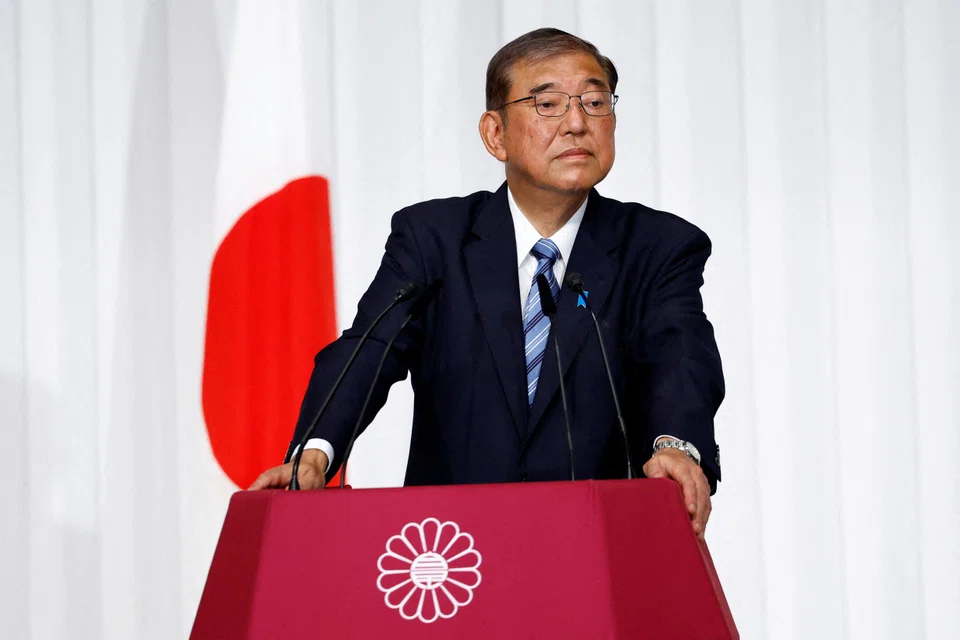
JAPAN’S new economic stimulus package will feature cash handouts to help low-income households deal with inflation and extra funding for disaster preparedness, according to public broadcaster NHK.
The package will also boost the size of the handouts depending on the number of children in eligible households, NHK reported on Monday (Nov 11), citing a draft of the plan. For disaster preparedness, the package aims to streamline the registration process for trailer houses and toilets and expedite the pace of installing air conditioning at school gymnasiums to be used as emergency shelters, the report said.
The package can be modified as it’s yet to reflect some of the key policy proposals from the Democratic Party for the People, a key opposition party courted by the ruling coalition. The DPP is trying to secure an expansion of tax allowances and a reduction in gasoline and electricity prices in its negotiation with the ruling Liberal Democratic Party and its partner Komeito.
Prime Minister Shigeru Ishiba, who was reappointed by parliament on Monday, ordered the drawing up of the stimulus package last month before the LDP and Komeito lost their majority in the Oct 27 election.
Public discontent with the government’s handling of the strongest inflation in decades was a major reason behind the election setback. The measures detailed in the report so far are largely in line with expectations.
Ishiba has said an extra budget to fund the package will exceed last year’s US$85 billion.
Navigate Asia in
a new global order
Get the insights delivered to your inbox.
Other local media reports have suggested the government aims to include a new framework for providing funding for Japan’s semiconductor sector. The government is planning to issue bonds backed by assets it holds, including NTT shares, to provide subsidies to semiconductor companies, the Nikkei newspaper reported on Nov 1.
The new mechanism would enable the government to more stably support companies like Rapidus over multiple years until around 2030, the report said. Rapidus aims to mass produce advanced logic chips by 2027.
Japan has so far earmarked about 4 trillion yen (S$34.6 billion) in previous extra budgets to revive its chip sector, including 920 billion yen for Rapidus.
Supplementary budgets aimed at propping up the economy and rallying public support are an almost annual occurrence in Japan despite the extra burden they place on the nation’s large debt load.
Japan’s debt load reached 255 per cent of its gross domestic product in 2024, according to the International Monetary Fund. Japan’s annual debt servicing already accounts for around a quarter of the regular annual budget, with those costs set to rise as interest rates go up. BLOOMBERG
Decoding Asia newsletter: your guide to navigating Asia in a new global order. Sign up here to get Decoding Asia newsletter. Delivered to your inbox. Free.
Share with us your feedback on BT's products and services

