JPMorgan Chase chief Jamie Dimon predicts a boom for US economy
 Add BT as a preferred source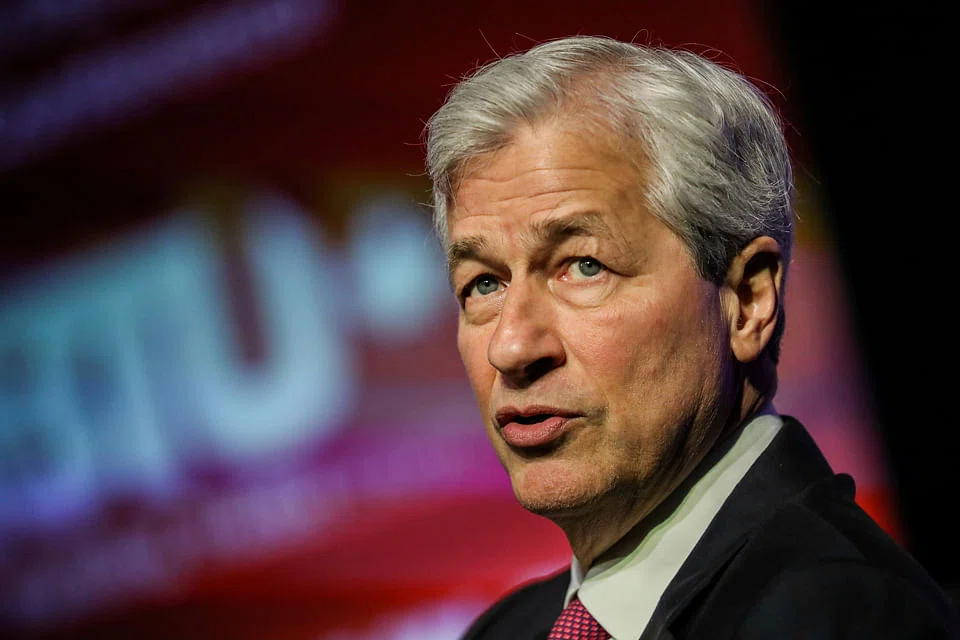
DeeperDive is a beta AI feature. Refer to full articles for the facts.
New York
THE annual letter to shareholders by JPMorgan Chase CEO Jamie Dimon was published early on Wednesday. The letter, which is widely read on Wall Street, is not just an overview of the bank's business but also covers Mr Dimon's thoughts on everything from leadership lessons to public policy prescriptions.
A combination of excess savings, deficit spending, vaccinations and "euphoria around the end of the pandemic", Mr Dimon wrote, may create a boom that "could easily run into 2023".
That could justify high stock valuations, but not the price of US debt, given the "huge supply" soon to hit the market. There is a chance that a rise in inflation will be "more than temporary", he wrote, forcing the Federal Reserve to raise interest rates aggressively. "Rapidly raising rates to offset an overheating economy is a typical cause of a recession," he wrote, but he hopes for "the Goldilocks scenario" of fast growth, gently increasing inflation and a measured rise in interest rates.
Mr Dimon cited competition from an already large shadow banking system and fintech companies, as well as "Amazon, Apple, Facebook, Google and now Walmart".
He argued that those non-bank competitors should be more strictly regulated; their growth has "partially been made possible" by avoiding banking rules, he wrote.
Navigate Asia in
a new global order
Get the insights delivered to your inbox.
And when it comes to tougher regulation of big banks, he wrote, "the cost to the economy of having fail-safe banks may not be worth it".
The United States has faced tough times before, but today, "the Chinese see an America that is losing ground in technology, infrastructure and education - a nation torn and crippled by politics, as well as racial and income inequality - and a country unable to coordinate government policies (fiscal, monetary, industrial, regulatory) in any coherent way to accomplish national goals," he wrote. "Unfortunately, recently, there is a lot of truth to this."
Addressing climate change doesn't mean "abandoning" companies that produce and use fossil fuels, Mr Dimon wrote, but working with them to reduce their environmental impact. He sees "huge opportunity in sustainable and low-carbon technologies and businesses" and plans to evaluate clients' progress according to reductions in carbon intensity - emissions per unit of output - which adjusts for factors such as size.
Other notable news (and views) from the letter:
- With more widespread remote working, JPMorgan may need only 60 seats for every 100 employees. "This will significantly reduce our need for real estate," Mr Dimon wrote.
- JPMorgan spends more than US$600 million a year on cybersecurity.
- Mr Dimon cited tax loopholes that he thought the United States could do without: carried interest; tax breaks for racing cars, private jets and horse racing; and a land-conservation tax break for golf courses.
This was Mr Dimon's longest letter yet, at 35,000 words and 66 pages. The steadily expanding letters - aside from a shorter edition last year, weeks after Mr Dimon had emergency heart surgery - could be seen as a reflection of the range of issues that top executives are now expected, or compelled, to address. NYTIMES
Decoding Asia newsletter: your guide to navigating Asia in a new global order. Sign up here to get Decoding Asia newsletter. Delivered to your inbox. Free.
Share with us your feedback on BT's products and services